Pilates for Spinal Health: How Core Strengthening and Body Control Can Transform Your Back
This post contains affiliate links. As an Amazon Associate, I earn from qualifying purchases at no extra cost to you.
Free resources — no credit card required for trial
🎧 Listen to health & wellness audiobooks free for 30 days
Start 30-Day Free Trial →
📚 Read unlimited health books free for 30 days
Try Kindle Unlimited Free →
Your spine does an extraordinary amount of work every single day — holding you upright, letting you bend and twist, and protecting the nervous system that runs your entire body. So it’s no surprise that when something feels off in your back, it can affect almost every aspect of your life. Whether you’re dealing with nagging lower back tension, stiffness from too many hours at a desk, or longer-term spinal discomfort, you might be searching for a smarter, gentler way to feel better. That’s exactly where Pilates for spinal health comes in — a science-backed, body-intelligent practice that’s helping everyday people move with less pain and more confidence.
Why Your Spine Deserves More Attention Than You’re Giving It
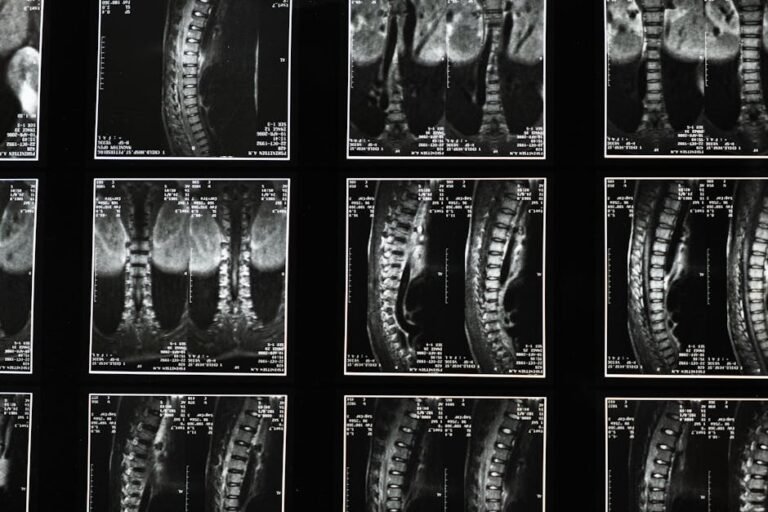
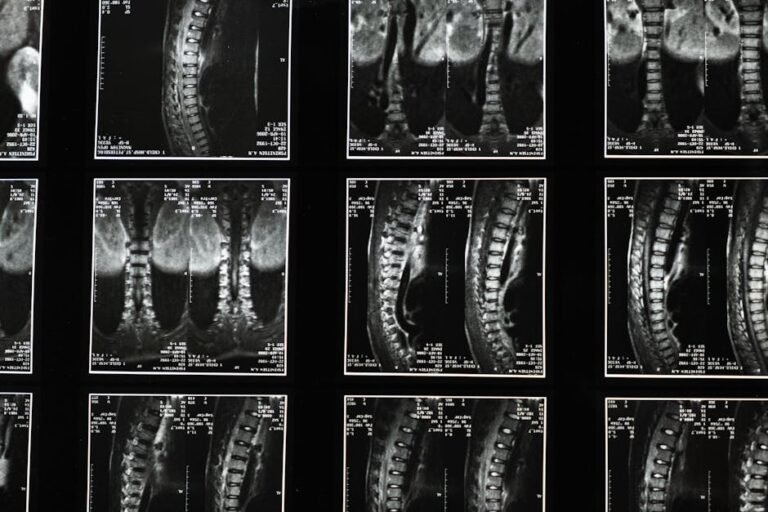
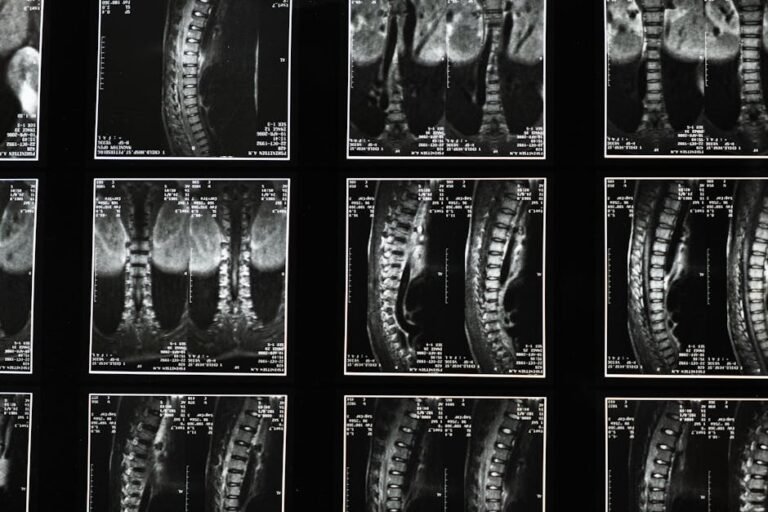
It’s easy to take your spine for granted — until it starts complaining. Think of your spinal column as your body’s central pillar, a genuinely remarkable piece of engineering that has evolved over thousands of years. It’s built to be strong enough to hold you upright against gravity, yet flexible enough to allow a huge range of movements, from reaching up to tying your shoes. On top of all that, it houses and protects your spinal cord — the vital communication link between your brain and every other part of your body.
Modern life, however, doesn’t always treat our spines kindly. Long hours hunched over computers and smartphones, sitting in the car, lifting bags without thinking — these habits add up. Over time, they can contribute to poor posture, muscle imbalances, and the kind of chronic discomfort that makes even simple daily tasks feel like a challenge. The good news? These patterns can be changed, and your spine has a remarkable ability to respond positively when you start giving it the right kind of support.
Understanding your spine is the first step toward caring for it better. When this complex system isn’t functioning optimally, it doesn’t just show up as back pain — it can affect your posture, your mobility, your energy levels, and your overall quality of life. That’s why taking a proactive, intelligent approach to spinal health is one of the most valuable investments you can make in your wellbeing.
What Makes Pilates So Effective for Spinal Health?
Pilates was developed by Joseph Pilates in the early 20th century, originally as a rehabilitation and conditioning method. From the very beginning, it was designed with the spine in mind. At its core — quite literally — Pilates focuses on strengthening the deep stabilising muscles of the abdomen, back, and pelvis. Together, these muscles form a kind of internal corset around your spine, providing the support it needs to function well and stay protected during movement.
But Pilates for spinal health goes far beyond just building core strength. What makes it especially powerful is its holistic, integrated approach. Every movement in Pilates is performed with precision and control, rather than speed or brute force. This trains your muscles to work more efficiently and intelligently. You’re not just getting stronger — you’re learning how to move better. Breathing is also central to the practice; coordinated breathing techniques help activate your deep core muscles, improve circulation, and calm your nervous system, which is particularly valuable if tension or stress contributes to your back discomfort.
Flexibility and joint mobility are equally important components. Stiffness in your hips, hamstrings, or upper back doesn’t stay contained to those areas — it creates a knock-on effect that puts extra strain on your spinal column. Pilates addresses this by both strengthening and lengthening muscles simultaneously, creating that all-important balance between stability and mobility. Research consistently shows that Pilates can reduce symptoms of chronic low back pain, improve functional ability, and enhance quality of life — making it a genuinely effective complement to conventional spinal rehabilitation and care.
The Brain-Body Connection: How Pilates Rewires Your Movement Patterns
Here’s something that often surprises people: the benefits of Pilates for spinal health aren’t purely muscular. Your brain plays an enormous role in how your spine functions, and mindful movement practices like Pilates can actually create positive changes within your nervous system. This process is known as neuroplasticity — your brain’s remarkable ability to reorganise itself by forming new neural connections, essentially learning and adapting through experience.
When you consistently practise the precise, controlled movements that Pilates requires, you’re essentially teaching your brain new, more efficient ways to coordinate your muscles. This improves what’s called proprioceptive acuity — your body’s built-in “sixth sense” that tells you where your limbs are in space without needing to look. For your spine, better proprioception means improved feedback to your brain about its position, which leads to more accurate muscle responses and better postural control throughout the day.
Why does this matter in real life? Think about all the varied demands your spine faces — standing still, walking on uneven surfaces, reacting quickly to avoid a trip, or simply sitting at a desk for hours. Optimal spinal function requires sophisticated coordination between multiple muscle groups working together in harmony. By enhancing these neurological adaptations, Pilates helps your brain and body communicate more effectively, resulting in more stable movement patterns, better balance, and a spine that’s genuinely better equipped to handle daily life.
Core Strengthening and Body Control: The Two Pillars of Spinal Resilience
If you’ve ever heard a physiotherapist or personal trainer talk about “core strength,” you might have pictured six-pack abs. But in the context of Pilates and spinal health, the core is something much deeper and more functional. It includes the transverse abdominis (a deep abdominal muscle that wraps around your torso like a corset), the pelvic floor, the multifidus muscles along your spine, and the diaphragm. Together, these muscles create a stable, dynamic foundation for every movement your body makes.
When your deep core is strong and well-coordinated, your spine has the internal support it needs to move freely and safely. Without that support, the larger, more superficial muscles often overcompensate, leading to tension, fatigue, and eventually pain. Core strengthening through Pilates builds this deep foundational support gradually and intelligently — not by doing hundreds of sit-ups, but through slow, precise movements that teach the right muscles to switch on at the right time.
Body control is the other half of the equation. Pilates teaches you to become genuinely aware of how you’re moving — where your shoulders are sitting, whether your pelvis is tilted, how you’re distributing your weight. This heightened body awareness, developed through consistent practice, becomes a kind of superpower in everyday life. You start to notice and correct the small habits — the slouch at your desk, the way you reach into the car — that might otherwise chip away at your spinal health over months and years. Together, core strength and body control create a spine that isn’t just stronger, but smarter.
Practical Tips: How to Start Using Pilates for Spinal Health
Ready to give Pilates a try? Starting out doesn’t have to be complicated or intimidating. Here are some practical, straightforward tips to help you begin your Pilates journey in a way that’s safe, effective, and genuinely enjoyable.
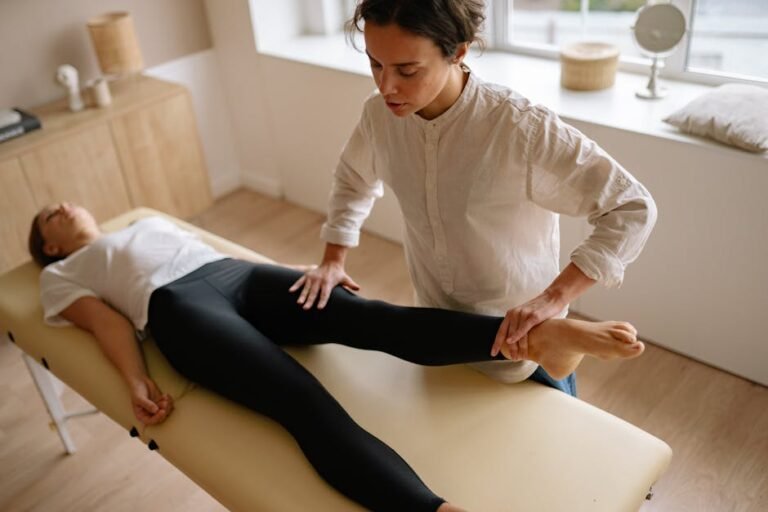
- Find a qualified instructor: This is probably the most important step, especially if you have any existing spinal issues. Look for a certified Pilates instructor with experience working with people who have back pain or spinal concerns. They can adapt exercises to suit your specific needs and make sure your form is on point from the start.
- Be open about your health history: Don’t hold back when talking to your instructor about any pain, discomfort, or medical conditions. This information is essential for them to guide you safely and effectively.
- Start slow and honour your body: Pilates is not about pushing through pain or competing with anyone else in the room. It’s about gradual, progressive improvement. Start at a pace that feels comfortable and build from there.
- Prioritise form over repetitions: In Pilates, how you do a movement is far more important than how many times you do it. Concentrate on precise execution and engaging the correct muscles — that’s where the real benefit lies.
- Be consistent, even in small doses: The benefits of Pilates build over time with regular practice. Even two or three sessions a week can make a meaningful difference. It doesn’t need to be an all-or-nothing commitment.
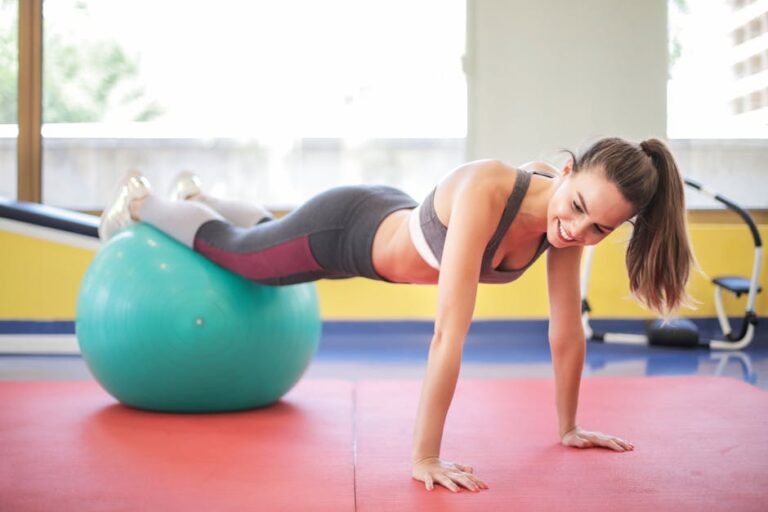
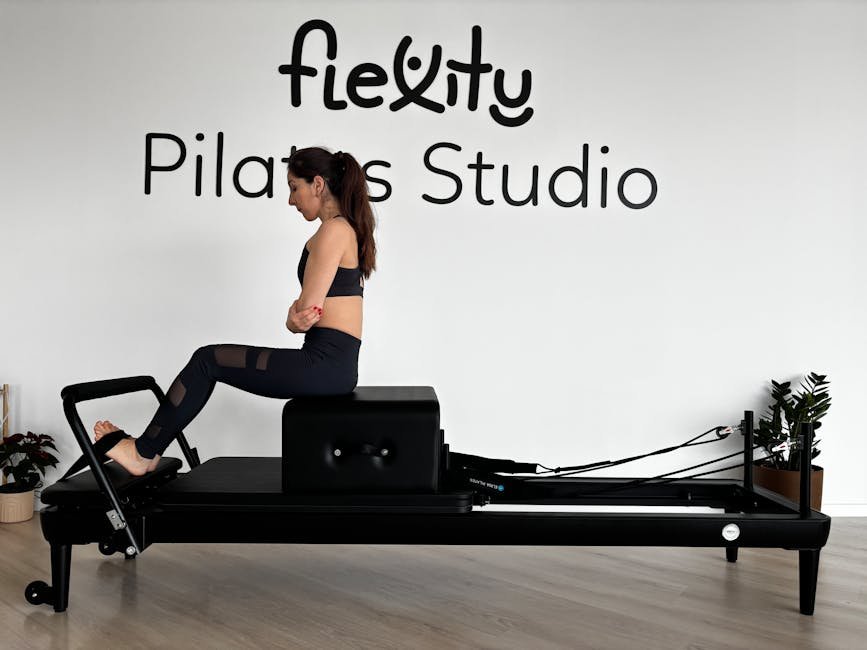
- Explore mat and equipment options: Pilates can be practised on a mat (great for beginners and home practice) or with specialised equipment like the reformer. Both have unique advantages, and your instructor can help you figure out what suits you best.
- Consider supportive tools for home practice: A quality Pilates mat, resistance bands, or a Pilates ring can help you get more from your home sessions. These are widely available on Amazon and can make a real difference to your experience.
The most important thing is simply to begin. Every session, however small, is a step toward a stronger, more resilient spine — and you’ll likely start noticing the benefits sooner than you expect.
Pilates as Part of a Broader Approach to Spinal Wellness
Pilates is a powerful tool, but it works best as part of a broader lifestyle approach to spinal health. Alongside your Pilates practice, think about the other small changes that can support your spine throughout the day. Paying attention to your sitting posture, taking regular movement breaks if you work at a desk, staying well hydrated to support spinal disc health, and getting good quality sleep on a supportive mattress all contribute to the bigger picture.
It’s also worth noting that Pilates complements other therapeutic approaches beautifully. Many people find that combining Pilates with physiotherapy, chiropractic care, or even yoga creates a particularly well-rounded strategy for managing and preventing spinal discomfort. The mindful movement skills you develop in Pilates — that deeper body awareness, the conscious engagement of your core, the controlled breathing — carry over into all these other areas, making every activity you do a little healthier for your spine.
If you’ve been living with chronic back pain or are recovering from a spinal injury, it’s especially important to work with qualified professionals who can help you build a safe and personalised programme. But for the vast majority of people, Pilates is an accessible, evidence-supported practice that can genuinely change the way your back feels — and the way you move through the world.
The Bottom Line: Pilates for spinal health is far more than a trendy fitness class — it’s an intelligent, body-aware practice grounded in both tradition and modern science. By building deep core strength, improving body control, and rewiring your brain’s movement patterns through neuroplasticity, Pilates gives your spine the support and resilience it needs to carry you through daily life with greater comfort and ease. Whether you’re managing existing back discomfort or simply want to move better and feel stronger, starting a consistent Pilates practice could be one of the most impactful decisions you make for your long-term spinal health. Your spine works hard for you every single day — it’s time to return the favour.
This is not medical advice. Consult your healthcare provider before starting any new health routine or using any product mentioned here.