The Evolution of Spinal Therapeutic Exercise: A Smarter Way to Heal Your Back
This post contains affiliate links. As an Amazon Associate, I earn from qualifying purchases at no extra cost to you.
Free resources — no credit card required for trial
🎧 Listen to health & wellness audiobooks free for 30 days
Start 30-Day Free Trial →
📚 Read unlimited health books free for 30 days
Try Kindle Unlimited Free →
Your spine is one of the hardest-working structures in your entire body — and one of the most underappreciated. It quietly holds you upright, keeps you flexible, and protects your nervous system every single day. But the moment something goes wrong, whether it’s a nagging lower back ache, a stiff neck, or that sharp twinge when you bend over, your entire quality of life can feel like it shifts overnight. The good news? The way we understand and treat spinal problems has undergone a remarkable transformation. Spinal therapeutic exercise has evolved far beyond the old “do some crunches and strengthen your back” advice into a sophisticated, whole-body approach that can genuinely change how you feel and move. Let’s explore what that evolution looks like — and how it can benefit you.
Understanding What Your Spine Actually Does
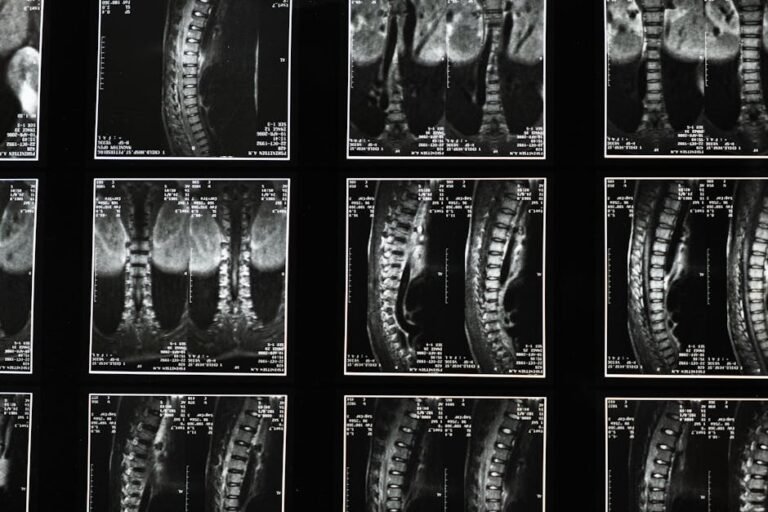
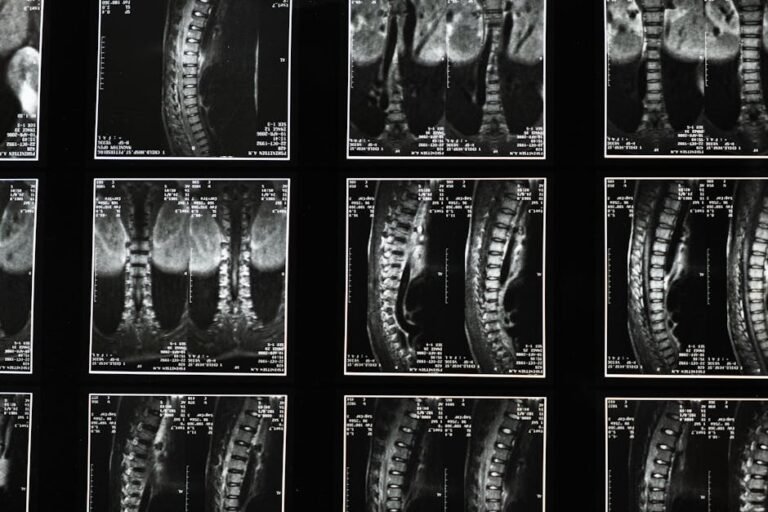
Before we dive into how therapeutic exercise helps, it’s worth taking a moment to appreciate what your spine is actually doing for you. Picture it as the central pillar of your body — an extraordinary piece of biological engineering that performs several demanding jobs at once. It bears the weight of your upper body, keeps you upright against gravity, gives you the flexibility to twist and bend, and forms a protective tunnel around your spinal cord, which is the vital communication highway linking your brain to your entire body.
What makes the spine so fascinating — and so vulnerable — is that it must constantly balance two seemingly opposing qualities: stability and mobility. It needs to be strong and steady enough to protect your spinal cord and support good posture, while at the same time flexible enough to let you pick up a bag of shopping, look over your shoulder, or tie your shoelaces. Think of it like a tall, flexible building that needs both a solid framework and enough give to handle the stresses and demands placed on it every day.
When this balance breaks down — whether through injury, years of sitting in the same position, or muscles that simply aren’t firing correctly — pain, stiffness, and limited movement often follow. Restoring that balance is precisely what modern spinal therapeutic exercise is designed to do.
Beyond “Just Strengthen Your Core”: How Spinal Therapeutic Exercise Has Evolved
For a long time, advice for back pain was frustratingly generic. “Strengthen your core.” “Work on your posture.” “Do some stretches.” These suggestions weren’t completely off-base, but they barely scratched the surface of what a struggling spine actually needs. Today’s approach to spinal therapeutic exercise is far more sophisticated — and far more effective.
Modern thinking recognises that it’s not just about how strong your muscles are, but how they work together. Three key concepts sit at the heart of this evolution. First, there’s motor control — think of this as the brain’s ability to act as an orchestra conductor, making sure the right muscles fire at the right time, with the right amount of effort. Second, there’s stability, which isn’t simply brute strength but rather the precise, controlled firmness that protects your spine during movement. And third, there’s movement quality — the smoothness and efficiency with which you actually perform everyday actions.
Underlying all of this is a crucial distinction between two types of muscles. Your local stabilising muscles are the smaller, deeper muscles that hug close to the spine and provide fine-tuned support to individual spinal joints — think of them as the internal scaffolding. Your global mobilising muscles are the larger, more surface-level muscles that generate bigger movements like lifting, bending, and twisting. For a truly healthy spine, both groups need to work in harmony. When that teamwork falls apart — often after injury or from years of poor movement habits — the body compensates, movement becomes inefficient, and stress on the spine increases. This is exactly what spinal therapeutic exercise aims to correct.
Your Spine Doesn’t Work in Isolation: The Whole-Body Connection
Here’s one of the most important insights from modern therapeutic exercise: your spine is not a standalone structure. It’s part of what movement specialists call a “kinetic chain” — a connected network where everything influences everything else. Your spine links directly to your pelvis, hips, ribcage, and neck. When one area isn’t working well, the ripple effects can travel up and down the entire chain.
This shows up in ways you might not expect. Stiff hips, for example, can force your lower back to compensate for the missing movement, putting it under repeated strain. Weak gluteal muscles — the large muscles in your buttocks — can quietly increase the load on your lower back during everyday tasks like walking and standing. Rounded shoulders and a stiff upper back can push your neck forward into a position that creates persistent tension and pain. An unstable pelvis can undermine the entire foundation your spine rests on.
This whole-body perspective means that good spinal care looks far beyond the spot that hurts. A comprehensive approach might address hip flexibility, glute strength, and upper back movement alongside any exercises targeting the spine itself. The goal isn’t to mask the symptoms but to uncover the underlying movement patterns and muscle imbalances that contributed to the problem in the first place. By treating the whole system, the results tend to be more lasting and more meaningful.
What Modern Spinal Therapeutic Exercise Is Actually Trying to Achieve
So what are the real goals when you begin a well-designed spinal therapeutic exercise programme? The answer goes well beyond simply reducing pain, though that’s obviously important. The aim is to restore how your body moves and functions so you can get back to living your life fully and confidently.
Retraining the connection between your brain and your muscles is central to this. Therapeutic exercise helps re-educate the neural pathways that control movement — essentially recalibrating how your nervous system tells your muscles to work. Alongside this, the programme works to restore proper muscle activation patterns, so the right muscles are doing their jobs instead of others overcompensating and wearing down. Building endurance is equally important: your muscles need to be able to sustain activity throughout the day, not just during a short exercise session.
Another goal you might not have come across before is improving proprioception — your body’s built-in sense of where it is in space. This “sixth sense” is crucial for balance, coordination, and the ability to move without having to consciously think through every action. When proprioception improves, movements feel more natural, more confident, and safer. And ultimately, all of these individual gains add up to something bigger: improved functional ability, reduced risk of re-injury, and the freedom to do the things you love without being held back by pain or fear.
What You Can Do: Practical Steps for a Healthier Spine
Understanding the theory is valuable, but what you really want to know is how to put it into practice. The following steps are grounded in the modern approach to spinal therapeutic exercise and can help you take meaningful action toward better spinal health.
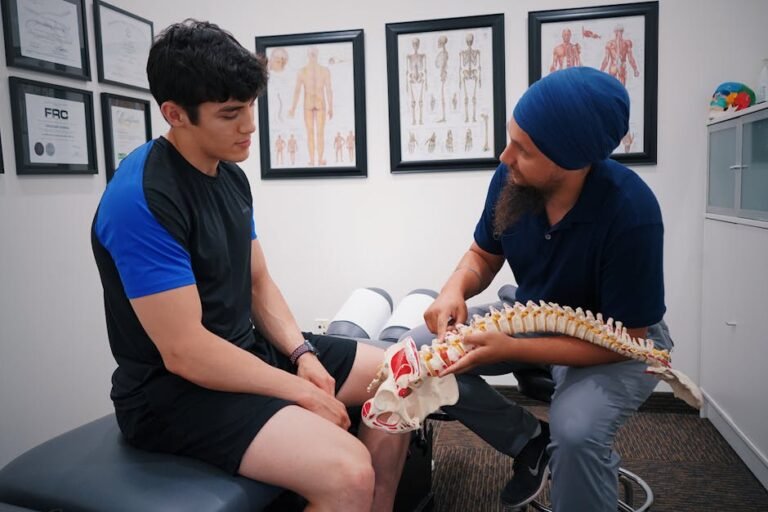
- Work with a qualified professional first. A physiotherapist, osteopath, or similarly trained specialist can assess your specific movement patterns, identify imbalances, and design a programme tailored to your needs. They can also teach you correct technique, which is essential for getting results safely.
- Learn to engage your deep core muscles. This isn’t about sucking in your stomach or tensing everything tight. It’s about a subtle, gentle activation of your deeper stabilising muscles — like the transversus abdominis and pelvic floor — that provide quiet, internal support for your spine. A professional can show you exactly how to find and use these muscles.
- Bring awareness to how you move every day. Notice whether you’re slumping at your desk, bending from your back rather than hinging at your hips, or carrying heavy bags on one side. Mindful, consistent movement throughout the day can be just as important as formal exercise.
- Balance strength with flexibility. A healthy spine needs both. Don’t just focus on one or the other. Make sure your programme includes exercises that improve mobility and range of movement as well as those that build strength and stability.
- Think beyond your back. Remember the kinetic chain. Include exercises that address hip mobility, glute strength, and thoracic (upper back) mobility. These areas have a direct influence on how your spine functions.
- Prioritise consistency over intensity. Short, regular sessions of therapeutic exercise tend to deliver better results than occasional intense workouts. Aim to make movement a steady part of your daily routine.
- Listen to your body. Pain is not progress. If an exercise causes discomfort, stop and check in with your healthcare provider. Your body’s signals matter, and working within comfortable limits protects you from setbacks.
Building better spinal health doesn’t happen overnight, but with patience and the right approach, meaningful improvement is absolutely achievable. Even small, consistent changes in how you move and exercise can accumulate into significant gains over time.
Why This Approach Gives You a Real Advantage
What makes the modern evolution of spinal therapeutic exercise so empowering is that it treats you as a whole person — not just a sore back that needs fixing. It acknowledges that your spine lives within a body full of interconnected systems, each of which influences the others. And it gives you practical, evidence-informed tools to make genuine, lasting improvements rather than temporary relief.
This approach also shifts your role from passive patient to active participant in your own recovery. When you understand why certain exercises matter, how your body is connected, and what you’re working toward, you’re far more likely to stay engaged and consistent. And consistency is what ultimately drives change. Whether you’re recovering from an injury, managing a long-term condition, or simply trying to stay active and mobile as you get older, spinal therapeutic exercise offers a genuinely effective pathway forward.
It’s also worth saying that investing in your spinal health now is one of the kindest things you can do for your future self. The spine you take care of today is the spine that keeps you active, independent, and comfortable for decades to come. With the right knowledge and the right support, there’s every reason to feel optimistic.
The Bottom Line: Spinal therapeutic exercise has come a long way from generic advice about “doing your core.” Today’s approach is smarter, more integrated, and more personalised — focusing on motor control, muscle teamwork, whole-body connections, and functional movement rather than strength alone. By working with a qualified professional, paying attention to how your body moves, and consistently applying the principles of modern therapeutic exercise, you can build a stronger, more resilient spine and reclaim the freedom to live and move the way you want to. Your spine is designed for movement — give it the support it deserves.
This is not medical advice. Consult your healthcare provider before starting any new health routine or using any product mentioned here.