How Your Spine Was Built Before Birth: Early Development and Lifelong Spinal Health
This post contains affiliate links. As an Amazon Associate, I earn from qualifying purchases at no extra cost to you.
Free resources — no credit card required for trial
🎧 Listen to health & wellness audiobooks free for 30 days
Start 30-Day Free Trial →
📚 Read unlimited health books free for 30 days
Try Kindle Unlimited Free →
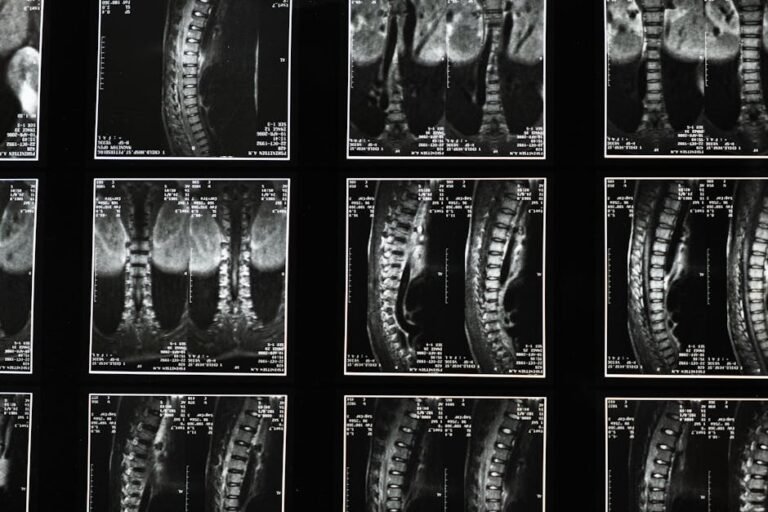
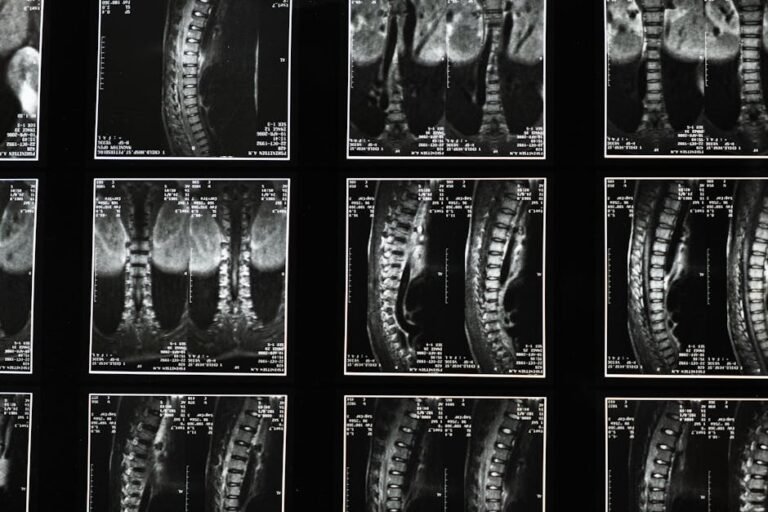
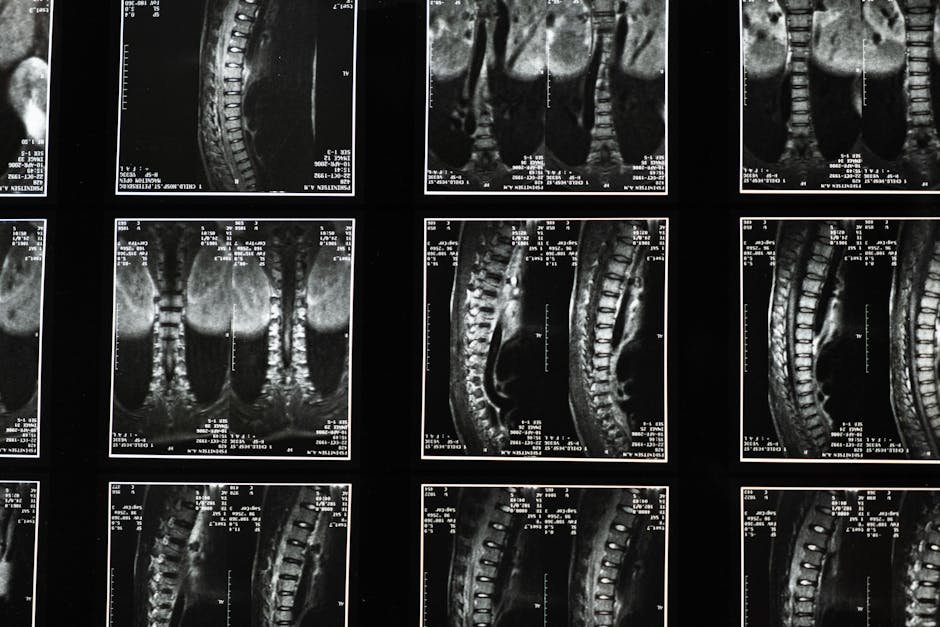
Think about everything your spine does for you in a single day. It holds you upright while you drink your morning coffee, bends when you pick up something from the floor, twists when you glance over your shoulder, and quietly shields your nervous system through every single moment. Your spine is nothing short of a biological masterpiece — and yet most of us never give it a second thought until something goes wrong. Here’s something that might genuinely surprise you: the foundations of your spinal health, including its strength, its flexibility, and even its potential weak spots, were laid down in the very earliest weeks of your life, long before you were born. Understanding early spinal development can completely change the way you think about caring for your back today.
What Your Spine Actually Does (It’s More Than You Think)
Most people think of the spine as simply a stack of bones running down the middle of the back. But that description barely scratches the surface. Your spine is a sophisticated, multi-tasking system performing at least three distinct and critical roles every moment of every day — and it does all three simultaneously, without you having to think about it.
First, it acts as your body’s central structural pillar. Without it, you couldn’t sit upright, stand tall, or bear any weight at all. It’s the resilient framework that everything else in your body hangs from. Second, it’s a dynamic movement facilitator. Its many interlocking segments work together in harmony to give you an incredible range of motion — from a simple forward bend to a complex rotational twist. It manages to be both strong and fluid at the same time, which is a remarkable engineering feat. Third, and perhaps most importantly, your spine is a protective guardian. Nestled safely inside its bony structure is your spinal cord, the vital communication highway connecting your brain to the rest of your body. Your spine shields this delicate tissue from the bumps, jolts, and impacts of daily life.
This extraordinary combination of support, movement, and protection doesn’t happen by accident. It arises from a deeply integrated relationship between specialised muscles and your nervous system — a relationship that, fascinatingly, begins to form before you even take your first breath.
The Secret Origin Story of Your Spine: Early Development in the Womb
To truly appreciate your spine, you have to travel back to the very beginning — back to the embryonic stage of life. From a single fertilised cell, an astonishing process of self-organisation begins almost immediately. Cells divide, migrate to precise locations, and transform into specialised types — some becoming bone, some becoming muscle, and others becoming nerve tissue. Scientists call this process cellular differentiation, and it is nothing short of miraculous.
Early in this developmental journey, structures called somites form in the embryo. Think of somites as the original building blocks for much of your musculoskeletal system. These tiny clusters of cells eventually give rise to your vertebrae (the individual spinal bones), the discs between them, and the muscles of your back. It’s like watching the framing of a house go up — these early structures create the architecture that everything else will build upon.
At the same time, your nervous system is developing alongside your muscles, and crucially, the two systems are wiring themselves together. The connections between nerves and muscles — called neuromuscular junctions — are being established during this period. This co-development means that by the time you’re born, your spinal muscles and nerves aren’t just present; they’re already intimately linked and ready to work together. This early partnership is what makes coordinated movement possible from the very first moments of life outside the womb.
This early developmental stage also establishes something called proprioceptive feedback — your body’s remarkable “sixth sense.” Proprioception is your unconscious awareness of where your body parts are in space, even without looking at them. It’s what lets you walk in the dark without falling, catch yourself when you stumble, and perform complex physical tasks without consciously thinking about every tiny adjustment. This sense is built into your spine’s foundations from the very beginning of life.
Why Early Spinal Development Has Lifelong Consequences
Understanding how the spine forms during early development isn’t just fascinating biology — it has real, practical implications for your health across your entire lifespan. Think of it like the foundation of a house. If the foundation is laid well, the structure above it will be sturdy and resilient. If there are disruptions during that foundational phase, the effects can ripple upward in ways that may not become apparent until much later.
During these critical early stages, any disruption to the normal developmental sequence — whether from genetic factors, environmental influences, or other variables — can affect the spine’s lifelong functional capabilities. In some cases, these disruptions lead to conditions that are visible at birth, such as certain structural abnormalities of the vertebrae. In other cases, the effects are far more subtle: a slight difference in how back muscles are arranged, a minor variation in how nerves are connected, or a small asymmetry in spinal architecture. These subtle differences may not cause obvious problems in childhood, but they can influence how the spine performs and how resilient it is to stress and strain over decades.
This developmental perspective also helps explain something many people wonder about: why do some people seem naturally prone to back problems even when they have healthy habits, while others seem to sail through life with no spinal issues despite not being particularly careful? The answer, at least in part, may lie in those very early formative stages. It doesn’t mean back problems are inevitable for anyone — far from it — but it does highlight why individualised care and self-awareness matter so much when it comes to spinal health.
Understanding the developmental blueprint also gives healthcare professionals valuable insight into why certain muscular patterns emerge the way they do, how the brain and spinal cord integrate with the rest of the body’s movement system, and why specific spinal conditions tend to present in predictable ways. In short, the more we understand about how the spine was built, the better equipped we are to support it throughout life.
What You Can Do: Practical Tips for Supporting Your Spine Every Day
While the early development of your spine happened long before you had any say in the matter, your ongoing spinal health is something you can actively and meaningfully influence right now. The good news is that your spine is remarkably adaptable. With the right habits and a little mindfulness, you can support the incredible system that was built for you — and help it serve you well for decades to come.
- Embrace regular, varied movement. Your spine is designed for movement, not for sitting still for hours on end. Walking, swimming, yoga, Pilates, and gentle stretching all encourage a healthy range of motion and keep the muscles and discs of your spine nourished and supple. Variety matters — mixing up your activities engages different muscle groups and prevents overuse patterns.
- Strengthen your core muscles. The muscles of your abdomen, pelvis, and back form a natural support system — often described as a corset — around your spine. Building strength in these muscles helps maintain spinal stability, improves posture, and reduces the load on your vertebrae and discs during daily activities.
- Be intentional about your posture. How you sit, stand, and lift objects has a real cumulative effect on your spine. Aim for neutral spinal alignment, where your ears, shoulders, and hips are roughly stacked in a straight line. Investing in ergonomic seating, adjusting your desk setup, or simply becoming more aware of how you hold your body can make a significant difference over time.
- Stay hydrated. The intervertebral discs — the shock-absorbing cushions between your vertebrae — are largely made of water. They lose fluid throughout the day and rehydrate when you rest and drink enough water. Staying consistently hydrated helps keep these discs healthy and functioning as the natural shock absorbers they were designed to be.
- Eat a balanced, nutrient-rich diet. Healthy bones, muscles, and nerves all depend on the right nutritional building blocks. Calcium, vitamin D, magnesium, and adequate protein are all important for spinal health. A well-rounded diet that includes plenty of vegetables, lean proteins, and whole grains supports the structures your spine depends on.
- Listen to what your body is telling you. Discomfort and pain are your body’s way of signalling that something needs attention. Don’t push through persistent pain or ignore symptoms that are getting worse. Rest, modify your activities, and give your body a chance to recover.
- Don’t hesitate to seek professional support. If you’re experiencing ongoing back pain, stiffness, or any concerns about your spinal health, a doctor, physiotherapist, or chiropractor can offer personalised guidance. Early intervention often leads to much better outcomes than waiting until a problem becomes severe.
It’s also worth considering supportive tools that many people find helpful for everyday spinal care. Lumbar support cushions for your chair, foam rollers for muscle release, ergonomic pillows that maintain proper neck alignment during sleep, and resistance bands for core strengthening exercises are all widely available and reasonably affordable options that can complement good habits.
The Mind-Body Connection and Your Spinal Health
One aspect of spinal health that often gets overlooked is the role of stress and mental wellbeing. Your spine and nervous system are intimately connected, and chronic stress can contribute to muscle tension, altered movement patterns, and heightened pain sensitivity. Many people notice that their back pain flares during stressful periods — and this isn’t purely coincidental. The brain, spinal cord, and muscles form a continuous communication loop, and emotional and psychological states absolutely influence how that loop functions.
Incorporating stress management practices into your life — whether that’s mindfulness meditation, regular time outdoors, deep breathing exercises, or simply carving out time for activities you enjoy — can have a genuinely positive impact on your spinal health. Sleep is equally important. During sleep, your body carries out essential repair and recovery processes, including within the muscles and discs of your spine. Prioritising restful, consistent sleep is one of the most underrated things you can do for your back.
The mind-body connection also ties back to that proprioceptive system we mentioned earlier — the one established during early spinal development. Practices like yoga, tai chi, and Pilates are particularly valuable because they actively train your body’s awareness of itself in space, improving coordination, balance, and the quality of movement signals travelling along your spine. These aren’t just exercise fads; they’re evidence-informed ways of engaging the very feedback systems your spine was built with from the beginning.
A New Appreciation for Your Spine’s Incredible Journey
There’s something genuinely moving about knowing that the spine you rely on every single day began its extraordinary journey in the very first weeks of your existence, assembled with breathtaking precision from the most fundamental biological building blocks. Those early developmental stages — the formation of somites, the differentiation of cells into bone and muscle and nerve tissue, the wiring of neuromuscular connections — created the foundation on which your entire physical life is built.
This perspective invites a kind of gratitude and respect for the spine that most of us simply don’t feel when we’re going about our daily routines. It also carries a practical message: the foundation was laid for you, but the ongoing stewardship of your spinal health is in your hands. Every walk you take, every time you choose to stretch instead of slump, every glass of water you drink, every night of good sleep you prioritise — these choices are acts of care for one of the most complex and important structures in your body.
Spinal health isn’t just about avoiding pain, though that matters enormously. It’s about preserving your ability to move freely, to stand tall, to live actively, and to engage with the world around you without being held back by a structure that was, quite literally, built to support everything you do.
The Bottom Line: Your spine’s remarkable capabilities — its strength, its flexibility, its protective power — trace their origins all the way back to the earliest weeks of embryonic development, when tiny clusters of cells were quietly laying the architectural foundations of your musculoskeletal system. While that formative process happened long before you had any awareness of it, the health of your spine from this point forward is something you have real influence over. By moving regularly, strengthening your core, maintaining good posture, staying hydrated, managing stress, and listening to your body’s signals, you can actively support the incredible system that was designed — long before birth — to carry you through life. Your spine has been working hard for you since before you took your first breath. It deserves your attention and care in return.
This is not medical advice. Consult your healthcare provider before starting any new health routine or using any product mentioned here.