The Erector Spinae Muscles Explained: How the Iliocostalis, Longissimus, and Spinalis Keep You Upright
This post contains affiliate links. As an Amazon Associate, I earn from qualifying purchases at no extra cost to you.
Free resources — no credit card required for trial
🎧 Listen to health & wellness audiobooks free for 30 days
Start 30-Day Free Trial →
🛒 Recommended Products
As an Amazon Associate we earn from qualifying purchases at no extra cost to you.
Branfit Shoulder and Back Brace Posture Corrector — Breathable Posture Trainer for Upper B
$24.99
Posture Corrector for Women and Men — Comfortable Effective Brace for Shoulder and Back Pa
$22.99
Bodywellness Posture Corrector for Men and Women — Adjustable Back Straightener with Clavi
$19.99
Updated Posture Corrector — Adjustable Upper Back Brace for Clavicle Support and Neck Pain
$21.99
TRIDUCNA Shiatsu Neck Back and Shoulder Massager with Heat — Deep Tissue 3D Kneading Pillo
$49.99
📚 Read unlimited health books free for 30 days
Try Kindle Unlimited Free →
Have you ever stopped to wonder what’s actually holding you upright right now? Whether you’re sitting at your desk, standing in line at the supermarket, or reaching up to grab something from a high shelf, there’s an incredible team of muscles quietly doing the heavy lifting — literally. These are your erector spinae muscles, a trio of powerhouse muscles known as the iliocostalis, longissimus, and spinalis. Together, they form the backbone (pun absolutely intended) of your spinal health, posture, and everyday movement. You might never have heard of them, but once you understand what they do — and how to look after them — you’ll never take a pain-free back for granted again.
Meet Your Erector Spinae: The Spine’s Built-In Support System
Picture your spine as a tall, flexible tower. Without strong support on all sides, it would simply buckle under the weight of your upper body. That’s where the erector spinae group steps in. Often referred to collectively as the “sacrospinalis group,” these are the largest and most superficial muscles running deep along your back. They stretch all the way from the sacrum — that triangular bone at the very base of your spine — up to your skull, forming a continuous muscular system that acts as your body’s primary defence against gravity.
Think of them as internal scaffolding. Without them, you’d literally collapse forward. But their role goes far beyond simply keeping you upright. These muscles are the principal coordinators of your trunk’s movement. Every time you bend forward, extend backwards, twist to the side, or make a tiny postural adjustment while watching TV, your erector spinae muscles are quietly orchestrating the whole performance. Their fibres run predominantly in a vertical direction, creating powerful levers that generate force for everything from subtle shifts in balance to high-intensity athletic movements.
What makes this muscle group particularly impressive is how seamlessly it blends stability with mobility. Your spine needs to be strong enough to support heavy loads, yet flexible enough to allow a full range of motion. The erector spinae muscles manage this balancing act every second of every day — which is exactly why keeping them healthy should be a top priority for all of us.
The Triumvirate: Iliocostalis, Longissimus, and Spinalis — What Each One Does
While we often talk about the erector spinae as a single unit, it’s actually a sophisticated team of three distinct muscle columns, each with its own territory and speciality. Understanding these three players gives you a much clearer picture of just how clever your back’s architecture really is.
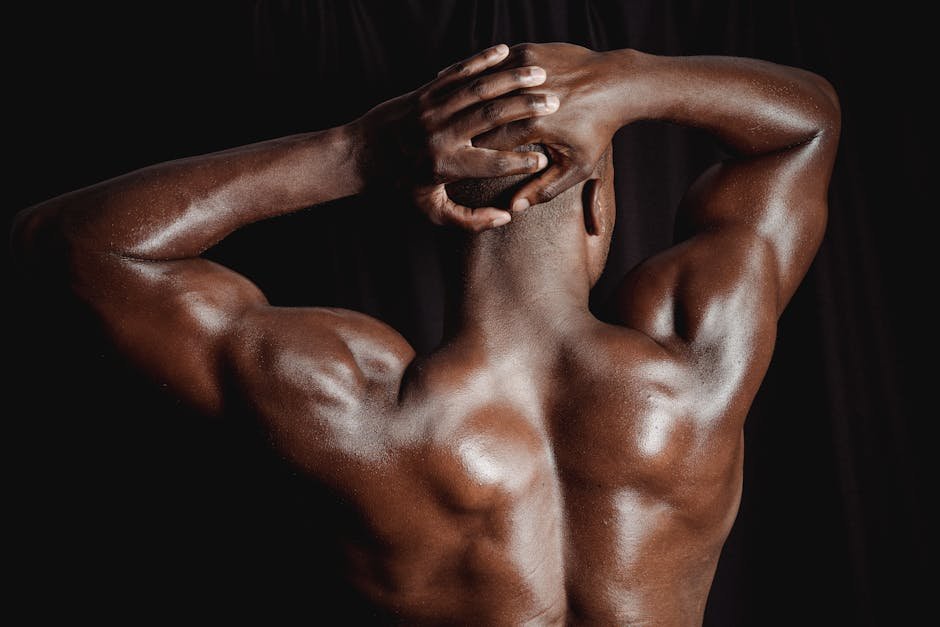
The iliocostalis is the outermost column, positioned furthest to the sides of your spine, closest to your ribs. (The clue is in the name — “costa” is Latin for rib.) This muscle helps extend your back and assists with side-bending, giving you the flexibility to lean and twist. Think of it as the muscle that helps with broader lateral support and those subtle sideways adjustments you make without even thinking about them.
The longissimus is the star of the show — the largest and longest of the three, running along the middle length of your back from the pelvis all the way up to the skull. As its name suggests (longissimus means “longest”), this muscle is the main powerhouse for keeping you standing tall and looking forward. It plays a major role in extending your spine and head, which is why it’s so central to good posture. When you feel that satisfying feeling of “standing up straight,” you’ve got your longissimus to thank.
The spinalis is positioned closest to the spine itself and is more focused on fine-tuning. Rather than generating massive force, it provides precise control directly along the vertebral column, aiding in extending the spine and neck. It handles the nuanced, micro-adjustments that keep your posture stable and balanced throughout the day. Together, these three muscles don’t just work side by side — they work as an integrated biomechanical system, responding to gravity, movement, and postural challenges through coordinated activation.
Beyond Posture: The Deeper Roles These Muscles Play in Your Health
Most people associate back muscles purely with posture and lifting. But the erector spinae complex — your iliocostalis, longissimus, and spinalis working as a team — actually plays several other vital roles that affect your comfort and wellbeing on a daily basis.
One of their most important jobs is load distribution. Your spine carries the weight of your entire upper body, plus any loads you pick up or carry. These muscles help spread that load evenly across your vertebral column, preventing excessive stress on individual discs or vertebrae. Without this even distribution, certain spinal structures would bear far more pressure than they’re designed to handle — setting the scene for wear, tear, and injury over time.
They’re also your body’s natural shock absorbers. Every step you take sends impact forces travelling up through your feet, legs, and spine. The erector spinae muscles, working alongside other soft tissues, cushion these forces and protect your spine from the repetitive stress of everyday movement. This is particularly important as we age, when spinal discs naturally lose some of their water content and shock-absorbing capacity.
Perhaps most fascinatingly, these muscles help maintain the natural curves of your spine. Your spine isn’t meant to be perfectly straight — it has gentle, natural curves (called physiological curves) that are essential for balance, shock absorption, and efficient movement. The erector spinae work constantly to preserve these curves, ensuring your spine functions as the resilient, flexible structure it was designed to be. When these muscles aren’t working properly, the ripple effects can travel far beyond your back, potentially contributing to discomfort in your hips, neck, and shoulders as other muscles try to compensate.
Why So Many People Struggle with Erector Spinae Problems
Given how hard these muscles work, it’s perhaps no surprise that problems in the erector spinae are incredibly common. The modern lifestyle — long hours sitting at desks, hunching over phones, driving for extended periods — places these muscles under a kind of chronic, low-level stress they weren’t designed to handle for such prolonged periods.
When we sit for too long, our erector spinae muscles can become both weakened and over-tightened at the same time. They stop firing efficiently, lose their ability to make rapid postural corrections, and can become chronically tense as they struggle to maintain spinal stability without adequate support from surrounding muscles. Over time, this can manifest as stiffness, aching, and in some cases, more significant back pain.
Another common culprit is poor lifting technique. When we bend from the waist rather than the knees and hips, we place enormous shear forces through the erector spinae and spinal discs — forces that these structures simply aren’t built to manage. Even lifting something relatively light with poor form repeatedly over time can gradually overload these muscles and the structures they protect.
The good news? These muscles respond brilliantly to the right kind of attention. Targeted strengthening, regular movement, and better habits can make a remarkable difference to how your back feels and functions, even if you’ve been struggling for a while.
Practical Tips for Keeping Your Erector Spinae Healthy and Strong
Now for the part you can actually do something about. Looking after your erector spinae muscles doesn’t require a gym membership or complicated equipment — it’s largely about building smarter daily habits and moving your body in ways it was designed for. Here’s where to start:
- Be mindful of your posture: Whether sitting, standing, or walking, think about a gentle string pulling you upward from the crown of your head. Your ears should sit over your shoulders, and your shoulders over your hips. Avoid prolonged slouching or excessive arching in either direction.
- Take regular movement breaks: Aim to get up and move every 30 to 60 minutes if you’re sitting for long periods. Even a short walk to the kitchen or a few gentle stretches at your desk can prevent your erector spinae from becoming stiff and underactive.
- Strengthen your core: A strong core — including your abdominal and oblique muscles — provides essential support for your trunk and indirectly helps your erector spinae work more efficiently. Exercises like planks, bird-dogs, and gentle trunk rotations are excellent places to start.
- Master proper lifting technique: When picking something up, no matter how light, engage your legs and core. Bend at your knees and hips rather than your waist, keep your back straight, and hold the object close to your body as you lift.
- Stay well hydrated: Muscles — like all tissues — need adequate hydration to function well and recover effectively. Aim for plenty of water throughout the day to support overall muscle health.
- Eat a balanced diet: Essential nutrients support muscle repair and function. Ensuring you get enough protein, magnesium, and anti-inflammatory foods can support the health of your back muscles over the long term.
- Listen to your body: Occasional stiffness after a long day is normal. But persistent or worsening back pain is your body’s way of asking for help. Don’t push through it — consult a healthcare professional who can help identify the cause and guide you toward the right approach.
It’s also worth exploring supportive tools that many people find helpful during recovery or for everyday comfort, such as lumbar support cushions for office chairs, foam rollers for gentle muscle release, or resistance bands for core and back strengthening exercises. These can be found easily online and can complement healthy habits nicely.
The Bigger Picture: Spinal Health as an Investment in Your Quality of Life
There’s a reason back pain is one of the most common health complaints worldwide. We ask an enormous amount of our spines — and by extension, our erector spinae muscles — every single day, often without giving them much thought until something goes wrong. But spinal health isn’t just about avoiding pain. It’s about preserving your freedom of movement, your ability to do the things you love, and your confidence in your body as you age.
The iliocostalis, longissimus, and spinalis are remarkable structures. They’re exquisitely adapted for the demands of upright human movement — capable of generating powerful force for big movements while simultaneously making hundreds of tiny micro-adjustments to keep you balanced and stable. Their segmental organisation and extensive connections to surrounding tissues allow your spine to be both a stable foundation and a mobile, dynamic axis for your entire body.
When you invest a little time and energy into understanding and caring for these muscles, you’re not just doing yourself a favour today — you’re building a foundation for a healthier, more active, more comfortable future. Your back works extraordinarily hard for you. Returning the favour is one of the best health decisions you can make.
The Bottom Line: Your erector spinae muscles — the iliocostalis, longissimus, and spinalis — are the unsung heroes of your spinal health, working around the clock to keep you upright, balanced, and moving freely. They distribute load across your spine, absorb shock, maintain your natural spinal curves, and coordinate every movement of your trunk. By building better posture habits, moving regularly, strengthening your core, and lifting with proper technique, you can keep these vital muscles strong and healthy — and enjoy a back that supports you through all of life’s movements, big and small.
This is not medical advice. Consult your healthcare provider before starting any new health routine or using any product mentioned here.