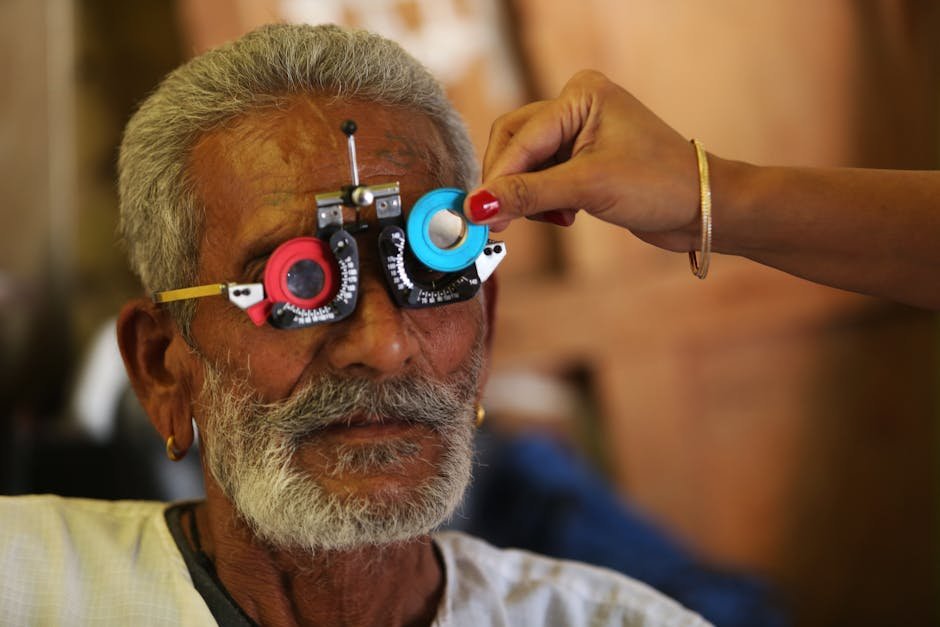
How Seniors Can Maintain Sharp Vision While Reading: A Practical Guide
This post contains affiliate links. As an Amazon Associate, I earn from qualifying purchases at no extra cost to you.
Free resources — no credit card required for trial
🎧 Listen to health & wellness audiobooks free for 30 days
Start 30-Day Free Trial →
📚 Read unlimited health books free for 30 days
Try Kindle Unlimited Free →
Reading is one of life’s great pleasures — whether you’re diving into a favourite novel, catching up on the news, or staying connected through letters and emails. But if you’ve noticed lately that the print seems smaller, your eyes tire more quickly, or you find yourself holding the book at arm’s length just to focus, you’re in very good company. Vision changes are a completely normal part of ageing, and the encouraging news is that there’s plenty you can do about it. This guide is packed with warm, practical advice to help seniors maintain sharp vision while reading — so the joy of the written word stays firmly within reach.
Understanding Why Your Reading Vision Changes as You Age
Before diving into solutions, it helps to understand what’s happening with your eyes. The most common culprit is something called presbyopia — a gradual loss of flexibility in the eye’s natural lens that makes it harder to focus on close-up text. It’s the reason so many of us start reaching for reading glasses in our 40s and 50s, and it continues to evolve through our senior years. The good news? Reading glasses, bifocals, and progressive lenses can make an enormous difference.
Dry eyes are another common challenge. As we age, the tear film that keeps our eyes moist can become thinner or less stable, leading to that burning, gritty feeling that makes long reading sessions uncomfortable. You might also notice increased sensitivity to glare and reduced contrast sensitivity — meaning black text on a white page can sometimes appear less crisp than it once did.
More significant conditions like cataracts, early macular changes, or glaucoma can also affect how well you read. If you notice cloudy or foggy vision, blind spots, colours looking washed out, or any sudden changes in what you see, it’s important to speak with an eye care professional promptly. And those little floaters or moving shadows? While they’re often harmless, any sudden increase in their frequency or size warrants a check-up too. Knowledge really is power here — understanding these changes helps you take the right steps to address them.
Creating a Reader-Friendly Space That Works for Your Eyes
One of the simplest and most effective things you can do to support sharp reading vision is to set up your reading environment with care. Lighting is absolutely key. Aim for bright, even, diffuse light that illuminates your page without shining directly into your eyes. A quality adjustable reading lamp positioned beside you (rather than behind or above) works beautifully. If you read near a window, sit to the side of the natural light rather than facing it — glare from sunlight can make print much harder to see clearly.
Your posture and positioning matter more than you might think. A comfortable chair with good back support encourages you to sit upright, and keeping your book or device at roughly arm’s length — slightly below eye level — reduces both eye strain and neck tension. It might seem like a small thing, but the difference after an hour of reading can be significant.
For those who love print materials, consider swapping to high-contrast formats: dark text on a light, matte background is much easier on ageing eyes. If you’re using a screen, enable a dark mode or high-contrast setting, and look into adding an anti-glare screen protector to your tablet or monitor. Reducing unnecessary visual noise around your reading space can also help — a calm, tidy environment lets your eyes focus on what matters most.
Practical Tips: Small Adjustments That Make a Big Difference for Reading Vision
Sometimes it’s the little tweaks that have the biggest impact. Here are some tried-and-true strategies to make your reading sessions more comfortable and enjoyable:
- Increase font size: Whether you’re reading on a tablet, phone, or e-reader, bump up the font size until reading feels effortless — not something you have to work at. For printed books, look for large-print editions at your local library or bookshop.
- Choose simple, clean fonts: Fancy, decorative, or cramped typefaces are harder on older eyes. Stick with clear sans-serif fonts and generous line spacing wherever possible.
- Use a magnifier: Handheld magnifiers and stand magnifiers with built-in lighting are wonderfully practical for reading small print — on medication labels, menus, maps, and more. A stand magnifier keeps your hands free, which is a bonus when turning pages.
- Always wear your glasses: If you’ve been prescribed reading glasses, bifocals, or progressive lenses, use them consistently for close work. If near vision is getting harder despite your current lenses, it may be time to update your prescription.
- Follow the 20-20-20 rule: Every 20 minutes, look at something approximately 20 feet away for 20 seconds. This simple habit gives your eye muscles a rest and helps prevent dryness and fatigue — especially important when reading on screens.
- Blink more often: We naturally blink less when concentrating on a screen or page, which contributes to dry, uncomfortable eyes. Make a conscious effort to blink regularly to keep your eyes lubricated.
- Position your material correctly: Start with reading material about 14 to 16 inches from your face and adjust from there. If you find yourself straining, that’s a signal to take a break, adjust the lighting, or increase the font size.
- Use a high-contrast bookmark or line guide: A simple coloured strip of card placed under each line of text can help your eyes track more easily across the page — a lovely low-tech solution!
Embracing Technology to Support Sharp Reading Vision
Technology has quietly become one of the senior reader’s best friends, and it’s well worth embracing. E-readers and tablets are particularly helpful because they let you customise the reading experience in ways that printed books simply can’t — adjusting font size, letter spacing, line height, and background colour all at the touch of a button. Many people find a warm, sepia-toned background gentler on the eyes than a bright white screen, especially in the evening.
If your eyes are especially tired on a particular day, text-to-speech and audiobook services offer a wonderful alternative. Platforms like Audible, Libby (through your local library), and built-in device features can read text aloud while you rest your eyes. This doesn’t mean giving up reading — it simply means being kind to yourself and mixing formats to suit how you feel. Many avid readers now enjoy a blend of printed books, e-readers, and audiobooks depending on the time of day or the type of content.
Here’s a particularly useful tool that’s easy to overlook: the Amsler grid. This simple dot grid helps you monitor your central vision for any early signs of macular changes. You can print one for free online or ask your eye doctor for one. By checking it briefly each week and noting any wavy lines, blurry patches, or blind spots, you’re giving yourself an early warning system that can make a real difference if something does need attention. Any changes you notice are worth mentioning at your next eye appointment.
Building Healthy Daily Habits for Long-Term Eye Health
Vision care isn’t just about what happens during your reading session — it’s also about the everyday habits that support your eyes over the long term. Staying well hydrated supports tear production and helps combat dry eyes, while using a humidifier in your home during dry winter months can provide real relief. These are simple, low-cost steps that add up to meaningful comfort.
Nutrition plays a role too. A balanced diet rich in leafy greens like spinach and kale, fatty fish such as salmon and sardines, and colourful fruits and vegetables provides nutrients that are known to support eye health. If you’re considering supplements, it’s always worth having a conversation with your doctor or pharmacist first to find out what’s appropriate for your individual situation.
Don’t underestimate the power of regular exercise, consistent sleep, and managing chronic health conditions like diabetes and high blood pressure. These factors have a real impact on eye health — something that can be easy to overlook when managing multiple aspects of wellbeing. And whenever you head outdoors, make sunglasses with UV protection a non-negotiable habit — your eyes will thank you for protecting them from sun damage year-round.
Perhaps most importantly, schedule annual eye examinations even when your vision feels fine. Your eye doctor can update your prescription, check for cataracts or macular changes, and catch any concerns at the earliest possible stage — when they’re most treatable. If you start a new medication and notice changes in your vision or increased dryness, mention it to your doctor or pharmacist, as some medicines can affect the eyes.
When to Seek Help: Recognising the Signs That Need Attention
While many vision changes are gradual and manageable with the right adjustments, some signs call for prompt attention. If you suddenly experience cloudiness, a curtain or shadow falling over part of your vision, flashes of light, or any new loss of vision, contact your eye doctor or seek emergency care straight away. These symptoms can be signs of conditions that need immediate treatment.
Slower changes — like printed text becoming consistently harder to read, colours appearing washed out, or increasing difficulty recognising faces — are also worth addressing sooner rather than later. A planned visit to your optometrist or ophthalmologist for a thorough check-up can bring peace of mind and open the door to practical solutions. You don’t need to wait until a problem feels urgent before seeking support — proactive eye care is one of the kindest things you can do for yourself.
Remember, your eye care team truly is your partner in this. They’re there to help you preserve and protect one of your most precious senses. Coming to appointments armed with notes about any changes you’ve noticed — even small ones — helps them give you the best possible guidance.
The Bottom Line: Maintaining sharp vision while reading as a senior is very much within your control. By understanding the natural changes that come with age, setting up a comfortable and well-lit reading environment, using the right tools and technology, and building healthy daily habits, you can continue to enjoy reading comfortably for years to come. Small, steady steps — better lighting here, a larger font size there, a pair of well-fitted reading glasses, and a regular eye exam — add up to a significant difference in your everyday quality of life. Reading should feel like a pleasure, not a struggle, and with a little care and the right support, it absolutely can be.
This is not medical advice. Consult your healthcare provider before starting any new health routine or using any product mentioned here.