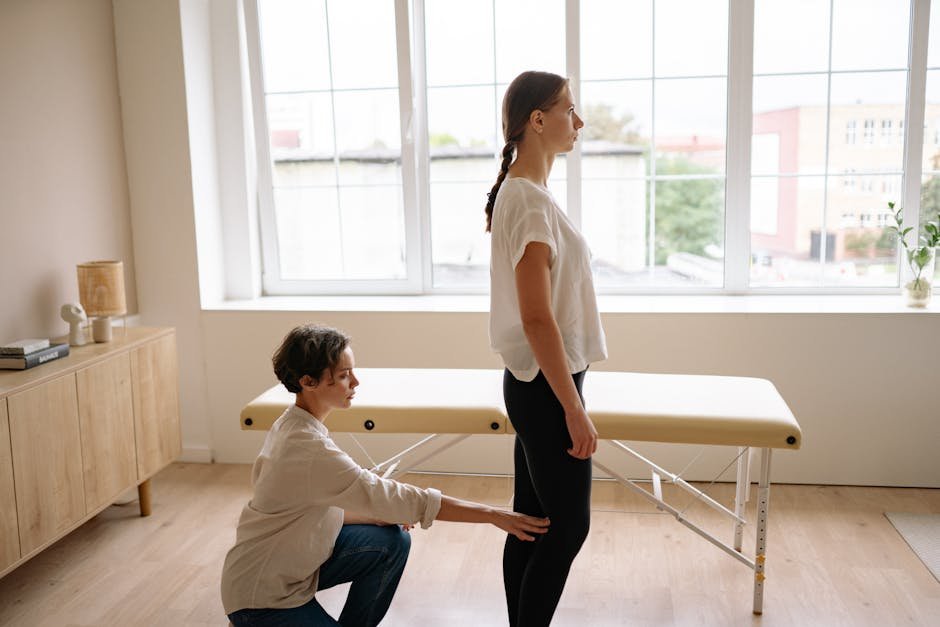
Improving Posture While Watching TV: A Senior’s Guide to Sitting Comfortably and Pain-Free
This post contains affiliate links. As an Amazon Associate, I earn from qualifying purchases at no extra cost to you.
Free resources — no credit card required for trial
🎧 Listen to health & wellness audiobooks free for 30 days
Start 30-Day Free Trial →
🛒 Recommended Products
As an Amazon Associate we earn from qualifying purchases at no extra cost to you.
TheraBand First Step to Active Health Kit — Senior Exercise Program for Balance and Fall P
$19.99
EZ Off Jar Opener for Seniors — Under Cabinet Jar Opener for Weak Hands and Arthritis
$9.99
Omron 5 Series Upper Arm Blood Pressure Monitor — 2-User 100-Reading Memory Wide-Range Cuf
$44.99
OMRON 7 Series Wireless Wrist Blood Pressure Monitor — Clinically Validated with Connect A
$69.99
Vitality 4 Life Senior Resistance Band with Instruction Guide — Specifically for Elderly F
$16.99
📚 Read unlimited health books free for 30 days
Try Kindle Unlimited Free →
There’s nothing quite like settling into your favourite chair after a long day and losing yourself in a good TV show. But here’s something worth knowing: that comfortable slouch you sink into might be quietly working against you. For many older adults, the way we sit during leisure time has a surprisingly big impact on back pain, neck stiffness, fatigue, and even our ability to move freely throughout the day. The good news? Improving posture while watching TV doesn’t mean giving up your comfort — it just means making a few small, smart adjustments that your body will genuinely thank you for.
Why Good Posture Matters More as We Age
You’ve probably heard the word “posture” thrown around since childhood, but it takes on a whole new level of importance as we get older. Good posture is really about helping your body work with gravity rather than fighting against it. When your spine is properly aligned, your nerves have room to do their job, your breathing stays relaxed and full, and your muscles don’t have to work overtime just to keep you upright.
For seniors, even small postural habits — like a forward head tilt, rounded shoulders, or a persistently slouched lower back — can contribute to daily aches, tension headaches, fatigue, and reduced balance. Over time, these little misalignments add up. The flip side is equally true: small improvements in how you sit can reduce discomfort, give you more energy, and make it easier to stay active in other parts of your day. And staying active, of course, is one of the most powerful things you can do for your long-term independence and wellbeing.
Think of posture not as something rigid or military, but as a kind of ongoing kindness to your body. It’s a form of self-care that you can practise right from your living room couch — no gym required.
Common Posture Mistakes to Watch Out For During TV Time
Before we talk about fixes, it helps to recognise what we’re actually doing wrong. Most of us fall into the same familiar habits without even noticing. Here are the most common posture mistakes that happen during TV watching:
Slouching or leaning forward is probably the most widespread habit of all. It feels natural in the moment, but it puts significant pressure on the lower back and tightens the muscles running up the neck. A related problem is the “forward head” position — where your chin juts out ahead of your shoulders — which forces your neck muscles to work much harder than they should. Over hours of TV time, this can lead to real soreness and stiffness.
Rounded shoulders and a tucked chin compress the upper back and reduce the space your lungs have to expand, making breathing subtly shallower. Meanwhile, habits like crossing your legs or perching on the edge of the seat throw your hips and spine out of alignment in ways that compound over time. And something as simple as reaching repeatedly for the remote or a glass of water — if it means twisting or stretching — can strain your back and shoulders far more than you’d expect. Finally, watching a screen that’s set too low encourages you to tilt your head downward for extended periods, which is a common cause of neck strain.
How to Set Up Your TV Space for Better Posture
The single most effective thing you can do for improving posture while watching TV is to set up your environment so that good posture is the path of least resistance. Small changes to your chair, screen position, and surroundings can make a remarkable difference.
Start with your seat. A chair or sofa with built-in lower back support is ideal, but if yours doesn’t offer that, a small lumbar cushion or even a rolled-up towel placed behind your lower back can work beautifully. Your feet should rest flat on the floor with your knees bent at roughly 90 degrees. If your feet don’t quite reach, a sturdy footstool brings everything into alignment without straining your hips. These simple additions are widely available and inexpensive — a lumbar support cushion or a supportive footrest are well worth considering.
Next, look at your TV screen. The top of the screen should sit at roughly eye level — or just slightly below — when you’re sitting upright. If your TV is mounted very high on a wall, you may be craning your neck upward for hours without realising it. Sit at a comfortable distance so you’re not leaning in to see details. And don’t underestimate lighting: bright glare from windows or overhead lights can cause you to squint and tense up, so try positioning lamps behind or to the side of the screen for softer, more even light. Finally, keep your remote, water bottle, and any snacks within easy reach so you’re not constantly twisting or stretching to grab them.
Improving Posture While Watching TV: A Simple Movement Routine
Even with a perfectly set-up chair and screen, staying in any position for too long isn’t great for your body. The key is micro-movement — small, gentle adjustments and exercises every 15 to 20 minutes that keep your body comfortable and your circulation flowing. Commercial breaks are a perfect natural prompt for this.
Here’s a simple routine you can weave into your TV time without missing a moment of your show:
Posture reset (15–20 seconds): Sit tall with your back against the chair. Imagine a gentle string pulling the crown of your head toward the ceiling, lining up your ears over your shoulders. Roll your shoulders back and let them drop away from your ears. This quick reset stops the slow slump that tends to creep in after just a few minutes of sitting.
Gentle neck stretch (20–30 seconds each side): Slowly tilt your head toward one shoulder until you feel a light stretch along the opposite side of your neck. Hold it gently, then switch sides. This eases the tension that builds up when we hold our head still for too long.
Chest opener (30 seconds): Clasp your hands behind your back and gently lift them slightly to open the front of your chest. If that feels too tight, hold a small towel between your hands instead. This counteracts the rounded-shoulder position and helps you breathe more freely.
Shoulder blade squeeze (10–15 seconds): With your arms resting at your sides, gently squeeze your shoulder blades together — as if you’re trying to hold a pencil between them — then release. Repeat a few times. This strengthens the upper back muscles that support good posture.
Seated trunk twist (30 seconds total): Place one hand on the opposite knee and gently rotate your upper body toward that side, keeping your spine long and upright. Return to centre and switch sides. This gentle movement keeps your spine mobile and helps reduce stiffness.
Ankle pumps and circles (60 seconds): With your feet flat, lift your toes toward the ceiling, then press them down. Add some slow ankle circles. This helps circulation in your legs, reducing swelling and that heavy, fatigued feeling.
What You Can Do: Practical Tips for Better TV-Time Posture
Ready to make some changes? Here’s a practical checklist to get you started. You don’t need to do everything at once — pick one or two to start with and build from there.
- Add a lumbar support cushion or rolled towel to your favourite chair to maintain the natural curve of your lower back.
- Check your TV screen height — the top of the screen should be at or just below eye level when you’re sitting upright.
- Use a footstool or footrest if your feet don’t comfortably rest flat on the floor with knees at 90 degrees.
- Keep essentials within arm’s reach — remote, water, tissues — so you’re not repeatedly twisting or leaning.
- Set a timer or use commercial breaks as a prompt to do a quick posture check and 2–3 gentle movements.
- Try the seated cat-cow stretch: hands on knees, inhale as you arch your back slightly and look up, exhale as you round your spine and tuck your chin. Repeat 6–8 times.
- Adjust your lighting to reduce glare — soft lamps positioned beside or behind the TV work well.
- Move slowly and gently with any stretches — never push into pain or discomfort.
- If any movement causes sharp pain, dizziness, or new weakness, stop and rest, and speak with your doctor or physiotherapist before continuing.
- Celebrate small wins — even sitting tall for the first ten minutes of a show is progress worth recognising.
A small goal to start with: try sitting in a tall, neutral position for the first ten minutes of your next show, then do one or two gentle movements at the first commercial break. After a week or two of these habits, many people notice noticeably less stiffness and a real boost in energy — both during and after their viewing time.
Making Posture Improvement a Lasting Habit
The beauty of working on your posture during TV time is that it doesn’t ask you to change how you enjoy your leisure — it just asks you to be a little more intentional about how you’re sitting while you do it. Small changes, repeated consistently, add up to meaningful improvements over weeks and months. Your body is quite responsive to these kinds of gentle, regular adjustments.
Start with your environment: add a lumbar cushion, reposition your screen if needed, and create an easy-reach zone for your everyday items. Then layer in the micro-movement routine — just a couple of minutes at the start of a viewing session, and again during a break. You might even jot a simple note or set a gentle phone reminder to prompt your posture check until the habit becomes second nature.
It’s also worth remembering that posture improvements support so much more than just comfort on the couch. Better spinal alignment during rest can translate into better balance, easier movement, and more confidence in everything you do throughout your day — from walking to gardening to spending time with people you love. Think of every mindful moment of sitting tall as an investment in your independence and quality of life. You’ve absolutely earned your TV time, and with just a little care, it can feel even better than it did before.
The Bottom Line: Improving posture while watching TV is one of the most accessible and rewarding self-care habits a senior can adopt. By setting up a supportive seating environment, positioning your screen at eye level, and weaving in a few gentle movements during your favourite shows, you can significantly reduce daily discomfort, boost your energy, and protect your long-term mobility — all without giving up a single episode of your favourite programme. Start small, be consistent, and celebrate every step forward. Your body will thank you for it.
This is not medical advice. Consult your healthcare provider before starting any new health routine or using any product mentioned here.