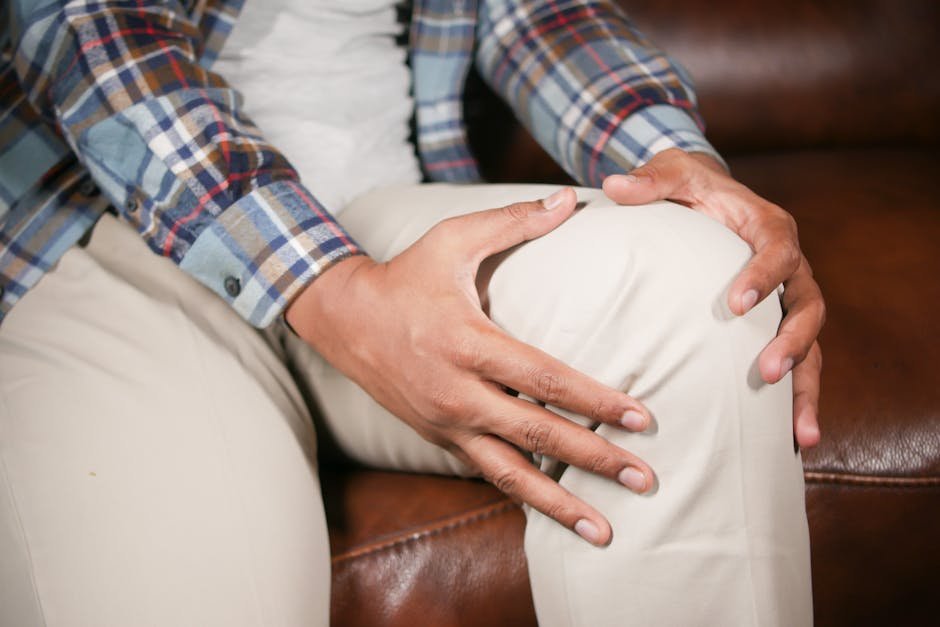
Why Stretching Matters More After 60: Your Complete Guide to Joint Health and Mobility
This post contains affiliate links. As an Amazon Associate, I earn from qualifying purchases at no extra cost to you.
Free resources — no credit card required for trial
🎧 Listen to health & wellness audiobooks free for 30 days
Start 30-Day Free Trial →
🛒 Recommended Products
As an Amazon Associate we earn from qualifying purchases at no extra cost to you.
TheraBand First Step to Active Health Kit — Senior Exercise Program for Balance and Fall P
$19.99
EZ Off Jar Opener for Seniors — Under Cabinet Jar Opener for Weak Hands and Arthritis
$9.99
Omron 5 Series Upper Arm Blood Pressure Monitor — 2-User 100-Reading Memory Wide-Range Cuf
$44.99
OMRON 7 Series Wireless Wrist Blood Pressure Monitor — Clinically Validated with Connect A
$69.99
Vitality 4 Life Senior Resistance Band with Instruction Guide — Specifically for Elderly F
$16.99
📚 Read unlimited health books free for 30 days
Try Kindle Unlimited Free →
There’s a quiet truth that many people discover somewhere around their sixties: the body starts asking for a little more attention. Getting up from a chair takes an extra second. Morning stiffness lingers longer. A walk that used to feel effortless now requires a warm-up. If any of this sounds familiar, you’re not alone — and the good news is that one of the most powerful tools for protecting your joint health and keeping you moving freely is something you can do right at home, in your pyjamas, with no fancy equipment. Stretching after 60 is not just a nice-to-have; it may be one of the most important daily habits you can build for your independence, your comfort, and your overall quality of life.
What Happens to Your Joints and Muscles as You Age?
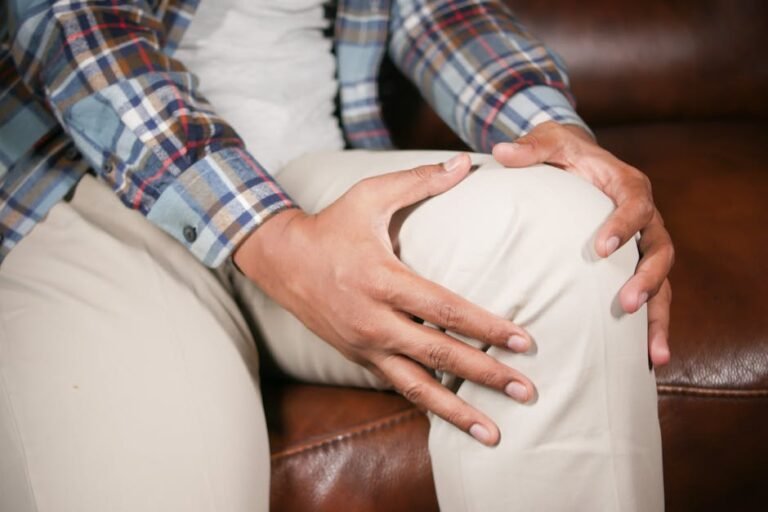
Understanding why stretching becomes more important after 60 starts with a quick, plain-English look at what’s happening inside your body. As we get older, muscles and connective tissues gradually lose some of their natural elasticity. Think of it like a rubber band that’s been sitting in a drawer for years — it still works, but it doesn’t snap back quite as easily. Joints can feel stiffer, especially first thing in the morning or after sitting for a while, and activities that once felt completely effortless may now require a bit of intention and warm-up.
Circulation also tends to slow down with age, which means muscles don’t always get the steady supply of oxygen-rich blood they need to stay supple and responsive. This can contribute to that “creaky” feeling many people describe in their hips, knees, shoulders, and neck. None of this is inevitable doom — it’s just biology asking you to adapt. And adapting, in this case, means moving gently and consistently through a good stretching routine.
The areas that tend to tighten up most noticeably after 60 include the neck and shoulders (from years of desk work or looking at screens), the chest and upper back, the hip flexors (especially if you sit a lot), the hamstrings at the back of your thighs, and the calves. These are also, not coincidentally, the areas that most affect your balance, your posture, and your ability to do everyday things with ease.
The Real Benefits of Stretching for Joint Health After 60
It might be tempting to think of stretching as something athletes do before a run — not something that’s relevant to your daily life. But the benefits of a regular, gentle stretching routine for adults over 60 are genuinely impressive, and they go far beyond flexibility alone.
First and most obviously, stretching improves your range of motion. When your joints can move freely through their natural range, everyday tasks become easier — reaching up to a high shelf, turning around to look behind you while reversing the car, bending down to tie your shoes. These small wins add up to a significantly more comfortable and independent life.
Stretching also helps reduce stiffness and general muscle discomfort. Tight muscles are often the real culprit behind aches that people assume are simply “part of getting old.” Regular gentle stretches can ease that tightness and give you a greater sense of physical ease throughout the day. Additionally, moving your muscles — even gently — encourages better circulation, which can leave you feeling more alert and energetic. And perhaps most importantly for fall prevention, stretching improves your balance and body awareness, helping you respond more confidently when you encounter uneven ground or a sudden shift in posture.
There’s also a mood element that’s easy to overlook. Taking five or ten minutes each day to move your body mindfully and care for yourself creates a positive routine — a small but meaningful act of self-respect that can support a brighter, more optimistic mindset about ageing.
Safe and Effective Stretches for Older Adults: A Gentle Starter Routine
Before we dive into specific stretches, a few golden rules: always warm up with five minutes of easy movement first — marching gently on the spot or swinging your arms will do the job beautifully. Use a chair, wall, or sturdy countertop for support whenever you need it. Never force a stretch or push into pain; you’re looking for a comfortable, gentle pull, not a sharp sensation. Breathe steadily throughout — inhale as you ease into the stretch, exhale as you settle in a little deeper.
Here are some reliable, safe stretches that target the areas most commonly affected by stiffness after 60:
Neck tilt: Sit tall in a chair with feet flat on the floor. Slowly tilt your head toward your right shoulder — you’ll feel a stretch along the left side of your neck. Hold for 15–20 seconds, breathing calmly, then return to centre and repeat on the other side. Do two or three repetitions per side. Stop immediately if you feel any dizziness or tingling.
Shoulder circles and shoulder blade squeeze: Sitting or standing with good posture, roll your shoulders forward in gentle circles five times, then backward five times. Then squeeze your shoulder blades together softly for five seconds and release. Repeat five times. This is wonderful for releasing upper back tension from daily tasks like cooking, driving, or using a phone.
Doorway chest opener: Stand in a doorway and rest your forearm on the frame at about shoulder height. Step one foot forward slightly until you feel a gentle stretch across the front of your chest and shoulder. Hold for 15–30 seconds, then switch sides. Keep a sturdy chair nearby if balance is any concern.
Seated hamstring stretch: Sit toward the edge of a chair with one leg extended, heel on the floor and toes pointing up. Keeping your back straight, hinge gently forward from the hips until you feel a mild stretch in the back of your extended leg. Hold for 15–30 seconds, then swap legs. You don’t need to reach your toes — resting your hands on your shin is perfectly fine.
Calf stretch at the wall: Stand facing a wall with one foot back and one foot forward, both knees slightly bent. Press your back heel into the floor and gently push your hips forward. You’ll feel the stretch in your calf. Hold 15–30 seconds per leg. This one is particularly helpful for walking comfort and balance.
Seated hip opener: Sitting tall in a chair, cross one ankle over the opposite knee and gently press the raised knee away from your body, or lean forward slightly from the hips. You’ll feel a stretch in the outer hip area. Hold 15–30 seconds, then switch sides. If this causes any back discomfort, skip it and focus on the other stretches.
What You Can Do: Practical Tips for Making Stretching a Daily Habit
Knowing a few good stretches is one thing; actually doing them consistently is another. The best stretching routine is the one you’ll actually stick with, and the secret to consistency is making it feel easy and automatic rather than like a chore you have to motivate yourself to do.
- Start small and build gradually: Aim for just five to ten minutes most days rather than a long session you’ll dread. As it begins to feel natural, you can expand from there.
- Anchor your routine to something you already do: Stretch after brushing your teeth in the morning, while the kettle boils, when you sit down to watch your favourite programme, or just before bed. Linking it to an existing habit makes it much easier to remember.
- Use simple, accessible props: A sturdy dining chair, a rolled towel, or a stretching strap can help you reach a little further and hold positions more comfortably without straining. You don’t need an expensive yoga mat or gym equipment.
- Pair every stretch with conscious breathing: Breathing slowly and intentionally not only helps you stretch more effectively — it also turns your routine into a small moment of calm in your day.
- Dress for comfort: Wear loose, comfortable clothing and non-slip footwear or socks with grip. Stretch in a warm, well-lit room with enough space to move safely.
- Stay consistent, not perfect: Some days you’ll feel looser and more energetic than others. On tougher days, do less — but try to do something. Even three or four minutes of gentle movement is far better than nothing and keeps the habit alive.
- Celebrate your progress: Notice when getting out of a chair feels a little easier, or when you can turn your head further. These small changes are real victories worth acknowledging.
Stretching Safely: Important Cautions to Keep in Mind
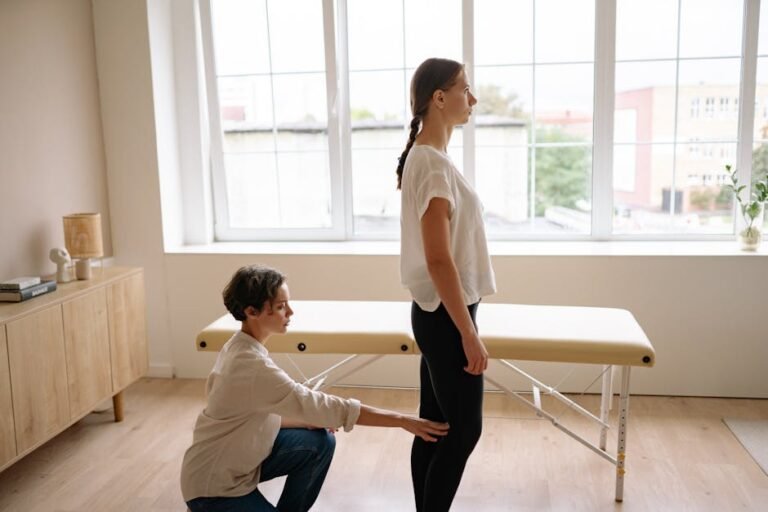
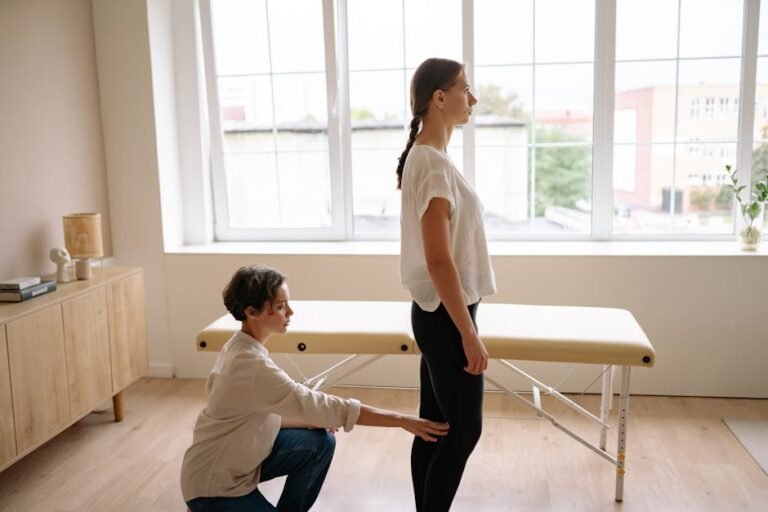
For most healthy adults over 60, gentle stretching is wonderfully safe — but there are a few important things to be aware of before you begin. If you have osteoporosis, have had a recent joint surgery, live with severe arthritis, or experience chronic pain, it’s wise to check in with your doctor or physiotherapist before starting a new stretching routine. They can advise on any modifications that would be appropriate for your specific situation.
One of the most important rules: never bounce during a stretch. This is a common mistake that actually increases the risk of muscle strain. Always move slowly and smoothly into and out of each position. And always respect your body’s pain signals — a comfortable, gentle pull is the goal. If you feel sharp pain, numbness, or tingling, ease back or stop entirely. Pain is your body’s way of telling you something needs attention.
If balance is a concern — and it’s a very reasonable one for many people in their sixties and beyond — start with chair-based stretches exclusively and gradually introduce standing stretches only when you feel confident, always with a wall or sturdy support within arm’s reach. Hydration also matters more than many people realise: drinking enough water helps keep your connective tissues supple and your muscles functioning well.
Building Confidence and a Positive Mindset Around Movement After 60
One of the biggest barriers to starting a stretching routine isn’t physical — it’s psychological. Many people feel self-conscious about their bodies, worried they’re “not flexible enough” to stretch, or convinced that it’s too late to make a difference. Let’s put those concerns to rest right now: you do not need to be flexible to start stretching. Stretching is literally how you become more flexible. And it is absolutely not too late. Research consistently shows that people of all ages respond positively to regular gentle movement, with measurable improvements in mobility, balance, and comfort.
Stretching after 60 isn’t about competing with your younger self or trying to achieve anything that looks like a yoga pose. It’s about caring for the body you have right now, with patience and kindness. Some days will feel better than others, and that’s completely normal. On the days when your body feels stiff or tired, simply do less — maybe just one or two gentle stretches. On the days when you feel good, enjoy the movement and go a little further. The goal is a sustainable habit, not a perfect performance.
Over weeks and months, small consistent efforts genuinely add up. People who commit to regular stretching often report not just better mobility, but also improved mood, better sleep, and a stronger sense of confidence in their own bodies. That confidence — knowing you can move with control and ease — is one of the greatest gifts you can give yourself as you age.
The Bottom Line: Stretching matters more after 60 because your joints, muscles, and connective tissues genuinely benefit from regular, gentle attention — and because the rewards go far beyond physical flexibility. A simple, consistent stretching routine can help reduce stiffness, improve your balance, support better circulation, and give you a meaningful daily ritual that celebrates your body rather than fighting it. You don’t need to spend a lot of time, money, or energy to get started. Pick two or three of the stretches above, practice them daily for a couple of weeks, and notice how you feel. Start small, be patient with yourself, and trust that every gentle movement is an investment in your independence, your comfort, and your confidence for the years ahead.
This is not medical advice. Consult your healthcare provider before starting any new health routine or using any product mentioned here.