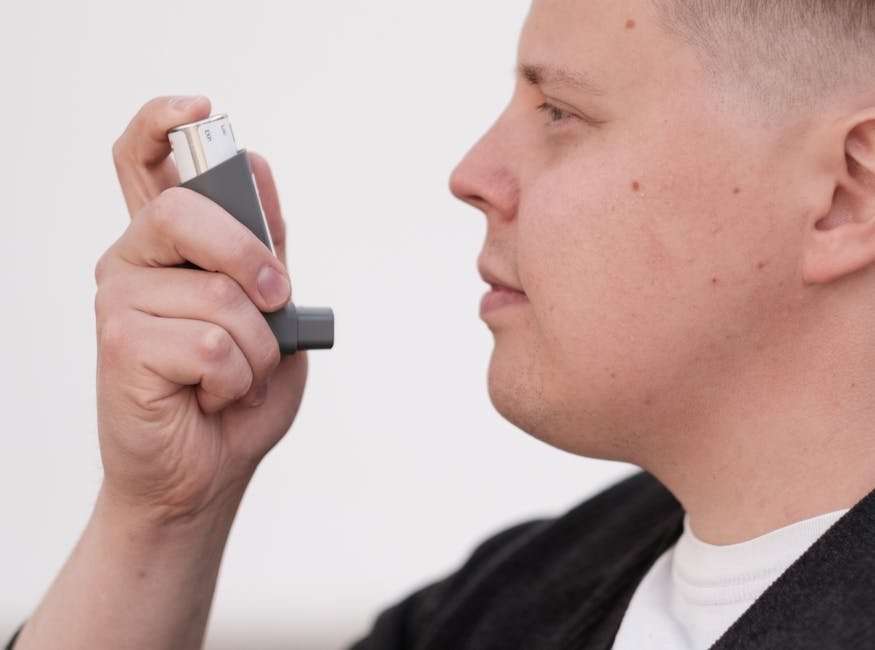
Lung-Capacity Exercises for People 60+: Breathe Stronger and Live Better
This post contains affiliate links. As an Amazon Associate, I earn from qualifying purchases at no extra cost to you.
Free resources — no credit card required for trial
🎧 Listen to health & wellness audiobooks free for 30 days
Start 30-Day Free Trial →
🛒 Recommended Products
As an Amazon Associate we earn from qualifying purchases at no extra cost to you.
TheraBand First Step to Active Health Kit — Senior Exercise Program for Balance and Fall P
$19.99
EZ Off Jar Opener for Seniors — Under Cabinet Jar Opener for Weak Hands and Arthritis
$9.99
Omron 5 Series Upper Arm Blood Pressure Monitor — 2-User 100-Reading Memory Wide-Range Cuf
$44.99
OMRON 7 Series Wireless Wrist Blood Pressure Monitor — Clinically Validated with Connect A
$69.99
Vitality 4 Life Senior Resistance Band with Instruction Guide — Specifically for Elderly F
$16.99
📚 Read unlimited health books free for 30 days
Try Kindle Unlimited Free →
Have you noticed that climbing the stairs leaves you a little more breathless than it used to, or that a brisk walk to the letterbox takes more out of you than it once did? You’re not imagining it — and you’re definitely not alone. As we move through our 60s and beyond, our lungs and the muscles that support them naturally lose a little of their strength and flexibility. The good news? Lung-capacity exercises for people 60+ are simple, gentle, and genuinely effective. With just a few minutes of practice most days, you can start breathing more easily, feeling less fatigued, and getting more enjoyment out of everyday life. Let’s walk through everything you need to know.
Why Lung Capacity Matters More as You Get Older
Our lungs do quiet, tireless work every single moment of our lives — but like any muscle-supported system in the body, they can gradually become less efficient with age. The diaphragm (the dome-shaped muscle below your lungs that powers each breath) can weaken over time. The chest wall becomes a little stiffer, and the tiny air sacs inside the lungs lose some of their elasticity. The result? Breathing can feel like slightly more effort, especially during activities that used to feel effortless.
But here’s the encouraging truth: the lungs respond remarkably well to gentle, consistent training. Regular lung-capacity exercises can help you feel less short of breath during daily tasks, reduce fatigue, improve your energy levels, and even help you sleep more soundly. There’s also a practical safety benefit — lungs that work efficiently are better equipped to cope during respiratory infections like colds, flu, or chest infections. Keeping your breathing muscles strong is one of the most powerful — and most overlooked — things you can do for your overall wellbeing as you age.
The exercises we’re covering today don’t require any special equipment, a gym membership, or a high level of fitness. You just need a comfortable chair, a calm space, and a few minutes of your time. That’s it.
Safety First: What to Know Before You Start
Before diving into the exercises themselves, it’s worth taking a moment to set yourself up for success — and safety. Good preparation means you’ll get the most benefit while keeping the experience comfortable and enjoyable. Start by finding a quiet spot where you can sit or lie with your back well-supported. Wear loose, comfortable clothing that doesn’t restrict your chest or belly. Make sure the space feels calm; distractions can make it harder to focus on your breathing.
If you’re living with a health condition such as COPD, asthma, heart disease, or if you’ve had recent surgery, please check in with your doctor before starting any new breathing exercise routine. This isn’t about creating barriers — it’s about making sure the exercises are adapted to work safely for your specific situation. A good healthcare provider will almost always be supportive of gentle breathing practice; they may just want to guide you on the right approach.
When you first begin, keep sessions short — around five minutes is plenty. You can gradually increase the time as your confidence and comfort grow. One golden rule applies to every exercise here: if you feel pain, significant dizziness, or feel faint at any point, stop and return to your normal breathing. These exercises should feel calming and manageable, never forced or uncomfortable.
The Best Lung-Capacity Exercises for People 60+
There are four core exercises that form the foundation of a great senior breathing routine. Each one targets a slightly different aspect of lung function, but together they make a wonderfully well-rounded practice.
Diaphragmatic (Belly) Breathing is often considered the most important breathing exercise of all. Sit or lie comfortably, place one hand on your belly and one on your chest. Inhale slowly through your nose for about four counts, allowing your belly to rise like a balloon filling with air. Then exhale slowly through pursed lips for six to eight counts, feeling your belly gently fall. Your chest should stay relatively still — it’s your belly doing the work. Aim for five to ten breaths per session, once or twice a day. This exercise strengthens the diaphragm, encourages deeper breaths, and reduces the shallow, rapid breathing that can leave us feeling more breathless.
Pursed-Lip Breathing is wonderfully practical because you can use it in everyday moments — walking to the kitchen, climbing stairs, or any time you feel a little short of breath. Simply inhale gently through your nose for two counts, then purse your lips as if you’re about to whistle and exhale slowly for four to six counts. The exhale should always be longer than the inhale. This technique slows your breathing down, keeps airways open for longer, and helps you pace yourself during activity. Do five to eight breaths per set, two or three times a day.
Controlled Deep Breathing with Counting is ideal for morning or bedtime, or any moment when you feel tense or stressed. Sit or lie comfortably, inhale through your nose for a count of four, pause briefly for one or two counts if that feels comfortable, then exhale through your mouth for a count of six. Four to six cycles make a lovely short session. This exercise trains your breathing to be steady and controlled, which has a calming effect on both the body and the mind.
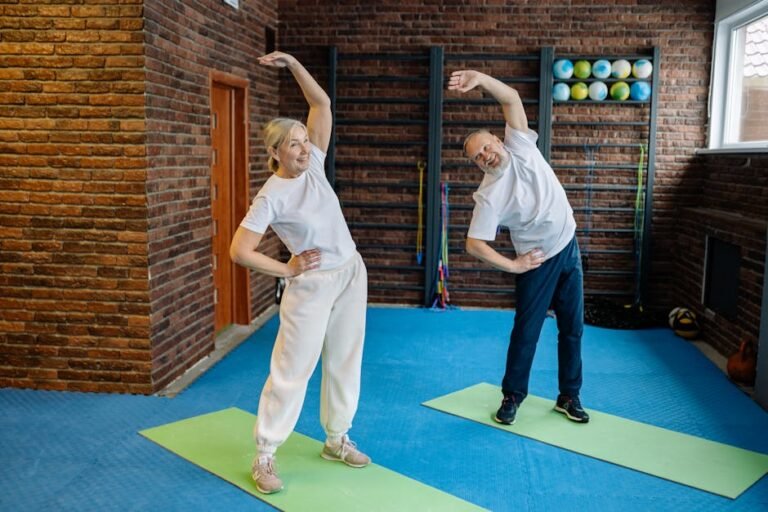
Chest Expansion with Arm Lifts adds a gentle movement element that helps open up the chest and encourages fuller, deeper breaths. Sit or stand with your back straight. As you inhale, slowly raise your arms out to the sides and up toward the ceiling — or just to shoulder height if overhead movement isn’t comfortable for you. Hold for a moment, then exhale as you slowly lower your arms back down. Repeat six to twelve times, once or twice daily. This exercise also supports good posture, which in itself helps the lungs expand more easily.
Building It Into a Simple Daily Routine
The most effective approach isn’t doing an intense session once a week — it’s short, regular practice that becomes part of your everyday rhythm. A beginner routine that takes just 15 to 25 minutes might look like this: start with one to two minutes of relaxed, natural breathing to settle in, move into five minutes of diaphragmatic breathing, then three to five minutes of pursed-lip breathing, followed by four to six cycles of controlled deep breathing, and finish with five to six minutes of chest expansion with arm lifts. If you’d like to add a gentle walk, even five to ten minutes at a comfortable pace counts as a wonderful bonus.
Aim to practice three to five days a week. Don’t worry about being perfect — even two or three days is better than none, and every session counts. Progress is gradual but real. Over weeks, many people notice they can complete more repetitions comfortably, feel less breathless during daily activities, and have a greater sense of calm and control over their breathing.
If a full routine feels like too much at first, that’s absolutely fine. Start with just one exercise — diaphragmatic breathing is a brilliant place to begin — and build from there as your confidence grows. The goal is consistency, not perfection.
What You Can Do: Practical Tips for Making This Stick
Knowing what to do and actually doing it regularly are two different things. Here are some tried-and-tested strategies to help these lung-capacity exercises become a natural, enjoyable part of your daily life:
- Anchor it to an existing habit. Do your breathing exercises right after brushing your teeth in the morning, during a TV commercial break, or while waiting for the kettle to boil. Pairing a new habit with an established one makes it much easier to remember.
- Set a gentle reminder. A sticky note on the fridge, a simple phone alarm, or a daily checkmark on a calendar can be surprisingly effective motivators.
- Start with just five minutes. On days when motivation is low, tell yourself you’ll just do five minutes. Often, once you’ve started, you’ll want to continue — and if you don’t, five minutes is still a win.
- Make it social. Invite a friend, partner, or family member to join you. Breathing exercises are something almost anyone can do, and having company makes the routine more enjoyable and easier to sustain.
- Track your progress gently. You don’t need a fancy app. Simply note how many repetitions you can comfortably do, or how you feel after a session. Noticing your own improvement is a powerful encouragement.
- Use pursed-lip breathing throughout the day. This technique is so discreet you can use it anywhere — on a walk, going up stairs, or during any moment of exertion. Practising it in real situations speeds up your progress.
- Be kind to yourself. If you miss a few days, simply start again without guilt. What matters is the overall pattern, not any single session.
When to Talk to Your Doctor About Breathing
While the exercises in this post are safe and gentle for most people, it’s always important to know when to seek professional advice. Breathing changes that go beyond the normal effects of age or mild exertion deserve attention. Please speak to your doctor promptly if you experience any of the following: sudden or severe shortness of breath that comes on unexpectedly; chest pain or tightness; feeling faint or actually fainting; coughing up blood; a high fever alongside breathing difficulties; or new swelling in your legs alongside breathlessness.
You should also seek guidance if you have a diagnosed condition like COPD, severe asthma, or a heart condition, particularly before starting a new exercise programme. This isn’t about being overly cautious — it’s about working with your healthcare team to make sure your breathing routine is tailored safely to your needs. Many people with chronic respiratory conditions do practise breathing exercises as part of their management plan, often under the guidance of a physiotherapist or respiratory specialist. Don’t hesitate to ask for that support.
Similarly, if you find that despite practising these exercises regularly your breathing is consistently getting worse rather than better, that’s a signal to check in with your GP. Your body knows best, and paying attention to it is always the right call.
The Bottom Line: Lung-capacity exercises for people 60+ are one of the simplest, most accessible things you can do to protect your health and quality of life as you age. By practising diaphragmatic breathing, pursed-lip breathing, controlled deep breathing, and chest expansion exercises for just a few minutes most days, you can genuinely improve how easily you breathe, how much energy you have, and how confidently you move through your daily life. You don’t need equipment, a gym, or even a lot of time — just a comfortable chair, a calm space, and a commitment to showing up for yourself. Start small, be consistent, and trust the process. Every mindful breath is a step toward feeling stronger, freer, and more in control of your wellbeing.
This is not medical advice. Consult your healthcare provider before starting any new health routine or using any product mentioned here.