Exercises to Improve Circulation in Older Adults: Simple, Safe Moves You Can Do at Home
This post contains affiliate links. As an Amazon Associate, I earn from qualifying purchases at no extra cost to you.
Free resources — no credit card required for trial
🎧 Listen to health & wellness audiobooks free for 30 days
Start 30-Day Free Trial →
🛒 Recommended Products
As an Amazon Associate we earn from qualifying purchases at no extra cost to you.
TheraBand First Step to Active Health Kit — Senior Exercise Program for Balance and Fall P
$19.99
EZ Off Jar Opener for Seniors — Under Cabinet Jar Opener for Weak Hands and Arthritis
$9.99
Omron 5 Series Upper Arm Blood Pressure Monitor — 2-User 100-Reading Memory Wide-Range Cuf
$44.99
OMRON 7 Series Wireless Wrist Blood Pressure Monitor — Clinically Validated with Connect A
$69.99
Vitality 4 Life Senior Resistance Band with Instruction Guide — Specifically for Elderly F
$16.99
📚 Read unlimited health books free for 30 days
Try Kindle Unlimited Free →
If your legs feel heavy by the end of the day, your feet are often cold, or your ankles tend to swell, poor circulation could be playing a role. The good news? You don’t need a gym membership, fancy equipment, or an intense workout routine to make a real difference. Simple exercises to improve circulation in older adults can be done right at home — seated in a chair, standing beside the kitchen counter, or even watching your favourite TV programme. This guide walks you through everything you need to know, from why circulation matters to the exact movements that can help you feel more energised, comfortable, and in control of your own health.
Why Circulation Matters More as We Get Older
Good circulation is the body’s way of delivering oxygen and nutrients to every cell, organ, and tissue. When blood flows well, your heart works more efficiently, your legs and feet feel warmer, and you simply have more energy for the activities you love. But as we age, circulation naturally slows down. Blood vessels can become less flexible, muscle tone decreases, and many of us spend more time sitting — all of which can make it harder for blood to travel efficiently around the body.
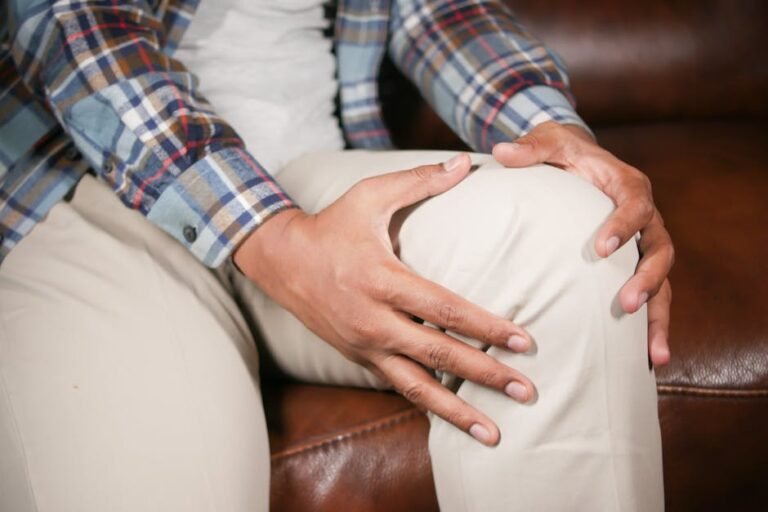
The consequences of sluggish circulation aren’t just uncomfortable — they can be genuinely risky. Swelling in the ankles and feet, a persistent sense of heaviness in the legs, cold extremities, and even an increased risk of blood clots are all linked to poor blood flow. For older adults, these issues can snowball quickly, affecting balance, independence, and quality of life. The encouraging part is that movement — even gentle, modest movement — can counteract many of these effects. You don’t have to run a marathon. A few minutes of targeted exercise each day can make a meaningful difference.
Think of your calf muscles as a natural pump. Every time you flex your foot or rise onto your toes, those muscles squeeze the veins in your legs and push blood back up toward your heart. This is why people who sit for long periods — on a long flight, for example — are advised to move their feet regularly. The same principle applies every single day at home.
Before You Begin: A Few Important Safety Points
Before diving into the exercises themselves, it’s worth taking a moment to set yourself up safely. If you have a medical condition such as heart disease, high blood pressure that isn’t well controlled, diabetes with nerve changes, a recent surgery, a history of blood clots, or severe joint problems, please speak with your doctor before starting any new exercise routine. Your safety always comes first, and your healthcare provider can help you adapt these movements to suit your specific situation.
There are also some clear stop signs to be aware of during any exercise session. If you experience chest pain, dizziness, unusual shortness of breath, or swelling that suddenly worsens, stop immediately and seek help. These are signals your body is sending that shouldn’t be ignored. On a more practical note, always wear comfortable shoes with good support — bare feet on a hard floor is a slip risk. Keep a sturdy chair or wall within arm’s reach when standing, and have a glass of water nearby so you stay hydrated throughout.
Start with a gentle five-minute warm-up before each session. Slowly marching in place, rolling your shoulders in gentle circles, or simply standing and shifting your weight from foot to foot are all great ways to ease your body into movement. This small step helps prepare your muscles and joints and reduces the chance of strain.
The Best Exercises to Improve Circulation in Older Adults
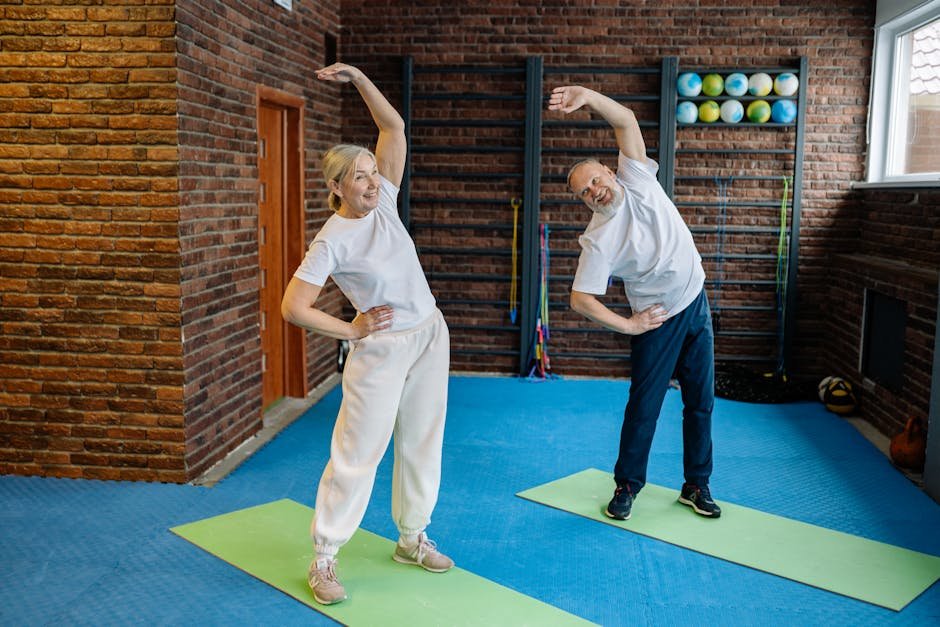
The following exercises are designed to be gentle, effective, and adaptable — whether you’re recovering from an injury, managing a chronic condition, or simply looking to stay active. Aim to do one to two sets of each exercise two to three days a week to begin with, and gradually increase as you feel more comfortable. Remember: slow and controlled is always better than fast and rushed.
Seated ankle pumps are one of the simplest and most effective moves you can do. Sit tall in a chair with your feet flat on the floor. Gently point your toes forward, then pull them back toward you. Repeat slowly for 10–15 repetitions. This action encourages blood to move from your feet and calves back toward your heart — making it ideal to do while watching television or reading.
Ankle circles take just a minute and keep blood moving through the lower legs. Sit or lie down, then slowly rotate one ankle in a full circle — 10 times in each direction — before switching to the other ankle. If your range of motion is limited, smaller circles are perfectly fine. Seated knee lifts (sometimes called air marching) are brilliant for circulation in the thighs and hips. Sitting tall, lift one knee toward your chest as high as feels comfortable, then lower it. Alternate legs for 10–12 repetitions. Keep your back straight rather than leaning forward.
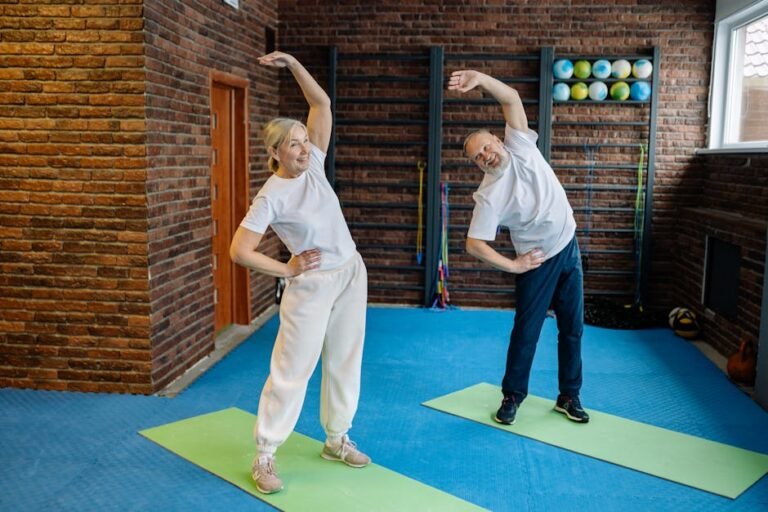
Calf raises are a powerhouse move for circulation. Stand behind a sturdy chair for balance, feet hip-width apart, and slowly rise onto your toes. Hold for a moment, then lower down. Eight to twelve repetitions work well. If standing feels too challenging, you can do a seated version by simply lifting your heels and balancing on the balls of your feet. Arm circles and gentle overhead reaches round out your routine by encouraging blood flow through the upper body. Extend your arms to the sides and make small circles for 15–20 seconds in each direction, finishing with a slow, deep overhead stretch as you breathe in and release.
Finally, don’t underestimate the power of gentle walking or marching in place. A five to ten minute stroll around your home or garden, or two to five minutes of light marching in place beside a wall, is one of the most effective circulation boosters there is. Pair any of these movements with slow, deep breathing — inhale through your nose for a count of four, exhale through your mouth for four — and you’ll be supporting your heart and blood vessels at the same time.
What You Can Do: Practical Tips for Making This a Daily Habit
Knowing the exercises is one thing — building them into your daily life is where the real magic happens. The good news is that these movements are flexible enough to fit around almost any schedule or lifestyle. Here are some practical ways to make them stick:
- Tie exercises to things you already do. Do ankle pumps while watching the morning news. Try calf raises during a TV commercial break. Lift your knees while sitting at the breakfast table. Linking new habits to existing routines makes them far easier to maintain.
- Plan short sessions throughout the day. Rather than one long workout, aim for three short five-to-ten minute sessions — morning, afternoon, and evening. Spreading movement through the day keeps circulation ticking along rather than sitting still for hours at a stretch.
- Create a simple routine card. Write out your chosen six to eight exercises with the number of repetitions on a single card or sheet of paper. Keep it somewhere visible — the fridge, beside your favourite chair, or on the bathroom mirror.
- Use gentle reminders. Set a soft alarm on your phone or ask a family member to check in with you. A friendly nudge can make all the difference on days when motivation dips.
- Invest in a few simple supports. A sturdy chair is the most important piece of “equipment” you need. Non-slip socks or supportive shoes, a small towel for grip, and a glass of water within reach are all that’s required to exercise safely and comfortably at home.
- Invite a friend or family member to join you. Exercising with someone else adds accountability, makes it more enjoyable, and gives you a safety net if you ever feel unwell during a session.
- Start small and build gradually. Begin with one or two exercises. As they become comfortable, add another. Increase repetitions slowly rather than jumping to the maximum straight away. Consistency over weeks and months matters far more than intensity.
Benefits You Can Look Forward To
So what can you realistically expect if you commit to these exercises regularly? The benefits of improved circulation go well beyond just warmer feet, though that’s certainly a welcome perk. With consistent gentle movement, many older adults notice a meaningful reduction in ankle and foot swelling, as well as less of that end-of-day leg heaviness that can make simple activities feel exhausting.
Better blood flow also means your muscles and joints receive more oxygen and nutrients, which supports greater mobility and may help reduce stiffness. Over time, the combination of circulation exercises with balance-focused movements like side leg raises and calf raises can contribute to improved steadiness on your feet — an important factor in reducing the risk of falls. People who move regularly also tend to sleep better, feel less anxious, and report a stronger sense of independence and wellbeing.
Perhaps most importantly, these exercises put you in the driver’s seat of your own health. Rather than waiting for symptoms to worsen, you’re taking practical, proactive steps to support your body every single day. That sense of agency and accomplishment is genuinely powerful — and it tends to grow the more consistently you show up for yourself.
When to Check In With Your Doctor
While these exercises are designed to be safe and accessible for most older adults, there are situations where it’s important to seek medical advice before or during your exercise journey. If you notice sudden or significant increases in swelling, redness, warmth, or a new lump in your legs, contact your healthcare provider promptly — these can be signs of a condition that needs prompt attention, such as a blood clot.
Don’t push through sharp joint or muscle pain at any point. Some mild muscle fatigue is normal when you’re building a new routine, but pain is your body’s signal to slow down or stop. If you’ve recently had surgery, experienced a fall, or been told by your doctor to limit activity, have a conversation with your healthcare team before beginning these exercises. They may be able to suggest modifications that work for your specific situation, or refer you to a physiotherapist who can guide you more closely.
It’s also worth keeping an eye on any medications you’re taking. Some medicines for blood pressure, heart conditions, or diabetes can affect how your body responds to exercise — another good reason to keep your doctor in the loop as you build your routine.
The Bottom Line: Improving circulation doesn’t require heroic effort — it just requires consistent, gentle movement. The exercises in this guide are safe, simple, and genuinely effective for older adults looking to reduce swelling, boost energy, and support their long-term health from the comfort of home. Start with just a few minutes a day, tie your movements to habits you already have, and build from there. Your legs, your heart, and your overall wellbeing will thank you for it. Every small step truly counts.
This is not medical advice. Consult your healthcare provider before starting any new health routine or using any product mentioned here.