Yoga Poses to Improve Posture in Older Adults: A Gentle, Beginner-Friendly Guide
This post contains affiliate links. As an Amazon Associate, I earn from qualifying purchases at no extra cost to you.
Free resources — no credit card required for trial
🎧 Listen to health & wellness audiobooks free for 30 days
Start 30-Day Free Trial →
🛒 Recommended Products
As an Amazon Associate we earn from qualifying purchases at no extra cost to you.
Branfit Shoulder and Back Brace Posture Corrector — Breathable Posture Trainer for Upper B
$24.99
Posture Corrector for Women and Men — Comfortable Effective Brace for Shoulder and Back Pa
$22.99
Bodywellness Posture Corrector for Men and Women — Adjustable Back Straightener with Clavi
$19.99
Updated Posture Corrector — Adjustable Upper Back Brace for Clavicle Support and Neck Pain
$21.99
Upgraded Posture Corrector Back Brace for Men and Women — Full Back Support for Neck and S
$29.99
📚 Read unlimited health books free for 30 days
Try Kindle Unlimited Free →
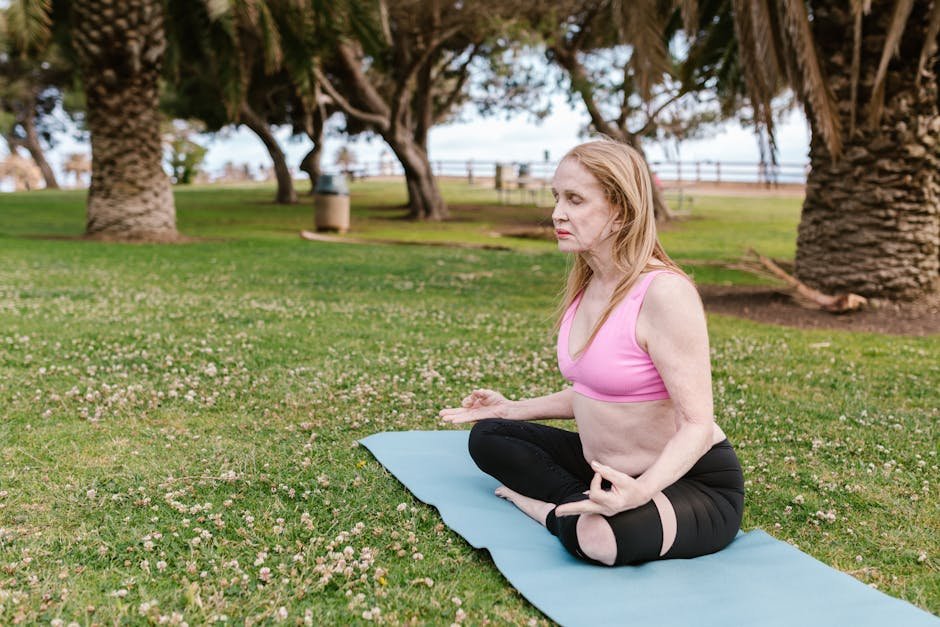
Have you noticed yourself hunching a little more than you used to, or feeling that familiar ache between your shoulder blades after a long day? You’re not alone — and the good news is, it’s never too late to do something about it. Yoga poses to improve posture in older adults are gentle, accessible, and genuinely effective, and you don’t need to be flexible or experienced to start. Whether you’re 60, 75, or beyond, a short, consistent yoga practice can help you stand taller, breathe easier, move with more confidence, and even reduce that nagging neck and back pain that so many of us accept as “just part of getting older.” It isn’t. Let’s explore how yoga can help — and exactly how to get started today.
Why Posture Matters More Than You Think as You Age
Most of us think of posture as a cosmetic concern — something that affects how we look in photos. But for older adults, good posture is deeply tied to how you feel every single day. When your spine is properly aligned, your lungs have more room to expand, which means better breathing and more energy. Your digestive system works more efficiently. Your balance improves, which directly reduces the risk of falls. And those chronic aches in your neck, shoulders, and lower back? Many of them are made worse — or even caused — by the way we habitually hold our bodies.
As we age, a few things naturally work against us. The spine tends to stiffen, the chest muscles can tighten and pull the shoulders forward, and the muscles that support an upright spine may weaken from years of sitting or reduced activity. The result is that familiar forward rounding — head jutting forward, shoulders curled inward, upper back humped. It can happen gradually, almost without noticing, until one day you catch your reflection and wonder when that happened.
The encouraging truth is that yoga is one of the most practical tools available to reverse these patterns. It combines gentle strengthening, stretching, and body awareness in a way that’s adaptable to virtually every fitness level. You can do most of these poses seated in a chair, standing near a wall, or lying comfortably on the floor — whatever works for your body right now.
Six Yoga Poses to Improve Posture in Older Adults
These six poses have been chosen specifically for their posture benefits and their safety for beginners and older adults. Each one comes with modifications so you can adapt it to your current abilities. Start slowly, listen to your body, and remember that even a gentle version of each pose delivers real benefits.
Mountain Pose (Tadasana): This is the foundation of all standing posture work. Stand with feet hip-width apart, knees soft, and imagine a gentle string pulling the crown of your head toward the ceiling. Roll your shoulders back and down, soften your jaw, and breathe. If balance is a concern, stand with your back lightly touching a wall. You can also do this seated in a chair, sitting tall with feet flat on the floor. It sounds simple, but Mountain Pose trains your body to find its natural, upright alignment — and that awareness carries into everything you do throughout the day.
Wall Angels: Stand with your back, buttocks, and head against a wall, feet about a foot away. Raise your arms to a 90-degree angle with elbows at shoulder height and palms facing forward — like a goalpost. Slowly slide your forearms up the wall as far as you comfortably can, then back down. Repeat 8 to 10 times. This exercise quietly wakes up the small muscles of the upper back that are responsible for keeping your chest open and your shoulders back. If standing is uncomfortable, try the same motion seated in a supported chair.
Seated Cat-Cow: Sit tall in a sturdy chair with your feet flat on the floor. As you inhale, gently lift your chest and arch your upper back, letting your shoulder blades draw together slightly (cow). As you exhale, round your spine, draw your belly in, and tuck your chin toward your chest (cat). Move slowly with your breath for 8 to 12 cycles. This flowing movement loosens the spine, strengthens the back muscles, and lengthens the front of the torso — all key ingredients for better posture.
Bridge Pose: Lie on your back with knees bent and feet hip-width apart. Press gently into your feet and lift your hips toward the ceiling, forming a gentle bridge. Hold for 4 to 6 slow breaths, then lower down slowly. If getting to the floor is difficult, you can do a chair version: sit near the edge of a chair and press your feet into the floor to lift your hips slightly. Bridge Pose strengthens the glutes and lower back muscles that keep your pelvis stable and your spine upright.
Doorway Chest Opener: Stand in a doorway and place your forearms on the door frame at about chest height. Gently step one foot forward until you feel a comfortable stretch across the front of your chest. Keep your shoulders down and relaxed — don’t let them creep toward your ears. Hold for 20 to 30 seconds, then step back. Repeat 2 to 3 times. If you prefer a seated version, use a yoga strap or a belt behind your back to gently draw your shoulders open. This is a wonderful antidote to hours of sitting at a desk or looking at a phone.
Seated Spinal Twist: Sit tall in a chair with feet flat and knees together. Place your left hand on the outside of your right knee and your right hand on the chair back. Inhale to lengthen your spine, then exhale to gently rotate toward the right — only as far as feels comfortable. Hold for 3 to 5 breaths, then return to center and repeat on the other side. Gentle twists improve mobility in the middle and upper back, which is often stiff in people with poor posture. Keep the movement small and controlled, especially if you have any bone density concerns.
Safety Tips and Smart Modifications for Common Limitations
Yoga is wonderfully adaptable, but safety always comes first — especially when it comes to senior self-care. Before starting any new exercise routine, check in with your healthcare provider, particularly if you have osteoporosis, recent surgery, severe arthritis, significant back pain, or any heart or lung condition. Once you have the green light, these practical safety principles will help you get the most out of your practice without strain or injury.
Always warm up before your main poses. A few gentle ankle rotations, slow neck circles, shoulder rolls, and knee flexes take just two or three minutes but prepare your joints and muscles for movement. Move with your breath throughout every pose — inhale to lengthen and open, exhale to release tension. Avoid holding your breath, which can cause unnecessary strain. If you ever feel sharp pain, dizziness, or numbness, stop immediately, rest, and reassess. Yoga should feel like a gentle challenge, never a struggle.
Props are your best friends. A sturdy chair, a wall, yoga blocks, and a non-slip mat transform these exercises into safe, empowering options for any fitness level. If you’re managing osteoporosis, avoid deep backbends, aggressive forward folds, or twisting forcefully from the lower back — keep all movements small and supported. For knee or hip pain, keep a slight bend in the knees and favour chair-based versions. For balance concerns, always keep one hand near a wall or chair back.
What You Can Do: Practical Tips for Building Your Posture Practice
The best yoga routine is one you’ll actually stick with. Here are some practical, realistic ways to weave posture-improving yoga into your everyday life:
- Start small and build gradually. Aim for just 5 to 10 minutes of practice, 3 to 4 days a week. Even this modest commitment adds up quickly over weeks and months.
- Gather a few simple props before you begin. A sturdy dining chair, a wall, a non-slip yoga mat, and a belt or yoga strap are all you need. You can find affordable yoga mats and straps online — look for a thick, non-slip mat designed for seniors or beginners.
- Pair your practice with something you already enjoy. Do your seated cat-cow while your morning coffee brews, or practice your Mountain Pose during a favourite podcast. Attaching yoga to an existing habit makes it much easier to stay consistent.
- Start each session with Mountain Pose or Seated Cat-Cow to tune into your body and warm up the spine before moving through the other poses.
- End with quiet breaths. After your poses, take 2 to 3 minutes seated or lying down, breathing slowly and noticing how your body feels. This helps your nervous system absorb the benefits of the practice.
- Track small victories. Notice when your shoulders feel more relaxed, when you catch yourself sitting taller, or when climbing stairs feels a little easier. These small wins are signs that your practice is working.
- Consider a guided yoga video or class for seniors. Many community centres, libraries, and online platforms offer chair yoga or gentle yoga specifically designed for older adults, which can be a wonderful way to deepen your practice safely.
- Stay hydrated and wear comfortable, non-restrictive clothing during your practice. Practice in a clear, uncluttered space where you can move freely and feel safe.
What to Expect: The Journey of Posture Improvement
It’s worth being honest with yourself: posture doesn’t change overnight. Years of habitual movement patterns, muscle imbalances, and spinal stiffness take time to gently unwind. But here’s the encouraging part — many people notice meaningful changes within just a few weeks of consistent, gentle practice. You might find that your shoulders naturally sit a little further back, that your upper back feels less tight at the end of the day, or that you’re breathing more deeply without thinking about it.
The key is consistency over intensity. A gentle 10-minute practice done four times a week will do far more for your posture than an ambitious hour-long session once a fortnight. Think of each practice as a conversation with your body — a chance to gently remind your muscles and joints of the upright, open position that serves you best. Over time, that upright feeling stops being something you have to think about and starts becoming your natural default.
It’s also worth remembering that improved posture has a beautiful ripple effect through the rest of your life. When you stand and sit taller, you project more confidence. When your chest is open, your mood often lifts with it. When your spine is well-supported, you have more energy for the things you love — gardening, walking with friends, playing with grandchildren, or simply enjoying your daily routine with less pain and more ease.
Choosing the Right Props and Equipment for Senior Yoga
You don’t need a fully kitted-out yoga studio to practice safely and effectively at home. A few well-chosen items make a real difference in comfort and safety. A quality non-slip yoga mat is the most important investment — look for one that’s at least 6mm thick for extra cushioning on joints, and make sure it grips the floor well. Yoga blocks (foam ones are lighter and gentler) can support your hands in standing poses and help with balance. A yoga strap or a simple cotton dressing-gown belt is invaluable for the chest opener and for any poses where flexibility is limited.
Most importantly, your sturdy dining chair is one of your best props. It brings the floor up to you, removes the need to get up and down from the mat (which can be a barrier for many seniors), and makes every pose in this guide accessible. Keep your chair near a wall for extra safety during standing poses. Investing in a few good-quality props makes your practice more comfortable, more sustainable, and more enjoyable — which means you’re far more likely to keep coming back to it.
The Bottom Line: Yoga poses to improve posture in older adults are among the most practical, accessible, and genuinely rewarding self-care habits you can build. By spending just a few minutes each day on poses like Mountain Pose, Wall Angels, Seated Cat-Cow, Bridge Pose, the Doorway Chest Opener, and Seated Spinal Twist, you can gradually strengthen the muscles that support your spine, open a tight chest, and develop the body awareness that underpins truly good posture. Start small, use props freely, move with your breath, and be patient with yourself. Your body is ready to respond — yoga simply gives it the gentle invitation it needs.
This is not medical advice. Consult your healthcare provider before starting any new health routine or using any product mentioned here.