Common Dental Problems Seniors Face — And What You Can Do About Them
This post contains affiliate links. As an Amazon Associate, I earn from qualifying purchases at no extra cost to you.
Free resources — no credit card required for trial
🎧 Listen to health & wellness audiobooks free for 30 days
Start 30-Day Free Trial →
🛒 Recommended Products
As an Amazon Associate we earn from qualifying purchases at no extra cost to you.
TheraBand First Step to Active Health Kit — Senior Exercise Program for Balance and Fall P
$19.99
EZ Off Jar Opener for Seniors — Under Cabinet Jar Opener for Weak Hands and Arthritis
$9.99
Omron 5 Series Upper Arm Blood Pressure Monitor — 2-User 100-Reading Memory Wide-Range Cuf
$44.99
OMRON 7 Series Wireless Wrist Blood Pressure Monitor — Clinically Validated with Connect A
$69.99
Vitality 4 Life Senior Resistance Band with Instruction Guide — Specifically for Elderly F
$16.99
📚 Read unlimited health books free for 30 days
Try Kindle Unlimited Free →
Getting older brings a lot of wonderful things — wisdom, perspective, and more time to enjoy life. But it can also bring some surprising changes to your oral health. If your teeth or gums have been giving you more trouble lately, you’re not alone. Common dental problems seniors face are incredibly widespread, and the good news is that most of them are manageable with the right knowledge, a good daily routine, and regular visits to your dentist. Whether you’re dealing with sensitive teeth, dry mouth, gum issues, or denture challenges, this guide will walk you through what’s happening, why it happens, and — most importantly — what you can do about it.
Why Dental Health Changes As We Age
Our mouths, like the rest of our bodies, go through real changes as the decades pass. Enamel — the hard outer layer that protects your teeth — naturally becomes thinner over time. Gums can slowly recede, exposing the softer root surfaces underneath. The medications many of us take for blood pressure, pain, allergies, or sleep can reduce saliva flow, which strips away one of the mouth’s best natural defenses. And chronic conditions like diabetes can make gum disease harder to control.
None of this means you’re destined for a mouth full of problems. It just means that what worked for your teeth in your 30s might need a little updating now. Understanding what’s going on is the first step to staying ahead of it — and protecting not just your smile, but your ability to eat well, speak clearly, and feel confident every single day.
Tooth Decay and Root Caries: A Bigger Risk Than You Might Think
Many people assume cavities are mostly a childhood problem. But tooth decay — and especially a type called root caries — becomes significantly more common in older adults. When gums recede, the roots of your teeth become exposed. Unlike the hard enamel that covers the crown of your tooth, root surfaces are made of softer dentin, which is much more vulnerable to decay. Add in the reduced saliva that often comes with age or medication, and you’ve got conditions that make cavities easier to develop.
Old fillings and dental work can also be part of the picture. Over time, the seal around older restorations can break down, creating tiny gaps where bacteria can sneak in and start new decay. Signs to watch for include brown or black spots near the gum line, sensitivity to hot, cold, or sweet foods, and any tooth pain when biting down.
The good news? Consistent home care makes a real difference. Brushing twice a day with fluoride toothpaste, flossing daily, and limiting sugary or acidic foods and drinks can dramatically slow the progression of decay. If dry mouth is contributing to your cavity risk, sipping water throughout the day and asking your dentist about fluoride rinses can help. Your dentist might also discuss remineralizing treatments that can strengthen vulnerable spots before they turn into full-blown cavities.
Gum Disease: From Gingivitis to Periodontitis
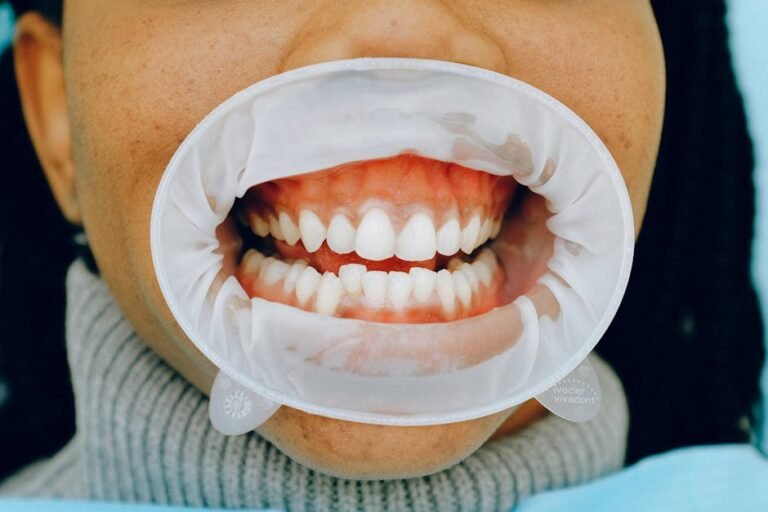
Gum disease is one of the most common dental problems seniors face, and it’s worth taking seriously. It starts as gingivitis — inflammation caused by plaque buildup along the gum line. At this stage, it’s still quite reversible with better brushing, flossing, and a professional cleaning. But if it’s left untreated, gingivitis can progress to periodontitis, a more serious condition where the gums pull away from the teeth, pockets form between teeth and gums, and the bone supporting your teeth can begin to break down.
Several factors make older adults more susceptible. Changes in the immune system that come with age can make it harder for your body to fight off the bacteria involved. Diabetes, dry mouth, and smoking all make gum disease worse and harder to treat. Even reduced hand strength or dexterity — which can make brushing and flossing more difficult — plays a role.
Red, swollen, or bleeding gums are early warning signs you shouldn’t ignore. Persistent bad breath, gums that look like they’re pulling away from your teeth, or teeth that feel loose are signs that things may have progressed. The great news is that gum disease, caught early, responds well to treatment. An electric toothbrush can be a real game-changer if you have any trouble gripping or maneuvering a manual brush — look for one with a pressure sensor to avoid brushing too hard.
Dry Mouth: The Hidden Culprit Behind Many Oral Health Problems
Dry mouth — also called xerostomia — might sound like a minor inconvenience, but it’s actually one of the most significant contributors to dental problems in seniors. Saliva does far more than keep your mouth comfortable. It washes away food particles and bacteria, neutralizes acids, and helps remineralize tooth enamel. When saliva flow drops, tooth decay, gum disease, and oral infections can all increase.
The most common cause of dry mouth in older adults isn’t illness — it’s medication. Hundreds of commonly prescribed drugs, including those for high blood pressure, depression, allergies, and sleep, list dry mouth as a side effect. If you take several medications, the effect can compound. Certain health conditions, including autoimmune disorders, can also reduce saliva production.
If your mouth regularly feels sticky or dry, you’re frequently thirsty, or you’re noticing cracks at the corners of your mouth or a change in how food tastes, it’s worth bringing up with both your dentist and your doctor. Sometimes a medication can be adjusted or substituted. In the meantime, sipping water regularly, using sugar-free gum with xylitol to stimulate saliva, and using products specifically designed for dry mouth — like alcohol-free mouthwash or saliva substitute sprays — can provide meaningful relief. Your dentist may also recommend a prescription-strength fluoride treatment to help protect teeth from the increased decay risk.
Dentures, Tooth Loss, and Tooth Sensitivity: What Seniors Need to Know
Tooth loss is more common in older adults, largely as a cumulative result of decades of decay and gum disease. Many seniors wear full or partial dentures, and while modern dentures can look and function beautifully, they do come with their own set of challenges. A poor fit — which can develop over time as the shape of your jaw changes — can cause sore spots, difficulty chewing, and slipping when you talk or eat. If you’re avoiding certain foods because of your dentures, or if you’ve noticed ongoing irritation or mouth sores, it’s time to see your dentist for an adjustment or evaluation.
Caring for dentures properly is just as important as caring for natural teeth. Clean them daily with a soft denture brush, rinse them after meals, and follow your dentist’s advice about soaking. Giving your gums a rest by removing dentures overnight — if your dentist recommends this — allows the tissues in your mouth to recover and stay healthier.
Tooth sensitivity is another concern that becomes more common with age. As enamel thins and gums recede, the nerves inside teeth can become more reactive to temperature and sweetness. Grinding your teeth at night (bruxism) and brushing too aggressively can also accelerate wear. Using a toothpaste formulated for sensitive teeth, switching to a soft-bristled brush, and asking your dentist about a night guard if you grind can all provide noticeable relief. And don’t overlook oral cancer screening — your dentist should be checking for any unusual sores, lumps, or patches at every regular exam, especially if you have a history of tobacco use or heavy alcohol consumption.
What You Can Do: Practical Tips for Senior Oral Health
The best part about understanding these common dental problems seniors face is realising how much is within your control. A consistent, well-chosen daily routine — combined with regular professional care — can make a profound difference. Here are some practical, actionable steps to protect your oral health:
- Brush twice a day with fluoride toothpaste for at least two minutes each time. Use a soft-bristled brush and gentle, circular strokes — not hard scrubbing.
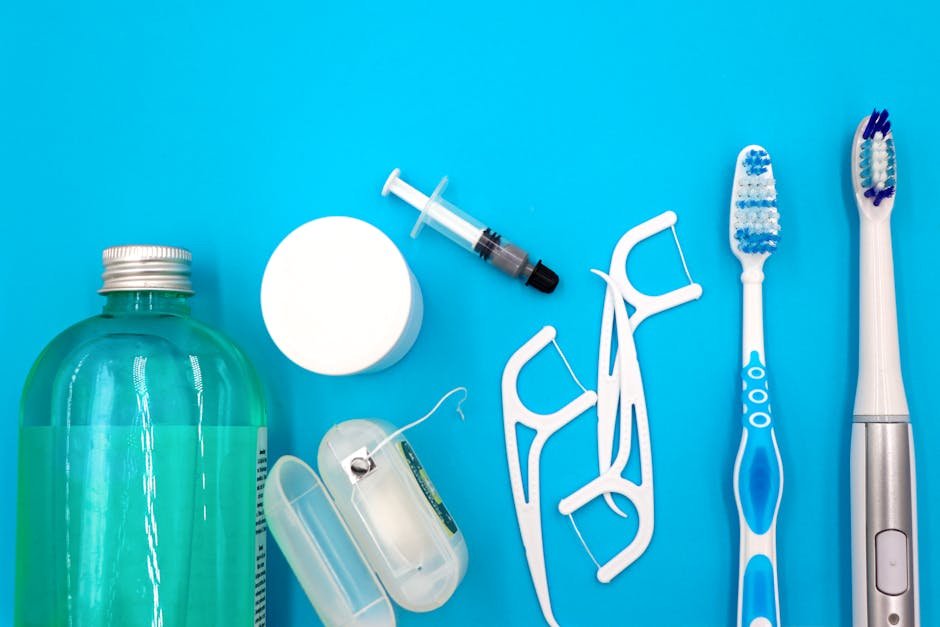
- Consider an electric toothbrush if you have limited hand strength or dexterity. Many models are easy to grip and do much of the work for you.
- Floss or use interdental brushes daily to remove plaque from between teeth and along the gum line — areas your toothbrush simply can’t reach.
- Stay well hydrated throughout the day. Sipping water regularly helps combat dry mouth and washes away food debris and bacteria.
- Chew sugar-free gum with xylitol between meals if dry mouth is a problem — but check with your dentist or doctor first.
- Limit sugary snacks and acidic drinks like fizzy drinks, citrus juices, and coffee. When you do have them, rinse with water straight afterwards.
- Review your medications with your doctor to identify any that may be contributing to dry mouth, and ask whether alternatives are available.
- Avoid tobacco and limit alcohol — both significantly increase your risk of gum disease, decay, and oral cancer.
- Eat a balanced diet rich in calcium (dairy, leafy greens, fortified foods) and vitamin D to support strong teeth and healthy gums.
- Clean dentures daily with a denture brush, soak as directed, and see your dentist promptly if fit or comfort changes.
- Ask about adaptive tools — floss holders, electric toothbrushes, and special mouthwash cups can make oral care easier and more independent if dexterity is a challenge.
- Visit your dentist at least every six months — and bring a complete list of your current medications and health conditions so your dentist can personalise your care.
- Report any unusual mouth sores, lumps, or patches that haven’t healed within two weeks to your dentist straight away.
None of this needs to be overwhelming. Start with the basics — a good brush, some fluoride toothpaste, regular flossing, and a scheduled dental appointment — and build from there. Small, consistent habits really do add up to big results over time.
The Bottom Line: Common dental problems seniors face — from tooth decay and gum disease to dry mouth, sensitivity, and denture challenges — are real, but they’re also largely preventable and manageable. Your oral health is deeply connected to your overall wellbeing, affecting how you eat, speak, and feel every day. By staying informed, keeping up with a gentle daily routine, addressing dry mouth proactively, and partnering with your dental team for regular care, you can protect your smile and your confidence for years to come. It’s never too late to make positive changes — and your future self will thank you for every little step you take today.
This is not medical advice. Consult your healthcare provider before starting any new health routine or using any product mentioned here.