How Aging Affects Hearing — And What You Can Do to Stay Connected
This post contains affiliate links. As an Amazon Associate, I earn from qualifying purchases at no extra cost to you.
Free resources — no credit card required for trial
🎧 Listen to health & wellness audiobooks free for 30 days
Start 30-Day Free Trial →
🛒 Recommended Products
As an Amazon Associate we earn from qualifying purchases at no extra cost to you.
TheraBand First Step to Active Health Kit — Senior Exercise Program for Balance and Fall P
$19.99
EZ Off Jar Opener for Seniors — Under Cabinet Jar Opener for Weak Hands and Arthritis
$9.99
Omron 5 Series Upper Arm Blood Pressure Monitor — 2-User 100-Reading Memory Wide-Range Cuf
$44.99
OMRON 7 Series Wireless Wrist Blood Pressure Monitor — Clinically Validated with Connect A
$69.99
Vitality 4 Life Senior Resistance Band with Instruction Guide — Specifically for Elderly F
$16.99
📚 Read unlimited health books free for 30 days
Try Kindle Unlimited Free →
Have you noticed the TV volume creeping up lately, or found yourself asking people to repeat themselves more often than you used to? You’re not imagining things — and you’re certainly not alone. How aging affects hearing is one of the most common health topics among adults over 60, yet so many people suffer in silence, feeling embarrassed or unsure what to do next. The good news? Hearing changes are a natural part of life, they happen gradually, and there is so much you can do to protect your hearing, adapt with confidence, and stay fully connected to the people and moments that matter most to you.
What Actually Happens to Your Hearing as You Age
Aging brings many gifts — wisdom, perspective, a deeper appreciation for what truly matters. It also brings some physical changes, and your hearing is no exception. Most age-related hearing changes happen in the inner ear and in how your brain processes the sounds it receives. These shifts are gradual, which means they can sneak up on you before you fully notice them.
One of the earliest and most common patterns is difficulty hearing higher-pitched sounds. This might mean the voices of women and children start to sound a little softer, birdsong fades into the background, or certain consonants in speech — like “s,” “f,” and “th” — become harder to distinguish. Speech can start to sound muffled or muddy, especially in noisy environments like restaurants or family gatherings. You might find yourself turning up the radio or television to a volume that others find too loud.
Some people also experience tinnitus — a ringing, buzzing, or humming sound in one or both ears. This is more common than many people realise and can range from mildly annoying to genuinely disruptive. Another subtle but real change is that it can take a little longer to process what you hear. Your ears may pick up the sound just fine, but your brain has to work harder to make sense of it, which can lead to that frustrating feeling of “I heard you, but I didn’t quite catch what you said.”
It’s important to say this clearly: these changes do not mean something is terribly wrong, and they are not a reflection of your overall sharpness or vitality. They simply reflect the natural aging of a complex system — your hearing. Understanding what’s happening is the first step toward managing it well.
Signs That Your Hearing May Be Changing
Because hearing loss tends to develop slowly, many people don’t realise how much their hearing has shifted until a family member points it out — or until a moment of frustration makes it undeniable. Being alert to the early warning signs means you can act sooner and protect your wellbeing more effectively.
Some of the most common signs to watch for include turning up the TV or radio louder than others around you find comfortable, frequently asking people to repeat themselves, or relying on lip-reading to follow conversations. You might struggle particularly in noisy settings — a bustling restaurant, a birthday party, a busy shop — even when you can hear fine in a quiet room. That disconnect between “hearing” and “understanding” is a key signal worth paying attention to.
Other signs include noticing a persistent ringing or buzzing in your ears, feeling mentally tired or frustrated after conversations because listening takes so much extra effort, or gradually withdrawing from social events because following along feels too difficult. That last one is especially important. Social isolation linked to hearing loss can have a real impact on mood and mental health over time. If any of these signs feel familiar, it’s worth having a conversation with your healthcare provider sooner rather than later.
Why Does Hearing Loss Happen? Understanding the Causes
How aging affects hearing isn’t just one simple story — it’s a combination of natural changes and other contributing factors, some of which you have more control over than you might think. Understanding the causes can help you make smart choices going forward.
The most fundamental cause is what’s known as sensorineural hearing loss — the gradual wearing down of tiny hair cells in the inner ear and changes to the nerves that carry sound signals to the brain. These hair cells don’t regenerate once they’re damaged, which is why prevention really does matter. This type of age-related hearing loss is extremely common and tends to progress slowly over the years.
Beyond natural aging, noise exposure plays a significant role. Years of loud music, noisy workplaces, power tools, or recreational activities can accumulate damage over time. Health conditions like diabetes, high blood pressure, and cardiovascular disease can reduce blood flow to the ears, affecting how well they function. Some medications can also impact hearing — either temporarily or permanently — so it’s always worth asking your doctor about any potential ear-related side effects of drugs you’re taking.
Sometimes the culprit is simpler than you’d expect. Excessive earwax buildup, ear infections, or fluid in the ear can all muffle hearing in ways that are often easily treated. Smoking and generally poor health habits can also contribute to faster hearing decline. The takeaway? Some causes are unavoidable, but many factors influencing your hearing are things you can actively manage.
Practical Tips: What You Can Do to Protect and Support Your Hearing
This is the really empowering part. There are so many practical, everyday steps you can take to protect your hearing, manage changes gracefully, and keep communication easy and enjoyable. You don’t need to overhaul your entire life — small, consistent habits make a big difference over time.
- Protect your ears from loud noise. Use high-quality earplugs or noise-reducing earmuffs in loud environments — concerts, power tools, noisy venues. Your future self will thank you.
- Keep headphone and earbud volume reasonable. A helpful rule of thumb: if someone nearby can hear what you’re listening to, it’s too loud. Aim for a volume where you could still hear a quiet voice without straining.
- Get your hearing checked regularly. Ask your doctor about a referral to an audiologist. Getting a baseline hearing test in your 60s or 70s — even if you feel fine — gives you a useful benchmark for the future.
- Manage chronic health conditions. Keeping blood pressure, blood sugar, and cholesterol in a healthy range through diet, exercise, and medication (as prescribed) also supports your hearing health.
- Don’t put objects in your ears. Earwax is actually protective — pushing it deeper with cotton swabs can cause more harm than good. If you suspect a buildup, ask a professional about safe removal options.
- Dry your ears after swimming or bathing to prevent irritation and reduce the risk of infection. Persistent itching, discharge, or discomfort deserves a visit to your clinician.
- Create a communication-friendly environment at home. Face the person you’re talking to, reduce background noise where possible, choose well-lit rooms for conversations, and don’t hesitate to ask someone to rephrase rather than just repeat themselves louder.
- Use available technology. Captions on televisions and smartphones, hearing loop systems in public spaces, and assistive listening devices (ALDs) can make everyday listening significantly easier.
- Stay socially engaged. Regular connection with friends and family isn’t just good for your spirit — it’s genuinely good for your brain and your ability to process sound.
- Give yourself permission to rest. Listening hard takes energy. If you feel mentally tired after conversations, short breaks are not a sign of weakness — they’re smart self-care.
- Quit smoking if you haven’t already. Among its many health impacts, smoking is also linked to accelerated hearing decline.
Hearing Aids and Assistive Options: More Choice Than Ever Before
If a hearing professional recommends a hearing aid or assistive device, it’s worth approaching that conversation with an open mind. The technology available today is genuinely impressive — far more discreet, comfortable, and effective than older generations of devices. Many modern hearing aids are barely visible, come in a range of styles to suit different lifestyles and preferences, and offer features like Bluetooth connectivity, rechargeable batteries, and programmable settings for different environments.
Common styles include behind-the-ear (BTE), in-the-ear (ITE), and receiver-in-canal (RIC) models, each with different advantages depending on the degree of hearing loss and personal comfort. An audiologist will help you find what fits your specific needs and daily life — whether that’s primarily social conversation, watching TV, enjoying music, or all of the above.
Beyond hearing aids, there’s a wide range of assistive listening devices designed to help in everyday situations. These include amplified telephones, TV listening systems, vibrating alarm clocks, and doorbell signalers. Many televisions and smartphones also have built-in hearing accessibility features that are surprisingly effective and completely free to use.
Cost can feel like a barrier, but it’s worth exploring your options before assuming hearing support is out of reach. Talk openly with your clinician about costs, insurance coverage, and community programs that may offer subsidised or low-cost devices. Access to good hearing support is something you deserve to explore fully.
When to See a Professional — And What to Expect
One situation that should never be waited on is sudden or rapid hearing loss in one ear. This is considered a medical urgency — seek attention promptly. Similarly, if you notice persistent muffled hearing, new tinnitus, or any hearing change that lasts more than a few weeks, book an evaluation. And if you already use a hearing aid that no longer seems to be helping as it once did, contact your clinician or device supplier — adjustments or repairs may be all that’s needed.
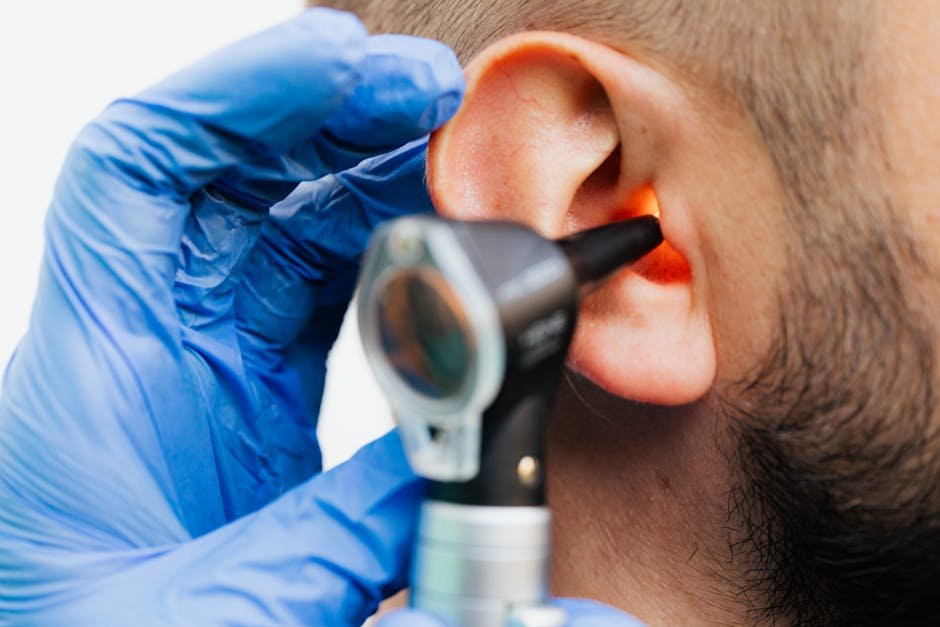
A professional hearing visit is typically straightforward and not at all intimidating. You’ll likely have a hearing test called an audiogram, which measures how well you hear across a range of sounds and tones. Your clinician will also ask about your health history, lifestyle, and daily listening situations — what environments are most challenging, what matters most to you in terms of communication. This helps them tailor recommendations that are genuinely useful for your real life, not just a generic solution.
Depending on what the test reveals, options might include hearing aids, assistive devices, communication therapy, or simply treatment for a treatable condition like earwax buildup or an ear infection. The important thing is knowing where you stand — because knowledge gives you choices, and choices give you control.
The Bottom Line: How aging affects hearing is a topic every adult over 60 should feel comfortable talking about, because early awareness truly makes a difference. Hearing changes are common, gradual, and very manageable when you take a proactive approach. By learning to recognise the signs, protecting your ears from further damage, staying on top of your overall health, and working with a professional when the time is right, you can continue enjoying the fullness of sound — the conversations, the laughter, the music, and the everyday moments that make life rich. You’re not alone in this, and you have far more power over your hearing health than you might think. Take that first small step today.
This is not medical advice. Consult your healthcare provider before starting any new health routine or using any product mentioned here.