
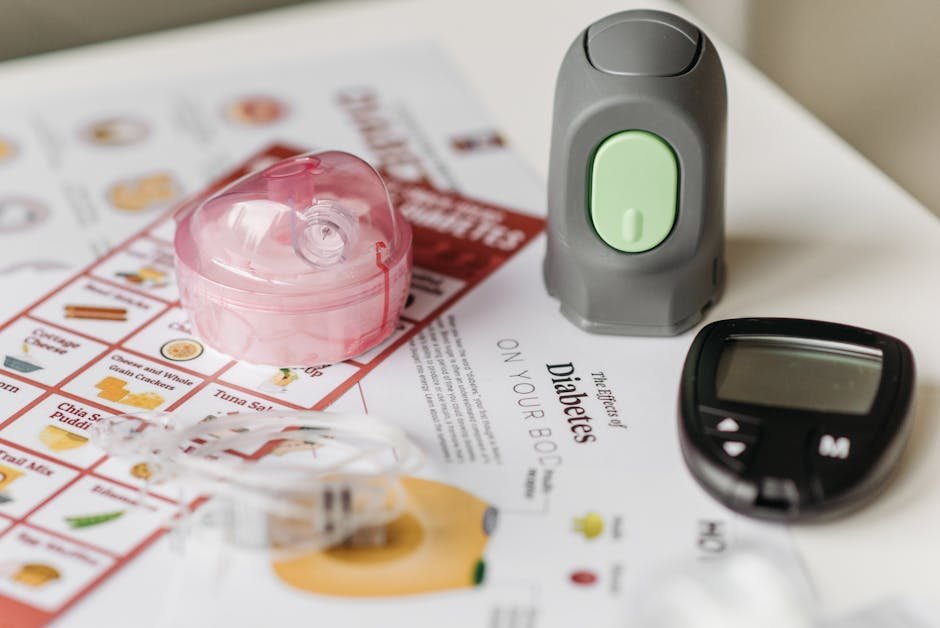
Best Supplements for Blood Sugar Support: A Senior-Friendly Guide to Managing Diabetes
This post contains affiliate links. As an Amazon Associate, I earn from qualifying purchases at no extra cost to you.
Free resources — no credit card required for trial
🎧 Listen to health & wellness audiobooks free for 30 days
Start 30-Day Free Trial →
🛒 Recommended Products
As an Amazon Associate we earn from qualifying purchases at no extra cost to you.
TheraBand First Step to Active Health Kit — Senior Exercise Program for Balance and Fall P
$19.99
EZ Off Jar Opener for Seniors — Under Cabinet Jar Opener for Weak Hands and Arthritis
$9.99
Omron 5 Series Upper Arm Blood Pressure Monitor — 2-User 100-Reading Memory Wide-Range Cuf
$44.99
OMRON 7 Series Wireless Wrist Blood Pressure Monitor — Clinically Validated with Connect A
$69.99
Vitality 4 Life Senior Resistance Band with Instruction Guide — Specifically for Elderly F
$16.99
📚 Read unlimited health books free for 30 days
Try Kindle Unlimited Free →
If you’re living with diabetes, you already know that managing your blood sugar can feel like a full-time job — tracking meals, remembering medications, and keeping up with doctor’s appointments. It’s no surprise that many seniors find themselves curious about supplements that promise to help keep blood sugar steady. The good news? Some supplements genuinely show promise as supportive tools for blood sugar management. The key word, though, is supportive. They work best alongside your prescribed treatment plan, not instead of it. In this guide, we’ll walk you through the most talked-about blood sugar support supplements for seniors — what the evidence says, what to watch out for, and how to have a smart conversation with your doctor before you try anything new.
What Does “Blood Sugar Support” Actually Mean?
You’ve probably seen products at the pharmacy or online labelled “blood sugar support” — but what does that actually mean? In general, these supplements aim to do one or more of the following: help your body use insulin more efficiently, slow down how quickly sugar enters your bloodstream after a meal, support the nerves that diabetes can damage over time, or fill nutritional gaps linked to better glucose control.
It’s worth keeping in mind that the quality of evidence varies quite a bit from one supplement to the next. Some have been studied more thoroughly than others, and individual results can differ based on your overall health, medications, and lifestyle. That’s exactly why it’s so important to loop in your healthcare provider before adding anything new — especially if you already take diabetes medications, blood pressure pills, cholesterol-lowering drugs, or thyroid medication, since many supplements can interact with these.
Think of supplements not as a shortcut, but as potential fine-tuning tools within a broader, well-rounded diabetes management plan. The foundation still comes down to balanced eating, staying as active as your health allows, keeping up with medications, and regular monitoring.
Six Supplements Seniors Frequently Consider for Blood Sugar Support
Cinnamon (Ceylon preferred): Cinnamon is one of the most popular kitchen-cabinet remedies for blood sugar, and there’s some evidence behind the hype. It may slow digestion after meals and improve insulin sensitivity, leading to slightly better blood sugar readings for some people. If you’d like to try it, a small daily sprinkle on food is one easy approach. If you prefer a capsule form, look for Ceylon cinnamon rather than the more common Cassia variety — Ceylon has lower levels of coumarin, a compound that can raise concerns about liver health and blood clotting if consumed in large amounts. If you take blood thinners or have liver concerns, have a chat with your doctor first.
Magnesium: Low magnesium is surprisingly common in older adults, and this matters for blood sugar because magnesium plays a role in how your body processes insulin. Low levels have been linked to higher blood sugar readings, as well as fatigue and muscle cramps. Magnesium glycinate or citrate are often recommended for seniors because they tend to be gentler on the digestive system. Common doses range from about 200 to 400 mg daily, taken with meals. One important caution: if you have kidney disease or take certain heart or bone medications, check with your provider before supplementing, as magnesium can interact with several common drugs.
Alpha-Lipoic Acid (ALA): ALA is an antioxidant that may help the body use glucose more efficiently and, importantly for many seniors, it has been studied for its potential to support nerve health. Diabetic neuropathy — the numbness, tingling, or pain in the feet and hands that many people with diabetes experience — is a real quality-of-life concern, and some people report modest improvements with ALA. Common doses are 300 to 600 mg daily with meals. That said, ALA can interact with thyroid medications and diabetes drugs, so it’s not something to add to your routine without a green light from your clinician first.
Berberine: Berberine is a plant compound that has attracted a lot of attention because it can lower blood sugar through actions in the liver and intestines — in some studies, producing effects that resemble certain diabetes medications. Typical dosing is around 500 mg taken two to three times daily before meals. However, berberine is one of the more potent supplements on this list, which means it also carries a higher risk of interactions. It can cause gastrointestinal upset and can interact with blood thinners, cholesterol medications, and diabetes drugs. People with liver or kidney disease should be especially cautious, and you should never use berberine to replace prescribed therapy without your doctor’s guidance.
Vitamin D: Many seniors are low in vitamin D — often because sun exposure decreases with age and indoor living. While vitamin D is best known for bone health and immune support, some research suggests a link between adequate vitamin D levels and better glucose metabolism. Doses for seniors often fall between 800 and 2,000 IU daily, but because needs vary and too much vitamin D can cause problems (particularly for those with kidney or calcium issues), it’s worth asking your doctor to test your levels with a simple blood test before you start supplementing.
Gymnema Sylvestre: Sometimes called “the sugar destroyer” in traditional Ayurvedic medicine, gymnema may help reduce sugar absorption in the gut and may influence the way sweetness is perceived. Early studies suggest some potential for supporting blood sugar control. Capsules in the range of 200 to 400 mg taken with meals are the most common form. One important note: gymnema can interact with insulin and certain diabetes medications in ways that could push blood sugar too low, so close medical supervision is essential before starting it.
What You Can Do: Practical Tips for Trying Supplements Safely
Thinking about adding a supplement to your routine? Here’s how to do it wisely and safely, especially as a senior managing diabetes.
- Start with a conversation, not a purchase. Before buying anything, bring a full list of your current medications and any supplements you already take to your next appointment. Your doctor or pharmacist can help you weigh the benefits and risks specific to your health situation.
- Try one supplement at a time. If your clinician gives the go-ahead, introduce just one new product at a time and give it several weeks before evaluating. This makes it much easier to spot any side effects or changes in your blood sugar readings.
- Keep a simple log. Jot down the date, which supplement you took, your blood sugar readings at different times of day, any changes in meals or activity, and how you feel. This kind of record is invaluable when you check back in with your healthcare team.
- Look for quality-tested products. Choose reputable brands with clear ingredient lists, and look for third-party testing seals such as USP or NSF. Be sceptical of products making dramatic “miracle cure” claims — steady, realistic progress is what actually works.
- Use a pillbox and set reminders. A weekly pill organiser labelled by day and time makes it easy to stay consistent. Setting a phone reminder tied to mealtimes can help, since many supplements are best absorbed with food and cause less stomach upset that way.
- Ask your pharmacist about interactions. Your pharmacist is an underused resource! They can quickly flag whether a supplement might interfere with your prescriptions.
- Keep food first. No supplement replaces a balanced diet. Fibre-rich carbohydrates (think vegetables, whole grains, legumes), lean proteins, healthy fats, and plenty of water are the true backbone of blood sugar management.
- Revisit your plan every four to six weeks. Check in with your provider to review your blood sugar log and decide whether to continue, adjust the dose, or stop the supplement.
Signs to Watch For — And When to Seek Help
Because several of these supplements can affect blood sugar levels, it’s important to know the warning signs that something isn’t right. If you notice symptoms of low blood sugar after starting a supplement — sweating, shakiness, dizziness, confusion, or a racing heartbeat — check your glucose right away and treat it according to your diabetes management plan. If symptoms persist or you’re not able to manage them safely, seek medical attention promptly.
Digestive side effects are fairly common when starting new supplements, particularly with berberine and magnesium. Mild stomach upset often eases as your body adjusts, but persistent diarrhoea, severe stomach pain, or nausea that interferes with eating is a reason to pause the supplement and call your doctor. Likewise, if you notice any allergic-type reactions — a rash, swelling, or difficulty breathing — stop the supplement immediately and seek care.
It’s also worth being extra cautious if you have liver or kidney disease, since these organs are responsible for processing both medications and supplements. When kidney or liver function is impaired, supplements can build up in the body or have unpredictable effects. In these cases, adding supplements without direct professional guidance is not worth the risk.
Building a Sustainable Blood Sugar Management Routine
Managing diabetes as a senior is genuinely a long game — and the most effective approach is one built on sustainable, realistic habits rather than quick fixes. Supplements, at their best, are small additions to an already-solid foundation. That foundation includes taking your prescribed medications consistently, eating regular balanced meals that don’t spike your blood sugar, staying as physically active as your health allows (even gentle walking counts), staying well hydrated, getting enough sleep, and managing stress.
It helps to think of your healthcare team as partners rather than gatekeepers. Your doctor, diabetes educator, and pharmacist genuinely want to help you find strategies that fit your life. Coming to appointments prepared — with your medication list, your supplement questions, and your blood sugar log — makes those conversations so much more productive. If you haven’t already connected with a diabetes educator, ask your doctor for a referral; they can offer personalised guidance on everything from meal planning to monitoring techniques to supplement decisions.
Remember, too, that diabetes management doesn’t have to be isolating. Many communities have diabetes support groups, and there are excellent online communities where seniors share practical tips and encouragement. You don’t have to figure all of this out alone.
A Simple Starting Plan Before You Buy Anything
If this article has you thinking seriously about trying a blood sugar support supplement, here’s a practical step-by-step approach to getting started on the right foot. First, schedule a brief conversation with your doctor or diabetes educator before purchasing anything. Go in with a specific supplement in mind and ask about safe dosing, potential interactions with your current medications, and how to monitor your response. Second, get a baseline — note your current blood sugar readings so you have something to compare against. Third, if you get the go-ahead, start with the lowest suggested dose and increase gradually if needed. Fourth, keep your log faithfully for the first four to six weeks. Fifth, return to your provider to review your progress and adjust the plan as needed.
This kind of measured, step-by-step approach takes a little more patience than simply ordering the first supplement you see advertised — but it’s so much safer and more likely to give you results you can actually trust.
The Bottom Line: Supplements like cinnamon, magnesium, alpha-lipoic acid, berberine, vitamin D, and gymnema sylvestre all show some promise as supportive tools for blood sugar management in seniors — but none of them are magic bullets, and none should replace your prescribed treatment. The safest and most effective way to explore these options is by working closely with your healthcare team, introducing one supplement at a time, monitoring your blood sugar carefully, and building everything on a foundation of healthy habits. With thoughtful choices, good communication with your doctor, and a steady routine, you can make informed decisions about blood sugar support that genuinely work for your life.
This is not medical advice. Consult your healthcare provider before starting any new health routine or using any product mentioned here.