Standing Weight-Shift Exercises for Seniors: Build Strength, Balance, and Fall Prevention at Home
This post contains affiliate links. As an Amazon Associate, I earn from qualifying purchases at no extra cost to you.
Free resources — no credit card required for trial
🎧 Listen to health & wellness audiobooks free for 30 days
Start 30-Day Free Trial →
🛒 Recommended Products
As an Amazon Associate we earn from qualifying purchases at no extra cost to you.
TheraBand First Step to Active Health Kit — Senior Exercise Program for Balance and Fall P
$19.99
EZ Off Jar Opener for Seniors — Under Cabinet Jar Opener for Weak Hands and Arthritis
$9.99
Omron 5 Series Upper Arm Blood Pressure Monitor — 2-User 100-Reading Memory Wide-Range Cuf
$44.99
OMRON 7 Series Wireless Wrist Blood Pressure Monitor — Clinically Validated with Connect A
$69.99
Vitality 4 Life Senior Resistance Band with Instruction Guide — Specifically for Elderly F
$16.99
📚 Read unlimited health books free for 30 days
Try Kindle Unlimited Free →
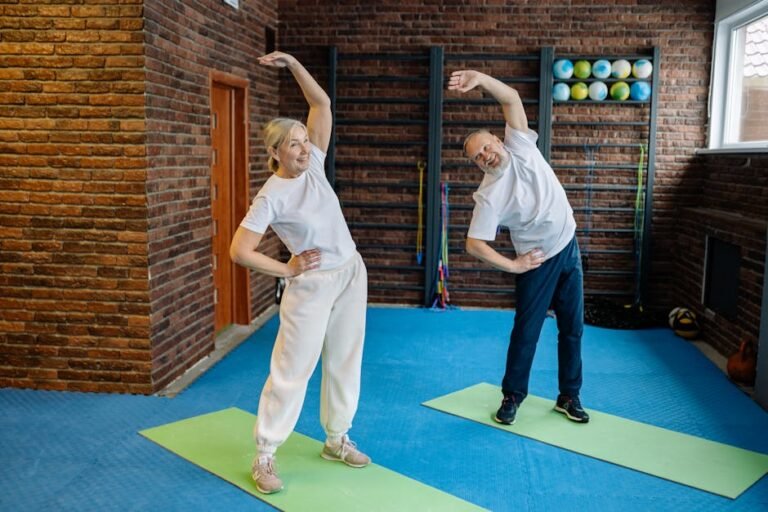
Have you ever reached for something on a high shelf and felt a sudden wobble, or stepped off a curb and caught your breath for a moment? If so, you’re not alone. As we get older, the small, automatic adjustments our bodies make to keep us upright can become a little less reliable — and that can shake our confidence in a big way. The good news is that standing weight-shift exercises are one of the most practical, gentle, and effective ways to rebuild that confidence. These simple movements train your hips, legs, ankles, and core to handle the tiny shifts your body makes dozens of times every day. Best of all, you can do them safely at home, using nothing more than a sturdy chair or a wall for support. Let’s walk through everything you need to know to get started.
Why Balance and Strength Matter More as We Age
It’s easy to take balance for granted when we’re younger. But balance is actually an incredibly complex skill that relies on your muscles, joints, inner ear, and vision all working together in real time. As we age, each of those systems can change — muscles lose a little strength, joints become less flexible, and our reaction times slow down slightly. The result? Everyday movements like standing up from a chair, turning a corner, or bending to pick something up can feel less steady than they used to.
Falls are one of the leading causes of injury among older adults, and fear of falling can itself become a problem — causing people to move less, which then leads to weaker muscles and even poorer balance. It’s a cycle that’s worth breaking early. Standing weight-shift exercises directly target this issue by training your body in a controlled, low-risk environment. They simulate the very movements that daily life demands, so when you’re standing in the kitchen or navigating a busy pavement, your body is already practiced and prepared.
The encouraging truth is that balance is a skill you can improve at any age. You don’t need a gym membership, expensive equipment, or an hour of your day. A few minutes of focused, gentle movement — done consistently — can make a meaningful difference in how steady and confident you feel.
Setting Up Safely Before You Begin
Before you try any standing weight-shift exercises, a little preparation goes a long way toward keeping you safe and making the most of your practice. Start by choosing a room with a clear, uncluttered floor. Remove any rugs or mats that could slip underfoot, and check for cables or low furniture you might not notice if you’re focused on your balance. Make sure a sturdy chair, a countertop, or a wall is within easy reach — not across the room, but right beside you.
What you wear matters too. Non-slip, supportive shoes are essential. Avoid doing these exercises in socks on a smooth floor, as this dramatically increases your risk of slipping. Stand with your feet about hip-width apart, knees slightly soft rather than locked, and gently engage your abdominal muscles — think of it as a very gentle, relaxed tightening, not a hard crunch. Look straight ahead rather than down at your feet. Keeping your gaze forward helps your brain and body work together to maintain balance.
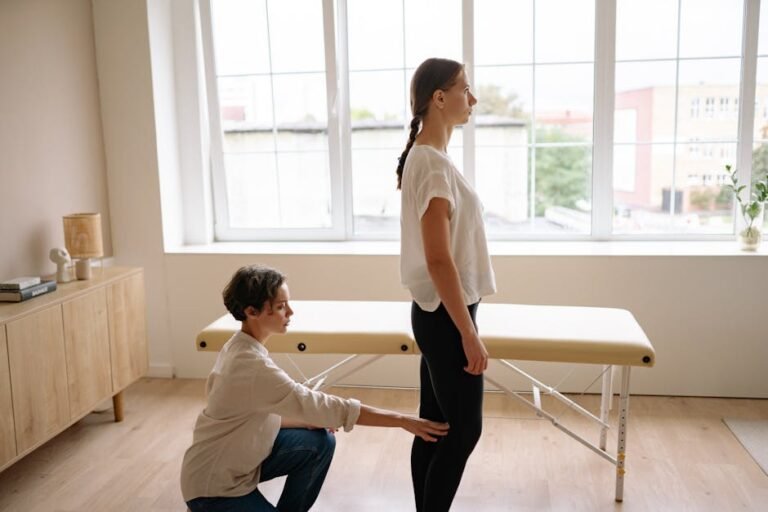
If you’re brand new to balance exercises, or if you’re recovering from an illness or injury, it’s a wise idea to have a family member or caregiver nearby for your first few sessions. And always listen to your body: if you feel dizzy, lightheaded, or unsteady at any point, stop, sit down, and rest. There is absolutely no rush. Start with one to two minutes per session and build gradually as you feel more confident.
Four Standing Weight-Shift Exercises to Try Today
These four exercises form a gentle, progressive routine for improving balance and fall prevention. They’re listed in order of difficulty, so beginners should start at the top and work their way down over days or weeks, only moving on when they feel comfortable and steady.
1. Side-to-Side Weight Shifts. Stand tall with feet hip-width apart and one hand lightly resting on your chair or wall. Slowly shift your weight onto your right foot, letting your left foot stay flat on the floor but bearing less weight. Hold for three to five seconds, then return to centre. Shift to the left and hold again. Aim for eight to twelve shifts in total. This movement builds ankle and hip control and improves your ability to move sideways — exactly what you need when navigating a narrow doorway or stepping around furniture.
2. Forward-Backward Weight Shifts. From your standing position, slowly rock your weight forward onto the balls of your feet, lifting your heels slightly if you feel comfortable. Hold for three to five seconds. Then gently rock back onto your heels, letting your toes rise slightly. Hold again, then return to a natural stance. Repeat eight to twelve times. This one is particularly helpful for everyday transitions like rising from a chair or leaning forward to tie a shoe, as it strengthens your ankles and improves flexibility in the knee and ankle joints.
3. Diagonal Weight Shifts with a Gentle Step. With your hands resting on the chair back, shift your weight to your right foot and then gently step your left foot diagonally forward and to the left — just half a foot’s distance. Pause, then bring it back to centre. Repeat on the other side. Do six to ten repetitions per side. This exercise adds a small, safe step to the weight-shift movement, improving dynamic balance — the kind you need when turning a corner or reaching overhead while standing.
4. Heel-to-Toe Rock with Support. Standing near your chair or wall with feet shoulder-width apart, shift your weight back toward your heels and let your toes lift slightly. Hold three to five seconds. Then shift forward toward your toes and let your heels lift slightly. Hold again. Alternate eight to twelve times, moving slowly and with control. This gentle rocking motion is one of the most effective ways to train your feet and ankles to respond quickly to small trips or slips — a key skill for fall prevention.
Practical Tips: How to Make These Exercises Work for You
The best exercise routine is one you’ll actually stick to. Here are some simple, real-life strategies to help you build consistency with your standing weight-shift practice:
- Attach it to a daily habit. Do a one-to-two minute routine right after you wake up, before a meal, or while brushing your teeth. Linking new habits to existing ones makes them much easier to remember.
- Use visual reminders. Place a sticky note on your bathroom mirror, fridge, or kettle to prompt a few minutes of practice twice a day.
- Use waiting time wisely. While the kettle boils or the microwave counts down, try a few side-to-side or forward-backward shifts. These small moments add up.
- Start slow and build gradually. Begin with beginner modifications — maximum support, smaller shifts, fewer repetitions. Only increase duration or challenge when the current level feels genuinely comfortable.
- Wear the right footwear every time. Even at home, non-slip shoes or well-fitted slippers with grip on the sole make a significant safety difference.
- Keep a simple progress log. Note which exercises you did, how many repetitions, and how you felt. Watching your progress over weeks is genuinely motivating.
- Celebrate small wins. A longer hold, a steadier stance, or simply completing your session — these all count. Progress with balance comes in small, steady steps, and every one of them matters.
- Involve a caregiver or family member. Having someone nearby isn’t just safer; it’s more encouraging. Cheer for careful, controlled movement — not speed.
- Add variety slowly. Once you’re comfortable with the basic four exercises, try incorporating the diagonal steps on alternate days to keep your balance system challenged without overwhelming it.
- Check with your doctor first if you have a medical condition. If you have osteoporosis, a recent injury, or a condition affecting your balance, speak with your healthcare provider before starting any new exercise programme.
The Real-Life Benefits of Standing Weight-Shift Exercises
It can be hard to stay motivated with any exercise when the benefits feel abstract. So let’s talk about what these movements actually look and feel like in daily life. When you practise weight-shift exercises consistently, one of the first things many people notice is that getting up from a chair feels easier and less effortful. That forward-and-back rocking motion you’ve been training directly supports the movement pattern your body uses to push up from a seated position.
You may also find that turning while walking — something we do constantly without thinking — feels more controlled. The lateral and diagonal shifts train the hip and ankle muscles responsible for steering your body, which means corners, doorways, and crowded spaces become less daunting. Reaching for objects while standing, stepping over a threshold, and navigating uneven surfaces all become more manageable as your body learns to adjust its weight distribution quickly and confidently.
Perhaps most importantly, many people find that their fear of falling begins to ease. This is not just psychological — it’s backed by real improvement in your body’s ability to sense and correct small imbalances before they become a stumble. When your body knows what to do, your mind relaxes too. That reduced fear can have a ripple effect on your whole life: you may move more freely, socialise more easily, and feel more independent at home and out in the world.
Important Safety Precautions to Keep in Mind
These exercises are designed to be gentle and accessible, but safety always comes first. A few precautions are worth repeating. Always clear your exercise space before you begin — even a small rug or a stray piece of clutter can be a hazard when your attention is on your balance. Keep your support surface (chair, wall, or countertop) within easy arm’s reach throughout every exercise, not just at the start.
If you have been diagnosed with osteoporosis, it’s especially important to keep your movements smooth and controlled, minimise the range of your shifts, and check with your clinician before beginning a new exercise programme. The same applies if you’ve had a recent fall, surgery, or any change in your health. These exercises are supportive, not a replacement for medical advice.
Stop immediately and sit down if you experience chest pain, severe breathlessness, or significant dizziness. Rest and reassess with a caregiver or healthcare professional before continuing. And remember: going slowly and carefully is always the right approach. There is no prize for rushing, and building a steady, confident practice over weeks and months is far more valuable than pushing too hard too soon.
The Bottom Line: Standing weight-shift exercises are one of the most practical and accessible tools available for seniors looking to improve their balance, build lower-body strength, and reduce the risk of falls. You don’t need special equipment or a lot of time — just a sturdy chair, supportive shoes, a clear floor, and a few minutes each day. By practising these gentle movements consistently and building gradually, you can move through your daily life with greater steadiness, confidence, and independence. Start where you are, use the support available to you, and celebrate every small step forward. You have more control over your balance than you might think — and the time to start building it is now.
This is not medical advice. Consult your healthcare provider before starting any new health routine or using any product mentioned here.