How to Relieve Lower Back Pain After Walking: A Gentle Guide for Older Adults
This post contains affiliate links. As an Amazon Associate, I earn from qualifying purchases at no extra cost to you.
Free resources — no credit card required for trial
🎧 Listen to health & wellness audiobooks free for 30 days
Start 30-Day Free Trial →
🛒 Recommended Products
As an Amazon Associate we earn from qualifying purchases at no extra cost to you.
TheraBand First Step to Active Health Kit — Senior Exercise Program for Balance and Fall P
$19.99
EZ Off Jar Opener for Seniors — Under Cabinet Jar Opener for Weak Hands and Arthritis
$9.99
Omron 5 Series Upper Arm Blood Pressure Monitor — 2-User 100-Reading Memory Wide-Range Cuf
$44.99
OMRON 7 Series Wireless Wrist Blood Pressure Monitor — Clinically Validated with Connect A
$69.99
Vitality 4 Life Senior Resistance Band with Instruction Guide — Specifically for Elderly F
$16.99
📚 Read unlimited health books free for 30 days
Try Kindle Unlimited Free →
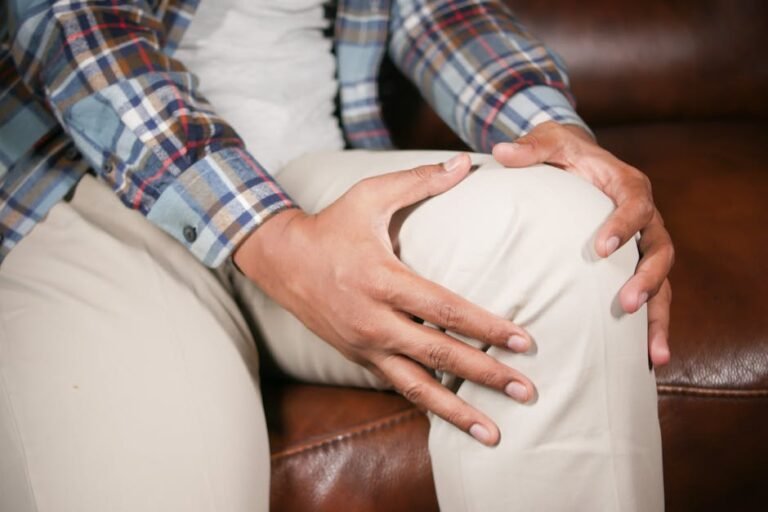
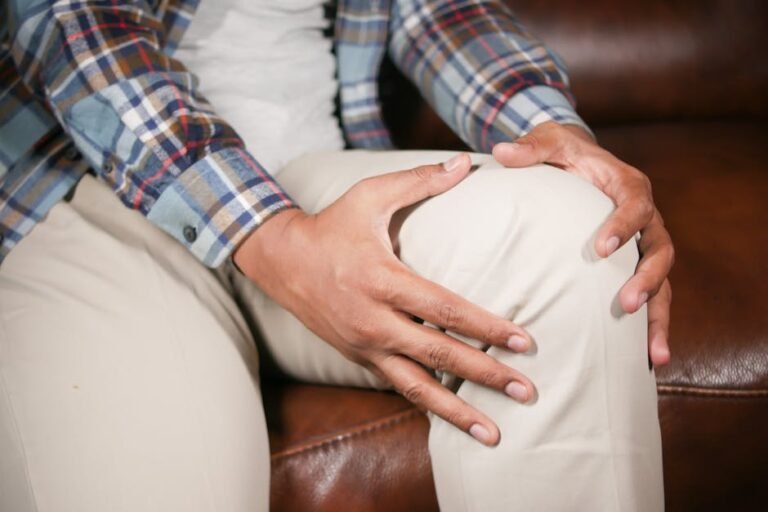
If you’ve ever come home from a walk feeling stiff, achy, or sore in your lower back, you’re in very good company. Lower back pain after walking is one of the most common complaints among older adults — and the reassuring news is that it’s often very manageable. A walk that felt effortless on Monday can leave your back grumbling by Wednesday, and that can feel discouraging. But it doesn’t have to stop you in your tracks. With a little understanding of why it happens and a few simple, practical strategies you can try right at home, you can ease the discomfort, protect your spine, and keep enjoying the incredible benefits that walking brings to your body and mind.
Why Lower Back Pain After Walking Is So Common As We Age
There’s no single reason why lower back pain shows up after a walk — usually it’s a combination of factors that quietly add up over time. As we get older, the muscles that support the spine can gradually become tighter or weaker, especially if we’ve been sitting more or have reduced our activity levels. When those muscles aren’t doing their job as well as they used to, the spine ends up carrying more of the load during movement, and that can lead to soreness afterward.
Joint changes also play a role. Osteoarthritis in the lower back or hips is very common in older adults, and it can cause stiffness and discomfort that becomes more noticeable after physical activity. Age-related changes in the discs between your spinal vertebrae can also contribute, sometimes leading to mild nerve irritation or a dull, lingering ache after a walk.
Your posture and the way you walk matter more than you might realise too. A slight tilt of the pelvis, rounded shoulders, or a shorter stride can place extra strain on the lower back over time. And don’t underestimate the role of footwear — shoes without proper cushioning or support, or walking on uneven surfaces, can throw your whole body out of alignment. The good news is that many of these factors are things you can actually do something about.
Quick Self-Care Steps to Ease Lower Back Pain After Your Walk
When your lower back is complaining after a walk, the temptation might be to lie down and stay very still. A brief rest can certainly help, but the goal is gentle movement rather than complete stillness. Once you’ve rested for a few minutes, try slow, easy movements like standing and lightly marching on the spot. This helps prevent stiffness from setting in and keeps circulation flowing to the muscles that need it.
Heat and cold therapy can both be helpful, depending on what feels right for your body. A warm bath, heat pack, or heating pad on a low setting can work wonders for relaxing tight muscles. If there’s any swelling or you’re not quite sure what’s causing the pain, a cold pack applied for 15 to 20 minutes (always with a cloth between the pack and your skin) can help calm things down. Many people find they prefer one over the other — trust your instincts here.
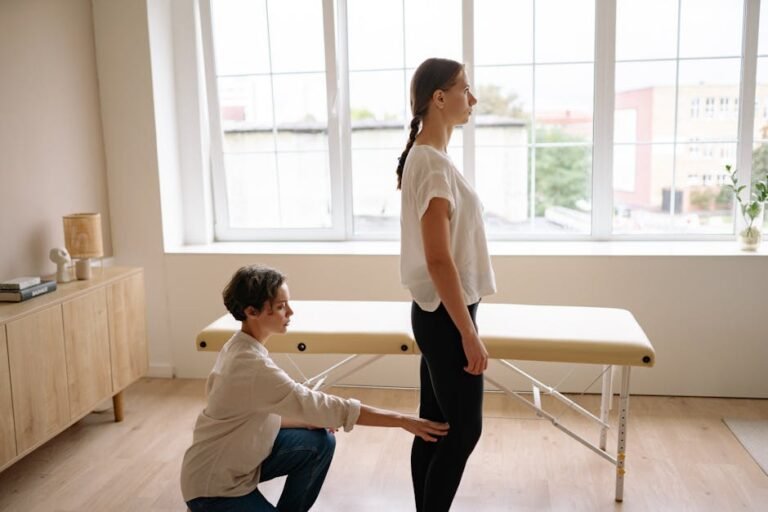
After your walk, take a moment to check in with your posture. Stand tall with relaxed shoulders, an open chest, and your tummy gently engaged. Imagine a string pulling you upward from the very top of your head. It sounds simple, but good posture after exercise can make a surprisingly big difference to how your back feels in the hours that follow. If balance is a concern during your walks, make sure any cane or walker you use is properly adjusted for your height — this matters more than many people realise.
Safe and Gentle Exercises to Relieve Lower Back Pain at Home
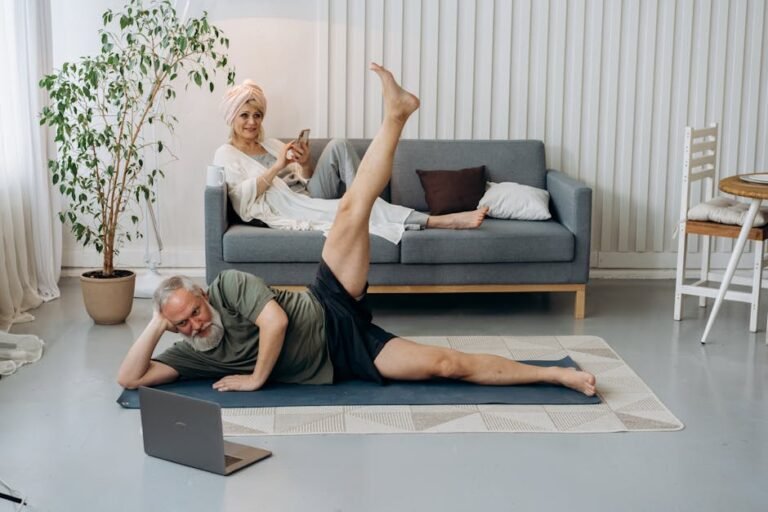
One of the most effective things you can do for lower back pain after walking is to strengthen and stretch the muscles that support your spine. The exercises below are gentle, low-impact, and designed with older adults in mind. Try to do them three to five days a week, ideally after a light walk or later in the day when your back is warmed up. Always move slowly, breathe steadily, and stop if any movement increases your pain. If you have osteoporosis, a history of spinal fractures, or have had back surgery, please check with your doctor before beginning.
The pelvic tilt is a wonderful starting point. Lie on your back with your knees bent and feet flat on the floor. Gently tighten your abdominal muscles and press your lower back toward the floor. Hold for five seconds, then relax. Repeat ten to fifteen times. This simple move helps engage your core and encourages the lower back to decompress. The knee-to-chest stretch is equally soothing — while lying on your back, gently bring one knee toward your chest, hold for twenty to thirty seconds, then switch sides. This gently lengthens the lower back and hips.
For the muscles at the back of your legs, a hamstring stretch can make a big difference to how your back feels. You can do this lying down with a towel looped around your foot, or seated in a chair with one leg extended. Lean gently forward from the hips until you feel a mild pull behind your leg, and hold for twenty to thirty seconds. Tight hamstrings are a surprisingly common contributor to lower back pain. The hip flexor stretch — a gentle standing lunge while holding the back of a chair — opens the front of the hip and takes strain off the lower back. The cat-cow stretch on hands and knees is brilliant for spine mobility, moving gently between arching and rounding your back with your breath. And the glute bridge, where you lie on your back and lift your hips a few inches off the floor, helps build strength in the lower back and bottom — two areas that are crucial for spinal support.
What You Can Do: Practical Tips to Prevent Lower Back Pain When Walking
Prevention is just as important as recovery. A few small, consistent habits can go a long way toward reducing how often lower back pain shows up after your walks.
- Warm up before you head out: Spend two to three minutes doing slow marching on the spot or gentle leg swings before you start walking. This prepares your muscles and joints and can significantly reduce post-walk stiffness.
- Invest in supportive footwear: Shoes with good cushioning, arch support, and a non-slip sole can protect your spine and improve your alignment while walking. If your current shoes are worn down, it may be time for a new pair.
- Choose your surfaces wisely: Flat, even paths are much kinder to your back than uneven terrain. Save the challenging trails for when your back is feeling strong and comfortable.
- Shorten your walk if pain starts to rise: There’s no shame in turning back a little earlier on a tough day. Gradually increasing your distance over time, rather than pushing through pain, will serve your back much better in the long run.
- Stay hydrated: Your muscles and spinal discs need adequate fluid to function well. Drink water before, during, and after your walk.
- Build a post-walk routine: After every walk, spend five minutes doing gentle movement — a slow stroll around the garden or light marching in place — followed by five to ten minutes of the stretches above. Then rest in a comfortable position, perhaps with a small pillow under your knees.
- Think consistency over intensity: Short, regular walks and daily gentle stretching will do more for your spine health than occasional bursts of intense activity. Little and often truly is the way to go.
- Sprinkle movement throughout your day: A short walk after meals, a stretch before bed, or standing up from your chair every hour all add up to meaningful improvements in how your back feels.
When to Seek Professional Help for Lower Back Pain
Most lower back pain after walking can be managed at home with gentle self-care, and it usually improves within a few days. However, there are certain signs that mean it’s time to stop self-treating and speak with a healthcare professional. It’s important to know these so you can act quickly when needed.
See your doctor or physiotherapist if your lower back pain has lasted more than two to three weeks despite consistent self-care, or if the pain is severe and doesn’t improve with rest. If you notice numbness, tingling, or weakness in one or both legs alongside your back pain, that’s a sign that nerves may be involved and it warrants prompt attention. Any loss of bladder or bowel control, sudden difficulty with balance or walking, or back pain accompanied by fever, unusual warmth around the spine, or unexplained weight loss should be assessed by a doctor without delay.
If you have osteoporosis, a history of spinal fractures, or have had back surgery, it’s worth having a conversation with your healthcare provider before starting any new exercise routine — even gentle ones. A physiotherapist can tailor exercises specifically to your needs and ensure you’re moving in the safest, most beneficial way possible for your individual situation.
Keeping Your Spine Healthy for the Long Term
Staying active as you get older is one of the best things you can do for your spine — and for your overall health and wellbeing. Walking strengthens muscles, supports bone density, improves balance, lifts mood, and keeps joints mobile. Lower back pain after walking doesn’t have to mean the end of your walking routine. In most cases, it’s simply a message from your body asking for a little more support and attention.
Think of spine health as an ongoing, gentle practice rather than a problem to fix once and forget about. Regular core and balance work — even just ten minutes a day — helps protect your back during all kinds of daily activities, not just walks. Small daily choices really do add up: parking a little further away, taking a gentle stroll after dinner, or doing a few stretches while the kettle boils. These moments of movement accumulate into meaningful improvements over weeks and months.
Above all, be kind to yourself. Some days your back will feel great; other days it might need more care. Listen to your body, adjust your pace when needed, and celebrate every walk — however short — as a gift to your health. You’re doing something wonderful for yourself by staying active, and with the right support, you can keep walking with comfort and confidence for years to come.
The Bottom Line: Lower back pain after walking is very common among older adults, but it’s rarely something you have to simply put up with. By understanding the factors that contribute to it — muscle tightness, posture, footwear, and deconditioning — and by building a simple routine of gentle stretches, targeted exercises, and mindful walking habits, you can significantly reduce discomfort and protect your spine. Start slowly, be consistent, and don’t hesitate to reach out to a healthcare professional if your pain persists or changes. Your spine supports everything you do — give it the gentle, steady care it deserves.
This is not medical advice. Consult your healthcare provider before starting any new health routine or using any product mentioned here.