
Your Spine as a System: How Manual Therapy Restores the Stability-Mobility Balance You Need
This post contains affiliate links. As an Amazon Associate, I earn from qualifying purchases at no extra cost to you.
Free resources — no credit card required for trial
🎧 Listen to health & wellness audiobooks free for 30 days
Start 30-Day Free Trial →
🛒 Recommended Products
As an Amazon Associate we earn from qualifying purchases at no extra cost to you.
TruContour Lumbar Pillow for Sleeping — Adjustable Height Lower Back Support
$39.99
Branfit Shoulder and Back Brace Posture Corrector — Breathable Posture Trainer for Upper B
$24.99
Posture Corrector for Women and Men — Comfortable Effective Brace for Shoulder and Back Pa
$22.99
Bodywellness Posture Corrector for Men and Women — Adjustable Back Straightener with Clavi
$19.99
ComfiLife Lumbar Support Pillow for Sleeping — Memory Foam Triangle Wedge Pillow
$34.99
📚 Read unlimited health books free for 30 days
Try Kindle Unlimited Free →
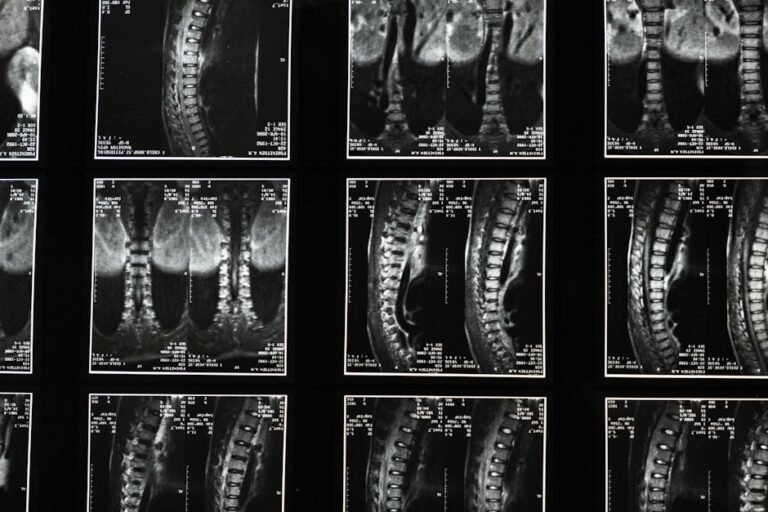
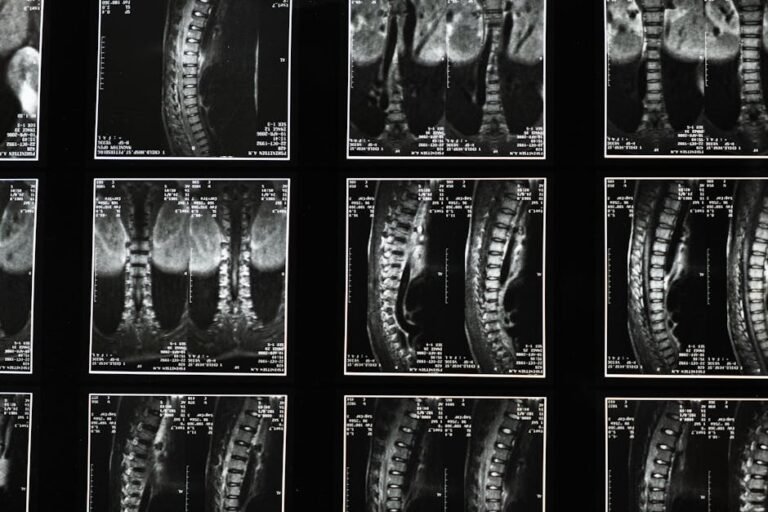
Think about everything your spine quietly does for you before you’ve even finished your morning coffee. It holds you upright while you shuffle to the kitchen, lets you twist to grab your mug from the shelf, and absorbs the gentle thud of every step you take. Most of us barely give it a second thought — until the day it starts talking back with a dull ache, a sharp twinge, or that unsettling tingle radiating down a leg. Your spine is one of the most sophisticated structures in the human body, and when it’s working well, life flows easily. When it isn’t, even the smallest tasks can feel overwhelming. The good news? Understanding your spine as a whole, interconnected system — and knowing how manual therapy can help restore its natural balance — puts you firmly in the driver’s seat of your own spinal health.
Why Your Spine Is So Much More Than a Stack of Bones
Many people picture the spine as something like a fixed pillar — strong, solid, and largely static. In reality, it’s closer to a master acrobat performing a constant, elegant balancing act. Your spine has two seemingly contradictory jobs happening at the same time, every second of every day. First, it needs rock-solid stability: the ability to bear your body weight, shield your delicate spinal cord and nerves, and serve as a firm anchor for dozens of muscles. Second, it needs impressive mobility: the freedom to bend forward, arch back, rotate side to side, and do every combination in between. Getting both right simultaneously is a remarkable feat of natural engineering.
This stability-mobility balance is what allows you to move through life comfortably and confidently. When it’s well maintained, you barely notice your spine is there. But when something throws it off — whether that’s a sudden injury, years of sitting at a desk with poor posture, repetitive movements at work, or simply the gradual changes that come with aging — the whole system can start to struggle. A joint that’s too stiff robs you of mobility. A muscle group that’s too weak undermines stability. And because everything in your spine is connected, a problem in one area rarely stays put; it tends to ripple outward, affecting neighbouring structures and sometimes triggering pain, stiffness, or neurological symptoms like tingling and numbness.
Recognising that your spine is a deeply interconnected system — bones, discs, joints, nerves, muscles, ligaments, and fascia all working together — is the foundation of truly effective spinal care. It shifts the conversation away from “what hurts?” toward the more useful question of “why is this happening, and what does my spine need to function at its best again?”
What Manual Therapy Actually Is (And Why It Works)
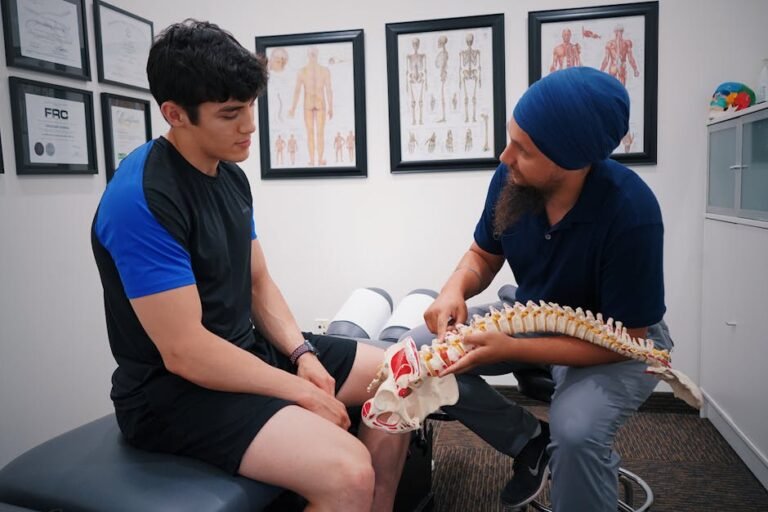
When that delicate stability-mobility balance breaks down and pain or stiffness moves in, manual therapy is one of the most powerful tools available to help restore it. At its core, manual therapy is a hands-on, clinically guided approach to assessing and treating problems within your body’s tissues and joints. It’s not guesswork or generic massage — it’s a precision-driven discipline used by physical therapists, chiropractors, osteopaths, and other qualified practitioners who have spent years learning exactly how the spine moves, where it gets stuck, and how to encourage it back toward healthy function.
What makes manual therapy so effective is the variety of techniques a skilled practitioner can draw on, each one targeting a specific aspect of spinal dysfunction. Spinal manipulation involves a quick, carefully controlled movement applied to a spinal joint that has become stiff or restricted. You may have heard the satisfying “pop” associated with this — that’s simply gas being released from the joint as it regains its normal range of motion. Joint mobilisation takes a gentler, slower approach: rhythmic, gradual movements that coax a stiff joint into moving more freely, like working oil into a rusty hinge over time. Then there are soft tissue interventions, which target the muscles, tendons, ligaments, and the web of connective tissue called fascia that surrounds your spine. These techniques can release chronic muscle tension, ease spasms, improve circulation, and restore the flexibility your supporting structures need to do their job properly.
Each of these tools addresses a different piece of the puzzle — mechanical restrictions, nerve irritation, or the physiological changes that accumulate in painful tissues. And in the right hands, combining them thoughtfully can produce results that go well beyond temporary pain relief.
The Integrated Approach: Treating Your Whole Spine, Not Just Your Symptoms
One of the most important things to understand about modern manual therapy is that it isn’t about applying one technique and calling it done. The practitioners who get the best results are those who view the spine as the complex, layered system it truly is. A stiff joint doesn’t exist in isolation. It’s surrounded by muscles that may have tightened in response to it, nerves that may be irritated because of it, and movement patterns that may have shifted to compensate for it. Treating only the joint while ignoring everything else is like fixing a leak in one pipe while leaving the rest of the plumbing untouched.
An integrated manual therapy approach means your practitioner is thinking about all of these layers simultaneously. They’ll assess how your joints move, how your muscles are functioning, whether your nervous system is sending and receiving signals efficiently, and how your brain is interpreting and responding to pain. From there, they’ll build a plan that combines whichever techniques are most appropriate for your specific situation — perhaps mobilisation to free up a stiff segment, soft tissue work to release a chronically tight muscle group, and specific guidance on movement and exercise to reinforce the improvements made during your session.
This holistic lens allows manual therapy to achieve something quite profound: it helps your body rediscover its own natural capacity to move freely and without pain. The goal isn’t to create dependency on treatment — it’s to restore your spine’s stability-mobility equilibrium and give you the tools, knowledge, and body awareness to maintain it. That’s a genuinely empowering outcome, and one that many people who’ve struggled with persistent back or neck pain find genuinely life-changing.
What You Can Do Every Day to Support Your Spine
Professional manual therapy is incredibly valuable when your spine needs help, but it works best as part of a broader approach to spinal health that includes smart daily habits. The choices you make between appointments — how you sit, move, exercise, and rest — have a significant cumulative impact on how well your spine functions. The following practical strategies are grounded in the same principles that guide good spinal rehabilitation: keep the system moving, keep it strong, and keep it flexible.
- Break up prolonged sitting or standing. Your spine wasn’t designed to hold one position for hours at a time. Set a timer to move every 20–30 minutes — even a short walk down the hallway or a gentle stretch at your desk can make a real difference.
- Move gently and regularly. Low-impact activities like walking, swimming, and cycling are particularly spine-friendly. They keep your joints lubricated, your muscles active, and your circulation flowing — all of which support spinal health without adding excessive load.
- Strengthen your core. Your core muscles — the deep abdominals, back muscles, and hip stabilisers — act as a natural support corset for your spine. Exercises like the plank, the bird-dog, and gentle modified crunches build the strength your spine needs to stay stable under load.
- Stretch regularly. Flexible muscles and mobile joints help maintain your spine’s range of motion and prevent the stiffness that can accumulate over time. Gentle flexion, extension, and rotation movements are all beneficial — yoga and Pilates are excellent structured options if you enjoy guided practice.
- Be mindful of your posture. When sitting, aim for feet flat on the floor, a supported lower back, and relaxed shoulders. When lifting, bend at the knees, engage your core, and keep the object close to your body rather than reaching forward with a rounded back.
- Listen to your body’s signals. Occasional mild discomfort after activity is normal, but persistent pain, stiffness, or neurological symptoms like tingling or numbness deserve professional attention. Early intervention consistently leads to better outcomes than waiting for things to get worse.
- Seek the right professional. If you’re dealing with ongoing spinal pain or limited movement, a qualified physical therapist, chiropractor, or osteopath can assess your spine properly and create a personalised plan — including manual therapy where appropriate — tailored to your needs.
Knowing When to Seek Help for Spinal Pain
One of the most common mistakes people make with spinal pain is waiting too long before getting help. It’s tempting to hope that a nagging backache will simply resolve on its own — and sometimes it does. But chronic discomfort, recurring episodes of pain, or symptoms that are getting progressively worse are all signs that your spine needs more than rest and over-the-counter painkillers. These are signals that something in the stability-mobility balance has shifted and needs professional attention to be properly addressed.
Certain symptoms should prompt you to seek help sooner rather than later. Pain that radiates down your arms or legs, weakness in your limbs, persistent tingling or numbness, or any bowel and bladder changes alongside back pain all warrant prompt medical evaluation. For the more common presentations — ongoing lower back pain, neck stiffness, mid-back tension, or limited range of motion — a consultation with a manual therapy practitioner is an excellent starting point. They’ll conduct a thorough assessment to identify what’s driving your symptoms and whether manual therapy, exercise therapy, or a combination of both is the most appropriate path forward.
It’s also worth noting that manual therapy is not a standalone cure. The most effective practitioners will always pair their hands-on work with education — helping you understand why your spine is struggling and what you can do to support it between sessions. This collaborative, empowering approach is what transforms short-term pain relief into lasting spinal health.
Building a Long-Term Relationship with Your Spine
There’s a tendency in our culture to treat the spine as something to ignore until it breaks down, and then to “fix” it as quickly as possible and move on. But the people who enjoy the best long-term spinal health are those who take an ongoing, proactive interest in how their spine is doing — not obsessively, but with the same kind of regular, thoughtful attention you might give any important relationship. That means moving well every day, keeping your supporting muscles strong, addressing stiffness before it becomes pain, and seeking professional guidance when something doesn’t feel right.
Manual therapy plays a valuable role in this long game. For some people, a short course of treatment is enough to resolve an acute issue and restore normal function. For others — particularly those managing chronic conditions or significant structural changes — periodic “maintenance” sessions with a trusted practitioner can help keep the spine moving well and prevent setbacks. Neither approach is better than the other; what matters is finding the rhythm that keeps your spine functioning at its best for your life, your activities, and your body.
Your spine is, quite literally, the backbone of everything you do. Treating it as the complex, intelligent system it is — rather than a collection of parts to be individually fixed — opens the door to a whole new level of physical wellbeing. With the right combination of professional manual therapy and smart daily habits, restoring and maintaining your spine’s stability-mobility balance is absolutely within reach.
The Bottom Line: Your spine is a beautifully complex system that needs both stability and mobility to keep you moving comfortably through life. When that balance is disrupted by injury, poor posture, or the effects of time, manual therapy — including spinal manipulation, joint mobilisation, and soft tissue techniques — offers a powerful, evidence-informed way to restore normal function. The most effective approach treats the whole spine as an interconnected system rather than chasing individual symptoms. Paired with consistent daily habits like regular movement, core strengthening, and good posture, manual therapy can help you reclaim freedom of movement, reduce pain, and build the kind of long-term spinal resilience that supports a full, active life.
This is not medical advice. Consult your healthcare provider before starting any new health routine or using any product mentioned here.
Watch the Full Video
Recommended Products
As an Amazon Associate we earn from qualifying purchases at no extra cost to you.
- TruContour Lumbar Pillow for Sleeping — Adjustable Height Lower Back Support — $39.99
- Branfit Shoulder and Back Brace Posture Corrector — Breathable Posture Trainer f — $24.99
- Posture Corrector for Women and Men — Comfortable Effective Brace for Shoulder a — $22.99
- Bodywellness Posture Corrector for Men and Women — Adjustable Back Straightener — $19.99
- ComfiLife Lumbar Support Pillow for Sleeping — Memory Foam Triangle Wedge Pillow — $34.99