
Restoring Spinal Function: What You Need to Know About Modern Spine Surgery
This post contains affiliate links. As an Amazon Associate, I earn from qualifying purchases at no extra cost to you.
Free resources — no credit card required for trial
🎧 Listen to health & wellness audiobooks free for 30 days
Start 30-Day Free Trial →
📚 Read unlimited health books free for 30 days
Try Kindle Unlimited Free →
Your spine does something extraordinary every single day — it holds you upright, keeps you moving, and protects the network of nerves that connects your brain to every part of your body. Most of us don’t give it a second thought until something goes wrong. And when it does, life can change dramatically and fast. Whether you’re dealing with persistent back pain, numbness radiating down your leg, or a more serious spinal condition, understanding how modern spine surgery can restore spinal function might be the most important thing you read today. This post breaks it all down in plain language, so you can feel informed, empowered, and ready to make the best decisions for your health.
Why Your Spine Is So Remarkable — and So Vulnerable
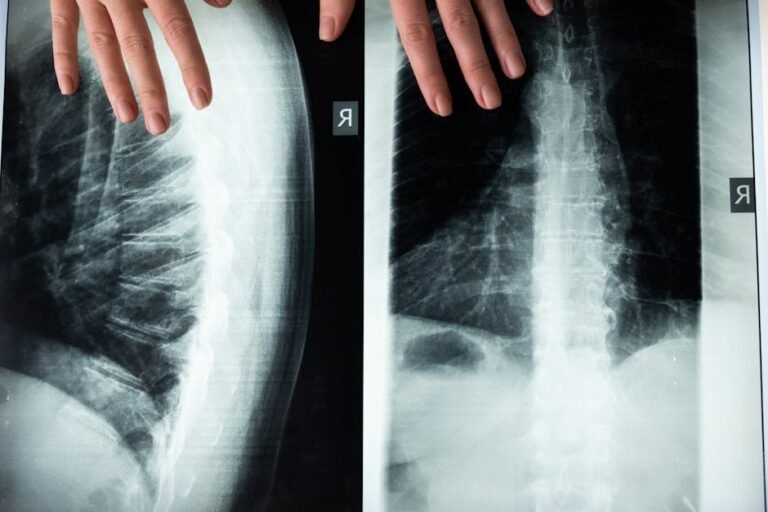
Think of your spine as the central highway of your body. It’s a beautifully engineered column of 33 vertebrae (bones), each one cushioned by soft, gel-like discs that absorb shock and allow you to bend, twist, and move freely. Running right through the middle of it all is your spinal cord — a bundle of nerves so critical that without it, your brain couldn’t communicate with your legs, arms, organs, or skin. It’s what lets you feel a warm shower, kick a football, or even breathe properly.
But as incredible as this structure is, it’s also under constant pressure. Every time you sit at a desk, lift a heavy bag, or simply stand upright, your spine is working hard. Over years and decades, this relentless workload — combined with factors like age, genetics, posture habits, and lifestyle — can take a toll. Conditions such as herniated discs (where that soft cushioning material bulges out of place) and spinal stenosis (a narrowing of the spinal canal that squeezes the nerves) are among the most common results of this wear and tear.
Then there are injuries. A bad fall, a car accident, or a sports collision can cause fractures or dislocations that happen in an instant. Less commonly, some people are born with structural differences in their spines, or develop tumours that affect spinal integrity. All of these issues share one thing in common: when they become serious, they don’t just cause pain — they can cause numbness, tingling, muscle weakness, difficulty walking, and in severe cases, loss of bladder or bowel control. These aren’t minor inconveniences. They’re signs that the spine’s ability to do its job is being seriously compromised.
The Role of Conservative Treatment Before Considering Spine Surgery
Here’s something reassuring: the vast majority of spinal conditions never require surgery. Before any surgeon picks up a scalpel, the standard approach is to give your body every possible chance to heal on its own, supported by targeted, evidence-based therapies. This is what healthcare providers call “conservative management,” and for many people, it works remarkably well.
Conservative treatment for spine problems typically involves a combination of approaches tailored to your specific situation. Physical therapy is usually front and centre — a skilled physiotherapist will guide you through exercises that strengthen the muscles supporting your spine, improve your flexibility, and correct postural habits that might be making things worse. Medications, whether over-the-counter anti-inflammatories or prescription muscle relaxants, can help take the edge off pain and make movement more manageable. For more stubborn or severe pain, therapeutic injections like epidural steroid injections can deliver powerful anti-inflammatory medication directly to the problem area.
Lifestyle changes also play a surprisingly significant role. Improving your workstation setup, managing your weight, quitting smoking (which actually impairs disc health and healing), and learning better movement habits can all reduce strain on the spine and support recovery. Many people find that a committed, consistent approach to these methods gives them their life back without ever needing an operation. However, when conservative treatment has been genuinely tried and has failed to provide adequate relief — or when there’s a real, urgent risk of permanent nerve damage — surgery becomes not just an option, but sometimes the most responsible path forward.
How Modern Spine Surgery Has Transformed: Precision, Safety, and Better Outcomes
If the word “spinal surgery” makes your stomach drop, you’re not alone. For many people, it conjures up images of long, dangerous operations with lengthy recoveries and uncertain results. But the reality of spine surgery in the 21st century is very different from that picture — and understanding those differences can genuinely change how you feel about it.
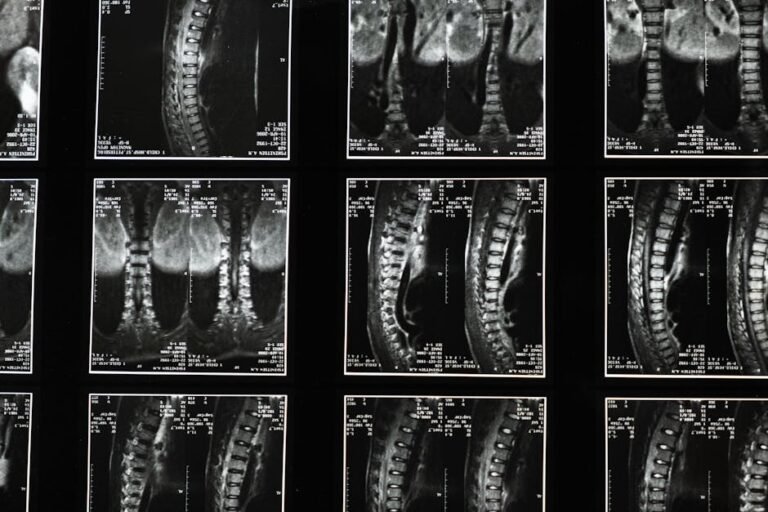
Over the past few decades, the field of spinal surgery has undergone a remarkable transformation. Advanced imaging technology — particularly high-resolution MRI and CT scans — now gives surgeons extraordinarily detailed, three-dimensional views of the spine before a single incision is made. This means surgical planning can be precise down to the millimetre, reducing surprises in the operating theatre and improving outcomes for patients.
One of the biggest game-changers has been the rise of minimally invasive surgical techniques. Rather than large, open incisions that cut through significant amounts of muscle tissue, many spine procedures can now be performed through very small openings, using specialised instruments, microscopes, and endoscopes. The practical benefits for patients are significant: less disruption to surrounding tissues, reduced blood loss, shorter hospital stays, and faster recovery times. It’s not uncommon for patients to go home within a day or two of certain procedures that would once have meant a week in hospital.
Modern implants and hardware have also advanced enormously. Today’s screws, rods, and spinal fusion devices are engineered with incredible precision and designed to be highly compatible with the human body — many are even customised to match individual patient anatomy. During surgery itself, specialised neuromonitoring teams often track nerve function in real-time, providing an additional safety net to help surgeons protect critical neural structures throughout the procedure. Add to all of this improved anaesthesia, better post-operative pain management, and structured rehabilitation programs, and you have a field that is genuinely producing safer operations and more predictable, positive results than ever before.
Common Types of Spinal Surgery and What They Aim to Achieve
While every patient’s situation is unique, there are a handful of surgical approaches that spine specialists commonly turn to when conservative treatment hasn’t been enough. Understanding the goals of these procedures — even in general terms — can help you have more informed conversations with your medical team.
Decompression surgery is one of the most frequently performed spinal operations. The aim is exactly what it sounds like: relieving pressure on the spinal cord or nerve roots that is causing pain, weakness, or other symptoms. A discectomy, for example, removes the portion of a herniated disc that is pressing on a nerve. A laminectomy removes part of the vertebra to widen the spinal canal in cases of stenosis. These procedures can bring dramatic relief to people who have been struggling with debilitating leg or arm pain caused by nerve compression.
Spinal fusion surgery takes a different approach. Here, the goal is to permanently join two or more vertebrae together, eliminating the painful movement between them. This is commonly used for conditions like degenerative disc disease, spondylolisthesis (where one vertebra slips forward over another), or after certain injuries and deformity corrections. Modern fusion techniques use bone grafts, implants, and hardware to hold everything in place while the bones heal and fuse together over time.
For some patients, particularly those with spinal deformities like scoliosis or kyphosis, more complex reconstructive surgery may be needed to realign the spine and restore its natural curvature. And in cases involving spinal tumours — whether primary growths or cancer that has spread to the spine — surgical intervention may focus on removing or reducing the tumour to relieve pressure, stabilise the spine, and preserve as much neurological function as possible. In all of these scenarios, the unifying goal is the same: restore spinal function, relieve suffering, and help you get back to living your life.
What You Can Do: Practical Tips for Navigating Your Spinal Health Journey
Whether you’re just starting to explore your options or already considering surgery, being an active, informed participant in your own care makes a real difference. Here are some practical steps you can take to navigate this journey with confidence:
- Ask all the questions. There’s no such thing as a silly question when it comes to your spine. Ask your doctor to explain your diagnosis clearly, outline all treatment options (surgical and non-surgical), and walk you through potential risks and expected outcomes. If something isn’t clear, ask again.
- Give conservative treatment a genuine chance. Before moving toward surgery, make sure you’ve fully explored and committed to the non-surgical options your healthcare team has recommended. Physical therapy, in particular, works best when followed consistently over time.
- Seek a second opinion. For any significant spinal condition, getting a second opinion from another spine specialist is not only sensible — it’s encouraged. It can confirm your diagnosis, open up new perspectives, and give you greater confidence in whatever path you choose.
- Be honest about your lifestyle and goals. Tell your doctor about your job, your hobbies, how active you want to be, and what daily activities matter most to you. The best treatment plan is one that fits your real life, not a generic template.
- Prepare your body before surgery. If you do proceed with an operation, ask your surgical team about “pre-habilitation” — exercises and nutritional strategies you can start beforehand to optimise your strength and recovery potential.
- Lean on your support network. Recovery from spinal surgery takes time and help. Talk to your family or close friends in advance, so they know what to expect and can offer practical and emotional support during your recovery period.
- Follow your post-operative rehabilitation plan. Surgery addresses the structural problem, but rehabilitation is what gets your function back. Stick with your physiotherapy program, even when it’s tempting to push too hard or give up too soon.
Remember, the decision to pursue surgery is never taken lightly — by you or by your medical team. When it is recommended, it’s typically because the evidence strongly suggests it’s the best path forward for your specific situation. Modern spine surgery has given countless people back their mobility, their independence, and their quality of life.
What to Expect on the Road to Recovery
Recovery from spinal surgery is different for everyone, and the timeline depends heavily on the type of procedure you’ve had, your overall health, your age, and how well you follow your rehabilitation plan. For minimally invasive procedures, many patients are surprised by how quickly they’re up and moving — sometimes the same day. For more complex surgeries, recovery may take weeks or even months of careful, graduated activity.
Pain management in the early post-operative period has improved enormously. Modern anaesthetic and pain relief protocols aim to keep you comfortable while avoiding over-reliance on opioid medications. Your team will likely have a structured plan that transitions you from stronger medications in the early days to gentler options as healing progresses. Be open about your pain levels — there’s no benefit to suffering in silence, and good pain control actually helps you participate in rehabilitation more effectively.
Physical therapy after spine surgery is not optional — it’s essential. Your physiotherapist will guide you through a progressive program designed to rebuild strength in the muscles that support your spine, restore your range of motion, and teach you movement patterns that protect your back in the long term. Many people find that after completing their full recovery and rehabilitation, they feel better and move more freely than they have in years. That’s the real goal of restoring spinal function: not just fixing what was broken, but helping you thrive.
The Bottom Line: Your spine is one of the most important structures in your body, and when it’s not working properly, the impact on your daily life can be profound. The good news is that modern spine surgery has never been more precise, more effective, or more focused on getting you back to the life you love. Whether you’re weighing up your options, exploring conservative treatments, or considering surgical intervention, the key is to stay informed, ask the right questions, and work closely with a qualified medical team. Restoring spinal function is a journey — but with the right support and the remarkable tools available today, it’s a journey that many people complete with life-changing results.
This is not medical advice. Consult your healthcare provider before starting any new health routine or using any product mentioned here.