Global Movers and Deep Stabilizers: The Muscle Teamwork Behind a Strong, Pain-Free Back
This post contains affiliate links. As an Amazon Associate, I earn from qualifying purchases at no extra cost to you.
Free resources — no credit card required for trial
🎧 Listen to health & wellness audiobooks free for 30 days
Start 30-Day Free Trial →
📚 Read unlimited health books free for 30 days
Try Kindle Unlimited Free →
Have you ever wondered why two people can do the same workout, yet one ends up with a nagging backache while the other feels fantastic? The answer often comes down to something most of us never think about: the hidden teamwork happening deep inside your back and core. Your spine depends on two distinct groups of muscles — known as global movers and deep stabilizers — working in perfect harmony to keep you upright, pain-free, and moving well. Understanding this relationship is genuinely one of the most empowering things you can do for your long-term spinal health. Once you grasp how these muscle teams work together, you’ll have the blueprint to build a stronger, more resilient back — no fancy equipment or extreme workouts required.
Your Spine Is More Than Just Bones — Meet Your Muscle Teams
Picture your spine as a magnificent, dynamic tower — not a rigid pole, but a flexible, living structure that supports every step you take, every twist you make, and every bag of groceries you lift. It’s an engineering marvel designed to balance two seemingly opposite demands: allowing a huge range of movement while simultaneously protecting the delicate nerves running through it. To pull off this impressive feat, your spine relies on a sophisticated network of muscles that can be divided into two main categories.
The first group is your global movers. These are the bigger, more powerful muscles that sit closer to the surface of your body. They’re the “action heroes” — the muscles you can actually feel working when you bend forward, arch back, rotate your torso, or haul something heavy. They generate significant force across multiple sections of your spine and are responsible for the large, dynamic movements that get things done. When they’re strong and coordinated, you move with power and fluidity.
The second group is your deep stabilizers. Think of these as the quiet architects working behind the scenes. They’re smaller, positioned closer to the spine itself, and their job is far more subtle but equally important. Rather than creating big movements, they provide a steady, precise foundation — keeping each individual spinal segment stable and protected, especially during motion. Here’s the fascinating part: your deep stabilizers are supposed to kick in before you even begin a movement, automatically bracing your spine in anticipation. Think of reaching down to pick up a box. Ideally, your deep stabilizers activate first, creating a solid base, and then your global movers step in to do the heavy lifting. That sequence matters enormously.
The Erector Spinae: The Muscle Group That Does Double Duty
Of all the muscles involved in spinal health, the erector spinae deserves a special mention — mainly because most people have never heard of it, yet it’s working for you every single day. This isn’t just one muscle; it’s a group of muscles running vertically along both sides of your spine, stretching all the way from your pelvis up to your skull. They are substantial and powerful, which makes them classic global movers.
When your erector spinae muscles contract together, they help you extend your spine — think of the motion of standing up straight after bending forward, or gently arching backward. When one side engages more than the other, they assist with side bending. They also play a huge role in resisting gravity throughout the day, helping you maintain an upright posture when you’re sitting at a desk, standing in a queue, or walking to the car.
But here’s what makes the erector spinae particularly interesting: they also contribute meaningfully to dynamic stability. In other words, they’re not purely about generating big movements. They’re constantly working to maintain the natural curves of your spine and to prevent excessive or uncontrolled motion during everyday activities. This dual role — part global mover, part stabilizer — makes them a bridge between the two muscle teams. A well-conditioned erector spinae group is fundamental to good posture, injury prevention, and the kind of back strength that actually serves you in real life.
If you’ve ever noticed yourself slumping forward after sitting for a while, or felt your lower back aching after a long day on your feet, there’s a good chance your erector spinae could use some attention. The good news is that targeted, consistent exercise can make a real difference.
Why Muscle Teamwork Makes or Breaks Your Spinal Health
Understanding that you have two muscle teams is helpful, but the real insight is appreciating why their teamwork matters so much. When global movers and deep stabilizers are working in sync, the result is something almost beautiful — powerful, fluid movement that feels effortless, with your spine protected at every stage. When that coordination breaks down, though, problems tend to follow.
Here’s a useful analogy: imagine your global movers as a powerful car engine. Now imagine trying to drive that engine without a stable chassis or reliable steering. All that power becomes dangerous. Without proper support and control, even a strong engine leads to a bumpy, erratic, and potentially damaging ride. The same is true for your back. If your deep stabilizers aren’t engaging properly — perhaps because they’ve been weakened by inactivity, injury, or poor movement habits — your global movers are left to compensate. They end up taking on loads they weren’t designed for, putting extra strain on your spinal joints, ligaments, and discs. Over time, this compensation pattern is a recipe for pain and injury.
The flip side is equally important: when your deep stabilizers are doing their job well, your global movers can focus entirely on generating power and range of motion without also having to worry about keeping everything stable. The whole system becomes more efficient, more resilient, and frankly more capable. This is exactly why a truly effective approach to spinal health means training both muscle groups — not just chasing bigger, stronger superficial muscles while ignoring the subtle but critical work happening deeper within.
Practical Tips: What You Can Do to Support Both Muscle Teams
The encouraging news is that you don’t need to be a professional athlete or spend hours in a gym to improve the relationship between your global movers and deep stabilizers. Small, consistent changes to how you move and exercise can add up to a dramatically stronger, more comfortable back over time. Here are some genuinely practical steps to get started:
- Embrace whole-body movement: Activities like yoga, Pilates, swimming, and dynamic strength training with free weights naturally challenge both your global movers and your deep stabilizers. They require coordinated, multi-muscle effort — exactly the kind of teamwork your spine thrives on.
- Learn to brace your core: Deep stabilizer work isn’t always about big movements. Practice gently drawing your belly button towards your spine without holding your breath — as if you’re quietly bracing for a light tap to the stomach. Practise this during everyday moments like walking, standing at the kitchen counter, or carrying bags.
- Move mindfully throughout your day: Before you lift something, bend down, or even shift positions in your chair, take a split second to engage your core first. This simple habit encourages your deep stabilizers to activate in the right sequence, rather than leaving your larger back muscles to handle everything alone.
- Add stability-focused exercises to your routine: Think about movements that ask you to hold a position against gravity, or to move a limb slowly and deliberately while keeping your torso completely still. These types of exercises are particularly effective at waking up and strengthening those deeper stabilizing muscles.
- Prioritise form over intensity: If you’re new to exercise or returning after a period of back pain, start with manageable loads and focus entirely on good technique. Building spinal resilience is a long game — consistent, well-executed movement beats sporadic intense sessions with poor form every time.
- Work on your posture actively: Posture isn’t just about “sitting up straight.” It’s a form of active muscle engagement. When you consciously maintain good alignment while sitting, standing, or walking, you’re actually training your spinal support muscles throughout the day without any formal exercise at all.
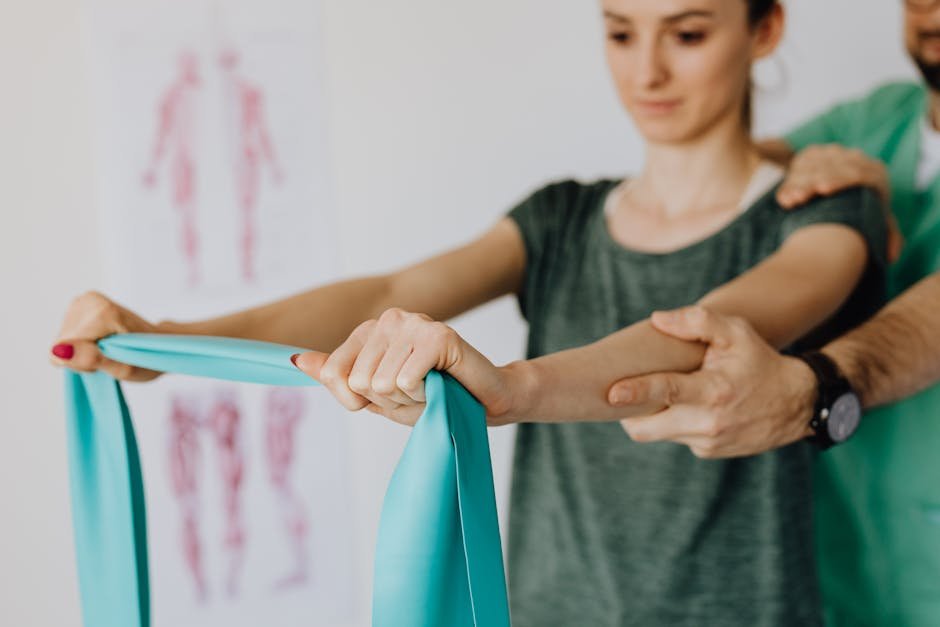
- Get professional guidance if you need it: If you have a history of back pain, chronic discomfort, or a specific health condition, a qualified physical therapist or certified personal trainer can assess your individual movement patterns and design a programme that addresses your specific needs safely and effectively.
Even picking two or three of these habits and applying them consistently can create a meaningful shift in how your back feels and performs over weeks and months.
Building a Long-Term Approach to Spinal Resilience
One of the biggest mistakes people make with back health is treating it reactively — only paying attention to their spine when something hurts. But the muscle teamwork we’ve been talking about is something that can be nurtured proactively, long before pain ever arrives. Think of it as making regular deposits into a long-term health account. The more you invest in balanced, functional spinal strength now, the greater your reserves when life demands more from your body.
The science and practice of spinal health consistently points to one clear conclusion: a well-rounded strengthening programme that targets both global movers and deep stabilizers is the most effective way to prevent injury, reduce existing discomfort, and enhance overall physical performance. This isn’t about achieving a particular look or hitting a fitness milestone. It’s about building the kind of functional strength that makes everyday life — carrying children, gardening, sitting through long meetings, going for walks — feel genuinely good.
It’s also worth noting that this is a gradual process. Deep stabilizer muscles, in particular, often need to be patiently re-educated, especially if you’ve spent years relying too heavily on your larger global muscles to do all the work. Progress might feel subtle at first, but over time, the improvements in how your back feels and moves can be quite dramatic. Be patient with yourself, celebrate small wins, and remember that consistency truly is everything.
When to Seek Professional Support for Your Back
While the principles in this post are grounded in evidence-informed approaches to spinal health, it’s important to acknowledge that everyone’s back is different. What works brilliantly for one person may need to be modified for another. If you’re currently experiencing acute back pain, have been diagnosed with a specific spinal condition, or have recently had surgery, it’s essential to speak with a healthcare professional before beginning any new exercise programme.
A qualified physical therapist, in particular, is an excellent resource for spinal health. They can identify exactly where your muscle balance might be off, which specific muscle groups need more attention, and how to progress your training safely. They can also help you understand whether the pain you’re feeling is something that responds well to therapeutic exercise or something that requires further investigation. There’s no shame in asking for expert help — in fact, getting professional guidance is one of the smartest things you can do for your long-term back health.
Your GP or medical specialist is also always a good first port of call if you’re experiencing new, severe, or unexplained back pain. Getting the right assessment early can save you a great deal of discomfort and guesswork down the line.
The Bottom Line: Your spine depends on two incredible muscle teams — the powerful global movers and the intricate deep stabilizers — working in seamless coordination to keep you strong, stable, and pain-free. Understanding and nurturing this partnership isn’t just about preventing back pain; it’s about unlocking a greater capacity for movement, strength, and vitality in everyday life. By moving mindfully, training consistently, and seeking support when you need it, you can invest in the kind of spinal health that pays dividends for years to come. Your back does a remarkable job for you every single day — it’s absolutely worth looking after.
This is not medical advice. Consult your healthcare provider before starting any new health routine or using any product mentioned here.