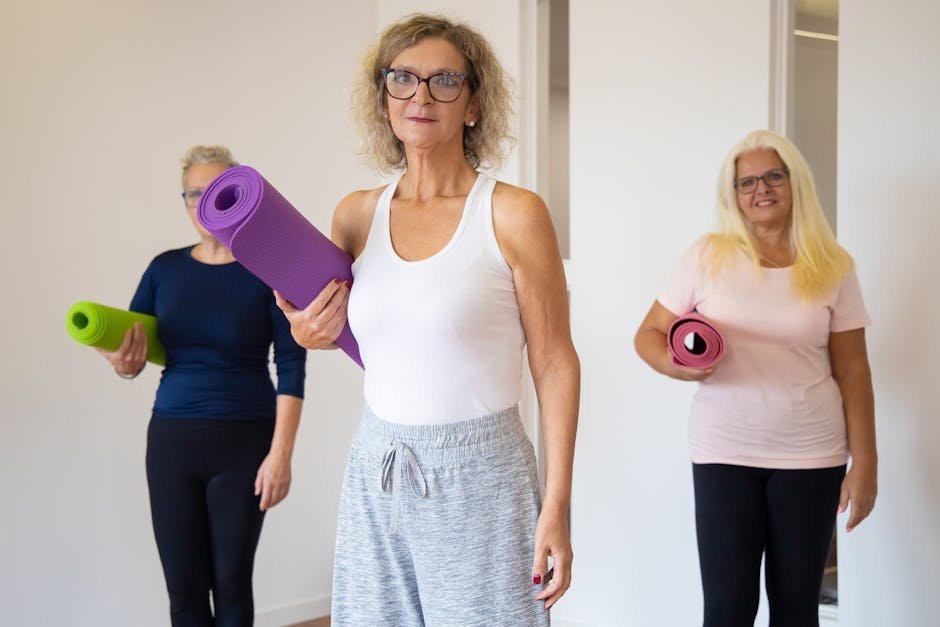
10-Minute Yoga Flow for Seniors: A Gentle Daily Routine to Boost Balance, Flexibility, and Calm
This post contains affiliate links. As an Amazon Associate, I earn from qualifying purchases at no extra cost to you.
Free resources — no credit card required for trial
🎧 Listen to health & wellness audiobooks free for 30 days
Start 30-Day Free Trial →
🛒 Recommended Products
As an Amazon Associate we earn from qualifying purchases at no extra cost to you.
TheraBand First Step to Active Health Kit — Senior Exercise Program for Balance and Fall P
$19.99
EZ Off Jar Opener for Seniors — Under Cabinet Jar Opener for Weak Hands and Arthritis
$9.99
Omron 5 Series Upper Arm Blood Pressure Monitor — 2-User 100-Reading Memory Wide-Range Cuf
$44.99
OMRON 7 Series Wireless Wrist Blood Pressure Monitor — Clinically Validated with Connect A
$69.99
Vitality 4 Life Senior Resistance Band with Instruction Guide — Specifically for Elderly F
$16.99
📚 Read unlimited health books free for 30 days
Try Kindle Unlimited Free →
If you’ve been thinking about trying yoga but aren’t sure where to start — or you’ve tried it before and found it too intense — you’re in the right place. This 10-minute yoga flow for seniors is designed with real life in mind: gentle movements, a sturdy chair for support, and no fancy equipment required. Whether you’re brand new to yoga or returning after a long break, this short daily practice can help you feel steadier on your feet, less stiff in the mornings, and genuinely more at ease in your body. The best part? Ten minutes is all it takes to start experiencing the benefits.
Why Yoga Is One of the Best Things Seniors Can Do for Their Health
Yoga often gets dismissed as something for young, flexible people — but that couldn’t be further from the truth. For older adults especially, regular gentle movement like yoga can make a meaningful difference in everyday life. It supports balance and coordination, which helps reduce the risk of falls. It gently improves flexibility and joint comfort, making everyday tasks like reaching, bending, and walking feel easier. And it has real benefits for the mind too — calming the nervous system, supporting better sleep, and lifting mood.
What makes yoga particularly well-suited for seniors is its adaptability. Every single pose in this routine can be modified to suit your body on any given day. Feeling a little stiff? Stay seated. Having a wobbly day? Keep one hand on the chair. Yoga meets you where you are, and that’s one of the reasons it’s such a powerful tool for senior self-care. The goal isn’t to twist yourself into a pretzel — it’s to move mindfully, breathe deeply, and take good care of the body you have right now.
Even just a few weeks of consistent practice can bring noticeable changes: better posture, improved circulation, calmer breathing, and a greater sense of confidence in your movements. Those small changes add up to a big difference in quality of life.
Before You Begin: Safety Tips for Senior Yoga
Before jumping into the flow, let’s talk about staying safe. This is a gentle, low-impact routine — but a few simple precautions make it even more beneficial and enjoyable. First and most importantly, if you have any medical conditions, have had recent surgery, or experience pain that doesn’t improve with rest, please check in with your healthcare provider before starting. This is especially important if you have osteoporosis, heart conditions, or significant joint issues.
During the practice itself, move slowly and never push into pain. A gentle stretch — the kind that feels mild and tolerable — is all you need. If something feels sharp, uncomfortable, or causes dizziness, stop and rest. Keep a sturdy chair nearby (ideally placed against a wall for extra stability) and wear comfortable clothing with non-slip shoes. Practise on a mat or carpet if you’ll be doing any floor-based movements, and keep a water bottle close by.
Here’s a good rule of thumb: breathe steadily throughout every movement. Holding your breath is a common habit when concentrating, but in yoga, your breath is your guide. If your breathing becomes strained or laboured, you’re working too hard — ease back and find a gentler version of the movement. Slow, natural breathing keeps your joints protected and your nervous system calm.
Your 10-Minute Senior Yoga Flow: Step-by-Step
This routine is made up of ten gentle moves, each lasting roughly one minute. You’ll need a sturdy chair (with a back, placed against a wall if possible), comfortable clothing, and a water bottle. A yoga strap, scarf, or small cushion can be helpful but are entirely optional. Follow the moves in order, and use a seated or supported version of any movement that doesn’t feel quite right on a given day.
Minutes 0–1: Breath and Posture. Sit tall in your chair with feet flat on the floor and hips near the edge of the seat. Rest your hands on your thighs. Breathe in slowly through your nose, letting your belly rise gently, then exhale through your nose. Imagine a gentle string at the crown of your head lifting your spine tall. Relax your shoulders away from your ears. This simple opening sets a calm tone and prepares your body for movement.
Minutes 1–2: Neck and Shoulder Mobility. Gently tilt your head toward your right shoulder, hold for a breath, then return to centre and repeat on the left. Follow with 4–6 slow shoulder rolls — lifting shoulders toward your ears on the inhale and rolling them back and down on the exhale. This releases tension that builds up in the neck and upper back, especially if you spend time reading, watching TV, or working at a screen.
Minutes 2–3: Seated Cat-Cow. Place your hands on your knees. As you inhale, gently lift your chest and draw your shoulder blades together (Cow). As you exhale, round your spine and tuck your chin slightly (Cat). Move with your breath for 4–6 slow cycles. This warms up the entire spine beautifully and is one of the most beneficial movements for back comfort and mobility.
Minutes 3–4: Seated Side Stretch. Inhale and raise your right arm overhead, then exhale and gently lean to the left, keeping your chest open and your side long. Hold for 2–3 breaths, then rise back to centre. Repeat on the other side. This lengthens the muscles along your ribs and waist, and actually supports better breathing capacity over time.
Minutes 4–5: Seated Twist. Sit tall and place your right hand on the back of the chair and your left hand on your right knee or thigh. Inhale to lengthen your spine, then exhale and gently rotate to the right. Keep shoulders relaxed. Hold for 3–4 breaths and repeat on the left. Twists support spinal mobility and are also wonderful for digestion and circulation.
Minutes 5–6: Leg Lifts and Ankle Circles. Extend your right leg a few inches forward and slowly point and flex your foot. Then circle your ankle 4–6 times in each direction. If lifting the leg is uncomfortable, simply keep both feet on the floor and circle the ankles from there. Switch sides. This keeps the knees and ankles supple and gets the blood moving in your legs.
Minutes 6–7: Standing Chest Opener. Stand behind your chair with both hands resting lightly on the back for support. Draw your shoulder blades gently together and lift your chest slightly — a very mild backbend. Hold for 3–4 breaths. If standing is uncomfortable today, stay seated and simply lift your chest and lengthen your spine from the chair.
Minutes 7–8: Standing Forward Bend. Stand facing the chair with a slight bend in your knees. Hinge gently from your hips and lean forward, letting your hands rest on the chair seat or back for support. Keep your spine long. Breathe for 3–4 counts, then slowly rise back up, stacking the spine one vertebra at a time. A seated version works perfectly here too — simply place your hands on your thighs and hinge gently forward.
Minutes 8–9: Seated Hip Opener (Figure Four). Sit tall and cross your right ankle over your left thigh, letting the knee open gently to the side. Hold for 3–4 breaths, then switch sides. If this feels too intense, try a seated butterfly instead: bring the soles of your feet together, let your knees fall open, and gently lean forward from the hips. Hip mobility is directly connected to walking comfort, so this is a wonderfully practical stretch.
Minutes 9–10: Gentle Finish and Relaxation. Sit comfortably and place one hand on your belly and one on your chest. Close your eyes if you’re comfortable and take slow, easy breaths in and out through your nose. Let the body absorb the calm of your practice. When you’re ready, wiggle your fingers and toes, open your eyes, and gently bring your attention back to the room. Take a moment to notice how you feel — you’ve just done something genuinely good for yourself.
What You Can Do: Practical Tips to Make Senior Yoga a Daily Habit
The most powerful thing about this routine is that it only takes ten minutes — and those ten minutes, done consistently, really do add up. Here are some practical ways to make this gentle yoga flow a regular part of your day:
- Schedule it like an appointment. Set a daily reminder on your phone or jot it in your planner. Treating it as a commitment makes it far more likely to actually happen.
- Pair it with something you already do. After your morning cup of tea, before your evening news programme, or right after breakfast are all great anchor points for your practice.
- Create a welcoming space. A quiet corner with good natural light, a sturdy chair, and a non-slip mat makes the practice feel inviting rather than like a chore.
- Start even smaller if needed. If ten minutes feels like a lot at first, begin with just five minutes — or even three. Any movement is better than none, and you can build gradually.
- Track small wins. Keep a simple notebook nearby and jot down a word or two after each session. “Slept better.” “Less stiff.” “Felt calm.” Seeing your progress in writing is genuinely motivating.
- Use modifications without guilt. Always choose the seated or gentler version if your body asks for it. Modifications aren’t a step backwards — they’re smart, body-aware choices.
- Be kind to yourself on hard days. Some days will feel easier than others, and that’s completely normal. Consistency over time matters far more than any single perfect session.
- Consider a supportive yoga mat or chair yoga props. A good non-slip yoga mat or a set of yoga blocks can make your practice safer and more comfortable — look for highly rated options designed specifically for seniors on Amazon.
How This Routine Supports Your Whole Body — Not Just Flexibility
It’s easy to think of yoga purely in terms of stretching, but this 10-minute flow does so much more than that. The breathing exercises in the opening and closing minutes actively calm your nervous system, helping to lower stress hormones and signal to your body that it’s safe to relax. Over time, this kind of mindful breathing can support better sleep quality and a more settled, positive mood throughout the day — benefits that go far beyond the mat.
The gentle spinal movements — like Cat-Cow, the seated twist, and the side stretch — work together to keep the vertebrae mobile and the surrounding muscles supple. A more mobile spine supports better posture, which in turn reduces strain on the hips, knees, and shoulders. Many people find that persistent aches in these areas actually improve with consistent, gentle spinal movement rather than rest alone.
And the standing moves, done safely with chair support, are particularly valuable for balance and leg strength — two of the most important factors in fall prevention for older adults. Even the simple act of standing, shifting your weight, and moving through a gentle forward bend while holding a chair builds the kind of body awareness and confidence that helps you navigate stairs, uneven ground, and everyday movements with greater ease.
The Bottom Line: This 10-minute yoga flow for seniors is a simple, practical, and genuinely effective way to support your mobility, balance, and sense of calm — starting today. You don’t need to be flexible, fit, or experienced. You just need a chair, ten minutes, and a willingness to move gently and listen to your body. Start with a few days a week and work toward a daily habit. Celebrate every small improvement, use modifications freely, and know that every single minute you spend moving mindfully is a meaningful investment in your health and independence. Your body will thank you for it.
This is not medical advice. Consult your healthcare provider before starting any new health routine or using any product mentioned here.