Asthma Management Tips for Older Adults: How to Breathe Easier and Stay in Control
This post contains affiliate links. As an Amazon Associate, I earn from qualifying purchases at no extra cost to you.
Free resources — no credit card required for trial
🎧 Listen to health & wellness audiobooks free for 30 days
Start 30-Day Free Trial →
🛒 Recommended Products
As an Amazon Associate we earn from qualifying purchases at no extra cost to you.
TheraBand First Step to Active Health Kit — Senior Exercise Program for Balance and Fall P
$19.99
EZ Off Jar Opener for Seniors — Under Cabinet Jar Opener for Weak Hands and Arthritis
$9.99
Omron 5 Series Upper Arm Blood Pressure Monitor — 2-User 100-Reading Memory Wide-Range Cuf
$44.99
OMRON 7 Series Wireless Wrist Blood Pressure Monitor — Clinically Validated with Connect A
$69.99
Vitality 4 Life Senior Resistance Band with Instruction Guide — Specifically for Elderly F
$16.99
📚 Read unlimited health books free for 30 days
Try Kindle Unlimited Free →
Asthma doesn’t stop being a concern just because you’ve grown older — in fact, for many people, it becomes more of a daily reality as the years go by. Whether you’ve lived with asthma for decades or noticed breathing difficulties for the first time later in life, you’re not alone. Millions of older adults manage asthma every day, and the great news is that with the right asthma management tips and a steady, practical plan, you really can breathe easier, stay more active, and keep flare-ups to a minimum. This guide is written for you — no medical jargon, just warm, clear, actionable advice to help you take charge of your lung health with confidence.
Why Asthma Management Tips Matter More as You Age
Asthma in older adults isn’t quite the same experience as it is in children or younger people. As we age, our airways can become drier or stiffer, which makes breathing a little harder even on good days. Add in the fact that many of us are also managing other conditions — like heart disease, arthritis, or diabetes — and the picture gets more complicated. These conditions can sometimes mask asthma symptoms, making it easy to chalk up breathlessness or a persistent cough as “just getting older.”
There’s also the practical side of things. Using an inhaler correctly requires good hand coordination and a steady breath — something that can be genuinely tricky if you have arthritis or tremors. Remembering which medicine to take when, especially if you’re managing several prescriptions, is another real challenge. These aren’t signs of weakness; they’re simply the realities of life as a senior, and they deserve practical solutions, not dismissal.
Some older adults also have a condition called asthma–COPD overlap, where symptoms of both conditions occur together. This requires a slightly different approach to treatment, which is why regular check-ins with your healthcare provider are so important. The goal isn’t perfection — it’s a simple, sustainable plan that fits your life and keeps you breathing comfortably.
Recognising Asthma Symptoms and Knowing When to Act
One of the most important asthma management tips for older adults is learning to recognise your own warning signs early — before a minor flare-up becomes a serious problem. Common symptoms include a persistent cough (especially at night or early morning), wheezing, chest tightness, and shortness of breath that doesn’t improve with rest. These symptoms often show up after a cold, during exercise, or when you step out into cold air.
A helpful habit is to do a quick daily check-in with yourself. How did you sleep? Did you wake up coughing? Did you feel short of breath doing something that usually feels easy? Noticing these patterns early gives you the chance to act before things escalate. If you’ve used your rescue inhaler and symptoms haven’t improved within the expected time frame, that’s a signal to contact your healthcare provider rather than waiting it out.
Knowing your emergency signs is equally important. Seek urgent medical help immediately if you experience severe trouble breathing, lips or fingertips turning blue, confusion, fainting, or if you can’t speak in full sentences. These are signs that your body needs professional help right away — don’t hesitate, and don’t drive yourself to the hospital in that situation if you can avoid it.
Creating Your Personal Asthma Care Plan
Having a written plan might sound overly formal, but it’s genuinely one of the most powerful things you can do for your respiratory health. Think of it as a simple road map — one you’ve created with your healthcare team — that tells you exactly what to do on good days, tricky days, and everything in between. It doesn’t need to be long or complicated; a single page works beautifully.
Start by keeping a simple symptom log. A small notebook on your bedside table, or even a calendar on your phone, is all you need. Jot down your symptoms each day, any triggers you noticed (like dust, pets, cold air, or strong smells), how often you used your rescue inhaler, and how you felt overall. Over time, this log becomes enormously useful — both for spotting patterns yourself and for giving your doctor real, accurate information at your next appointment.
Your plan should also include a clear medication checklist: every medicine you take, what it’s for (daily control or quick relief), the correct dose, and when to take it. Write out your action steps in plain language: “If I have symptoms, I’ll use my rescue inhaler. If I’m not better in 15 minutes, I’ll call my doctor.” Having this written down means you won’t have to think through it when you’re already feeling unwell and anxious.
Using Inhalers and Medications Safely and Effectively
Getting the most out of your asthma medications comes down to two things: using the right medicines at the right time, and using your inhaler with good technique. There are two main types of inhalers most people with asthma use. Quick-relief (rescue) inhalers work fast to open up your airways during sudden symptoms — think of them as your emergency tool. Daily controller medicines, such as inhaled corticosteroids, work behind the scenes to reduce inflammation and prevent symptoms from starting. It’s important never to stop your controller medicine without talking to your doctor, even if you feel completely fine — that good feeling is often because the medicine is working.
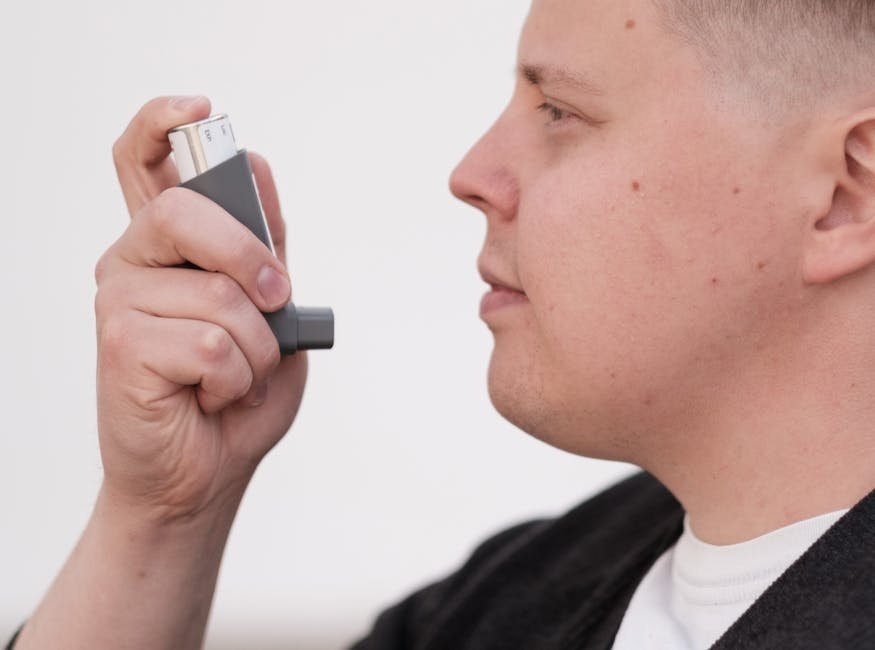
Inhaler technique matters enormously, and it’s worth refreshing your knowledge regularly. Here’s a simple routine to follow: shake the inhaler if required, remove the cap, breathe out gently, place the mouthpiece in your mouth and seal your lips around it, then breathe in slowly while pressing down to release the medicine. Continue breathing in deeply, then hold your breath for about 5 to 10 seconds before breathing out slowly. If you need a second puff, wait about 30 to 60 seconds before repeating. If you’re using a dry powder inhaler, the technique is slightly different — your pharmacist can walk you through it.
If hand coordination or arthritis makes using your inhaler difficult, ask about a spacer or holding chamber. A spacer is a simple tube that attaches to your inhaler and means you don’t have to perfectly coordinate pressing and inhaling at the same time. It also reduces the amount of medicine that stays in your mouth and throat, which lowers the chance of side effects like oral thrush. Speaking of which — always rinse your mouth with water after using an inhaled corticosteroid to prevent thrush. It’s a small habit that makes a real difference. Also, be mindful that some over-the-counter cold and allergy remedies can interact with asthma medicines, so always tell your pharmacist or doctor everything you’re taking, including supplements.
Practical Tips: What You Can Do Every Day for Better Asthma Control
The everyday choices you make at home have a surprisingly big impact on how well your asthma is controlled. Here are practical, doable steps to weave into your daily routine:
- Reduce indoor triggers: Use dust-proof covers on pillows and mattresses, wash bedding weekly in hot water, and keep indoor humidity low to discourage mold growth.
- Improve your air quality: Consider an air purifier with a HEPA filter in the rooms you spend the most time in, especially the bedroom. Replace filters as recommended by the manufacturer.
- Avoid smoke and strong fumes: Tobacco smoke, strong cleaning products, and heavy fragrances can all trigger symptoms. Keep your home well-ventilated when using any household chemicals.
- Dress for the weather: Cold air is a common asthma trigger. Wear layers and try wrapping a light scarf loosely over your mouth and nose in cold weather to warm the air before it reaches your lungs.
- Manage pets wisely: If you’re allergic to pet dander, keep pets out of the bedroom and consider bathing them regularly to reduce allergens.
- Organise your medications: Use a weekly pill organiser or a medication reminder app to stay on track with your doses. Pairing your inhaler use with a daily habit — like brushing your teeth — can help you remember.
- Stay up to date with vaccinations: Get your annual flu vaccine, and ask your doctor about pneumococcal vaccines and COVID-19 boosters. Respiratory infections are one of the most common triggers for asthma flare-ups, and vaccines are one of your best defences.
- Carry your rescue inhaler always: Keep it in your bag, pocket, or by the door — wherever you’ll always have access to it when you’re out and about.
- Ask for a demonstration: Request that your pharmacist or nurse watch you use your inhaler and give feedback. A quick technique refresher every few months can genuinely improve how much medicine reaches your lungs.
Staying Active and Working with Your Healthcare Team
It might feel counterintuitive if breathing is already a struggle, but regular, gentle exercise is genuinely good for your lungs. Physical activity helps your lungs work more efficiently, supports your heart, lifts your mood, and improves sleep quality. The key is starting gently and building up gradually. Walking, chair-based exercises, gentle yoga, or water-based activities like swimming or aqua aerobics are all excellent options for older adults. Some people find it helpful to use their rescue inhaler 10 to 15 minutes before exercise if their doctor has recommended this — check with your clinician to see if this applies to you.
Always listen to your body. Stop exercising if you experience chest pain, severe shortness of breath, dizziness, or if your lips or fingertips start turning blue. On days when your asthma feels less controlled, scale back your activity level and be kind to yourself. A gentler walk today is better than pushing through and triggering a flare-up.
Your relationship with your healthcare team is one of your most valuable asthma management resources. Schedule regular check-ins — not just when things go wrong — and bring your symptom log, your medicine list, and any concerns you’ve had since your last visit. Tell your doctor which activities matter most to you, whether that’s gardening, walking the dog, or playing with grandchildren. This helps them understand what “good asthma control” looks like for your life specifically, not just on paper. Don’t be shy about asking for plain-language explanations of your medicines, or requesting a live demonstration of how to use and clean your inhaler devices. You deserve to understand every part of your own care plan.
If you find it hard to get to appointments, or if you sometimes forget to take medications, consider asking a trusted family member or friend to help. Having someone who can assist with prescription refills, device cleaning, or just checking in on how you’re feeling can make an enormous difference to your long-term wellbeing.
The Bottom Line: Managing asthma as an older adult is absolutely possible — and it doesn’t have to be overwhelming. With a clear, personalised plan, the right inhaler technique, a few smart daily habits, and a strong partnership with your healthcare team, you can reduce symptoms, stay active, and protect your lung health for years to come. Small, steady steps add up to big improvements. Your lungs are resilient, and with the right care, you really can breathe easier and live fully — on your terms.
This is not medical advice. Consult your healthcare provider before starting any new health routine or using any product mentioned here.