
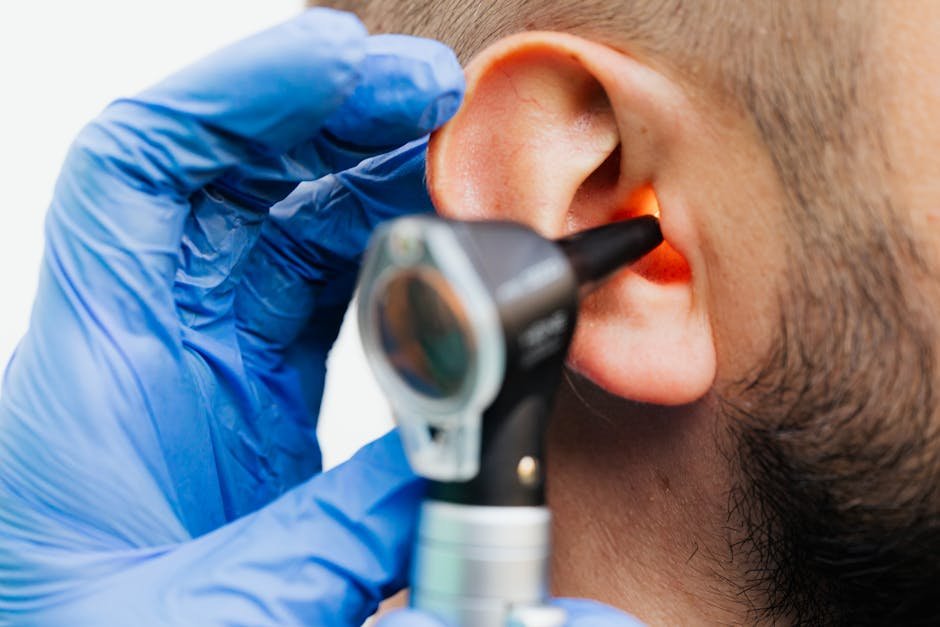
Best Apps for Hearing Training: A Senior’s Guide to Sharper Listening Every Day
This post contains affiliate links. As an Amazon Associate, I earn from qualifying purchases at no extra cost to you.
Free resources — no credit card required for trial
🎧 Listen to health & wellness audiobooks free for 30 days
Start 30-Day Free Trial →
🛒 Recommended Products
As an Amazon Associate we earn from qualifying purchases at no extra cost to you.
TheraBand First Step to Active Health Kit — Senior Exercise Program for Balance and Fall P
$19.99
EZ Off Jar Opener for Seniors — Under Cabinet Jar Opener for Weak Hands and Arthritis
$9.99
Omron 5 Series Upper Arm Blood Pressure Monitor — 2-User 100-Reading Memory Wide-Range Cuf
$44.99
OMRON 7 Series Wireless Wrist Blood Pressure Monitor — Clinically Validated with Connect A
$69.99
Vitality 4 Life Senior Resistance Band with Instruction Guide — Specifically for Elderly F
$16.99
📚 Read unlimited health books free for 30 days
Try Kindle Unlimited Free →
Have you noticed that following a conversation in a noisy restaurant has become harder lately, or that you find yourself asking people to repeat themselves more often than you used to? You’re far from alone — and the good news is, there’s something practical and genuinely helpful you can do about it. The best apps for hearing training are designed specifically to help your brain get better at processing sound and understanding speech, even when life gets noisy. Whether you wear hearing aids or not, these tools can help you feel less exhausted at the end of a social gathering, catch more words during your favourite TV programme, and feel more confident in everyday conversations. Let’s walk through exactly what’s available, how it works, and how to get started.
Why Hearing Training Matters as We Age
Hearing isn’t just a physical sense — it’s deeply tied to how connected and confident we feel in the world. It’s how we laugh with grandchildren, follow a friend’s story over coffee, and stay engaged in all the little moments that make life rich. But as we get older, our listening skills can be challenged in ways that go beyond just volume. Background noise becomes harder to filter out, processing speed can slow slightly, and keeping up with fast-paced conversations takes more effort than it once did.
This is where hearing training comes in. Rather than simply amplifying sound the way a hearing aid does, hearing training gives your brain a workout. It practises the mental skills involved in picking out speech, filtering distractions, and making sense of what you’re hearing. Think of it like physiotherapy for your listening abilities — gentle, structured exercise that builds strength over time. Studies and clinical programmes have shown that this kind of training can reduce listening fatigue, improve day-to-day communication, and support a greater sense of independence.
The really encouraging part? You don’t need to be particularly tech-savvy to get started. Today’s hearing training apps are designed with real people in mind — with clear text, simple navigation, and sessions short enough to fit into your morning routine. A little practice each day can add up to meaningful change over weeks and months.
The Best Apps for Hearing Training: What’s Out There
There are several well-regarded apps worth knowing about, each with its own strengths. The right choice for you will depend on your specific hearing profile, whether you use hearing devices, and what kind of activities you enjoy. Here’s a friendly overview of the most popular options.
LACE (Listening and Communication Enhancement) is one of the most established dedicated hearing training programmes available. It offers guided listening exercises that adapt to your level — so whether you’re just starting out or have been practising for a while, it always feels appropriately challenging without being frustrating. Sessions focus on real-life listening scenarios, like following conversations in background noise or understanding speech clearly in quiet environments. It also tracks your progress so you can actually see how far you’ve come, which is wonderfully motivating. The text is clear, the navigation is straightforward, and sessions are short enough to fit comfortably into a daily routine.
BrainHQ takes a slightly broader approach by offering a full suite of brain-training exercises, including modules specifically designed to improve auditory processing and attention. These are the mental skills that help you “tune in” to the voice you want to hear while tuning out the noise around you. BrainHQ adapts its difficulty level as you improve, includes helpful accessibility options like adjustable text size and audio levels, and gives you clear progress indicators. It’s an excellent choice for anyone who wants to support their overall brain health while also giving their listening skills a boost.
Elevate and Lumosity are widely used cognitive training apps that aren’t exclusively focused on hearing, but they train many of the same mental muscles that support good listening — things like processing speed, attention, and memory. Sessions are typically just 5 to 10 minutes long, the layouts are easy to navigate, and the variety of tasks keeps things interesting so you’re more likely to stick with a daily habit. These apps work beautifully alongside a dedicated hearing training programme, giving your brain a well-rounded workout.
Hearing aid brand companion apps are worth mentioning separately because they can be incredibly valuable if you already use hearing aids or cochlear implants. Many major hearing aid manufacturers offer their own companion apps that include listening exercises, guided practice sessions, and tips for fine-tuning your listening in different environments. Because these apps are designed to work alongside your specific devices, they often feel very familiar and intuitive. Ask your audiologist or the manufacturer about what training features might already be available to you — you may be pleasantly surprised.
What to Look for When Choosing a Hearing Training App
With a growing number of options available, it helps to know what qualities to prioritise — especially if you’re new to using health apps on your phone or tablet. The best apps for hearing training share a few key features that make them practical and enjoyable for older adults.
Look for apps with adaptive difficulty — this means the app automatically adjusts to your current skill level, so you’re always challenged just the right amount. You don’t want exercises so easy they feel pointless, or so hard they leave you frustrated. Good apps also offer clear progress tracking, so you can see improvements over time and stay motivated to keep going. And of course, ease of use matters enormously: large, readable text, simple menus, clearly labelled buttons, and intuitive navigation all make a real difference, especially if you’re not a regular app user.
It’s also worth considering whether an app offers short, flexible sessions. Research and common sense both suggest that regular, brief practice is far more effective than occasional long sessions. An app that lets you do a meaningful workout in 10 minutes is much more likely to become a sustainable habit than one that demands 45 minutes of concentration at a stretch. Finally, check that the app comes from a reputable source and has a clear privacy policy — you want to feel confident about where your data goes.
Practical Tips: How to Make the Most of Hearing Training Apps
Getting started is often the hardest part, but once you build a small routine around hearing training, it quickly starts to feel like a normal — even enjoyable — part of your day. Here are some practical ways to set yourself up for success:
- Start small and build gradually. Begin with just 5 to 10 minutes once or twice a day. As you feel more comfortable, you can gently extend your sessions.
- Create a calm listening environment. Practise in a quiet room, away from background noise and distractions — especially when you’re just starting out.
- Use well-fitting headphones or earbuds. These can help you hear the audio cues in training exercises much more clearly. If you wear hearing aids, experiment with using them during practice to find the setup that works best for you.
- Adjust the app settings for your comfort. Increase text size, set the volume at a comfortable level, and enable high-contrast display if your device offers it.
- Pair app practice with real-life listening. After a training session, try a short conversation with a family member or friend. Notice what feels easier — this reinforces what you’ve been practising.
- Take breaks without guilt. If you feel fatigued or overwhelmed, stop and come back later. Short, regular sessions are always better than long, tiring ones.
- Set a daily reminder. Even a simple phone alarm at the same time each day can help anchor the habit until it feels automatic.
- Track your wins, however small. Keep a notebook or use the app’s built-in progress reports. Catching more words in a TV programme or following a conversation at a family dinner are genuine victories worth celebrating.
- Ask for support. A family member or caregiver can help with the initial setup and encourage you along the way. Some people even enjoy practising together!
Honest Answers to Common Concerns About Hearing Training Apps
It’s natural to have questions — or even a little scepticism — before committing to something new. Let’s address some of the most common concerns head-on, with honest and reassuring answers.
“Is this going to cure my hearing loss?” Hearing training apps are not a medical cure, and they’re not a substitute for professional care or appropriate hearing devices. What they can do is meaningfully improve how your brain processes and understands the sound it receives. They’re a complement to professional hearing care, not a replacement for it. If you have concerns about your hearing, please do see an audiologist for a proper evaluation first.
“What if I’m not good with technology?” This is one of the most common worries, and it’s completely understandable. The good news is that the apps recommended here are specifically designed to be approachable for people who aren’t regular smartphone users. If you do feel daunted, ask a family member or caregiver to help with the initial setup. Many audiologists are also happy to spend a few minutes walking you through an app at your next appointment. Once you’ve had that first guided session, it almost always feels much less intimidating.
“How much does it cost?” Costs vary. Some apps offer free basic features with optional paid upgrades; others require a subscription. Many offer free trials so you can explore before committing. It’s worth checking whether your local library, senior centre, or audiologist’s practice offers access to any of these programmes — some do. Start with a free trial and see how you get on before paying for anything.
“How long before I notice a difference?” Progress is gradual and individual — there’s no single timeline that applies to everyone. Many people notice small but meaningful improvements within a few weeks of consistent practice. The key word is consistent: a little practice every day will serve you far better than sporadic long sessions.
Getting Started: Your Simple First Steps Toward Better Hearing
Taking action doesn’t have to feel overwhelming. In fact, the most effective approach is to keep things beautifully simple at the start and build from there. Here’s a gentle roadmap to help you begin.
Start by having a conversation with your audiologist or hearing clinician. They know your hearing profile, your devices (if you use them), and what kinds of training exercises are most likely to help you specifically. They can point you toward the app or programme that’s the best fit and help you set realistic, encouraging goals. If you don’t currently see an audiologist, this is a great moment to book an appointment — a hearing evaluation is a genuinely useful investment in your wellbeing.
From there, choose just one or two apps to begin with. A dedicated auditory training app like LACE paired with a broader cognitive training option like BrainHQ or Elevate is a great combination. If you already use hearing aids, check whether your manufacturer’s companion app includes training features too. Decide on a consistent time and place for your daily practice — even 10 minutes after breakfast makes a wonderful start. After two weeks, revisit your plan: adjust the difficulty, try a different app, or extend your sessions if you’re ready.
Most importantly, be kind to yourself throughout this process. Learning to listen more effectively is a skill, and like any skill, it develops with patience and practice. Every small improvement — every conversation that feels a little smoother, every word you catch that you might have missed before — is a real and meaningful sign of progress.
The Bottom Line: The best apps for hearing training offer a practical, accessible, and genuinely effective way to strengthen your listening skills from the comfort of home. Whether you choose LACE for dedicated auditory exercises, BrainHQ for broader cognitive and listening support, or a combination of tools tailored to your needs, consistent daily practice can make a real difference to how clearly you hear, how comfortably you communicate, and how confident you feel in the conversations that matter most to you. Start small, stay steady, and remember — you’re giving yourself a wonderful gift with every session.
This is not medical advice. Consult your healthcare provider before starting any new health routine or using any product mentioned here.