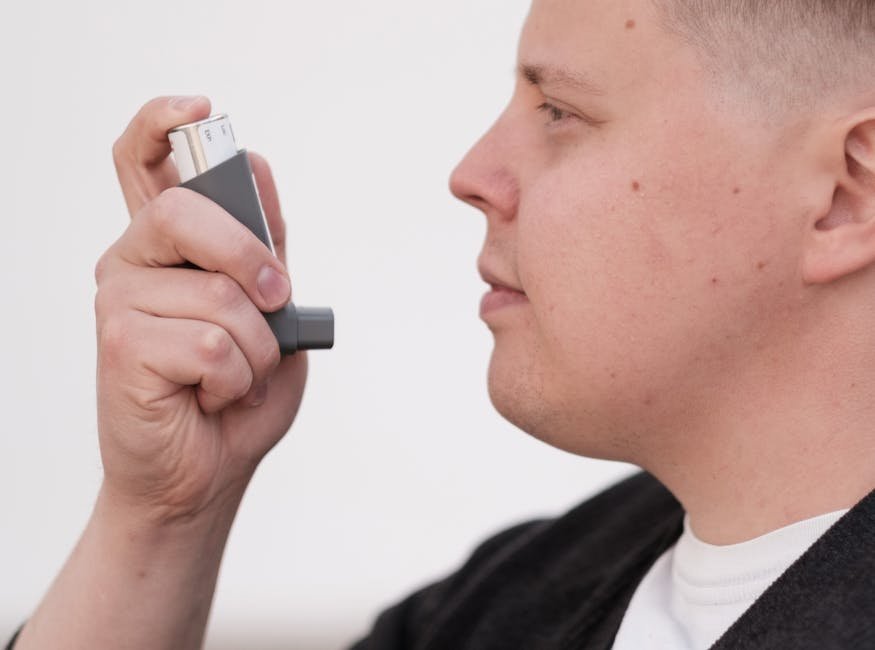
How to Do Pursed-Lip Breathing Correctly: A Simple Guide for Seniors
This post contains affiliate links. As an Amazon Associate, I earn from qualifying purchases at no extra cost to you.
Free resources — no credit card required for trial
🎧 Listen to health & wellness audiobooks free for 30 days
Start 30-Day Free Trial →
🛒 Recommended Products
As an Amazon Associate we earn from qualifying purchases at no extra cost to you.
TheraBand First Step to Active Health Kit — Senior Exercise Program for Balance and Fall P
$19.99
EZ Off Jar Opener for Seniors — Under Cabinet Jar Opener for Weak Hands and Arthritis
$9.99
Omron 5 Series Upper Arm Blood Pressure Monitor — 2-User 100-Reading Memory Wide-Range Cuf
$44.99
OMRON 7 Series Wireless Wrist Blood Pressure Monitor — Clinically Validated with Connect A
$69.99
Vitality 4 Life Senior Resistance Band with Instruction Guide — Specifically for Elderly F
$16.99
📚 Read unlimited health books free for 30 days
Try Kindle Unlimited Free →
Have you ever felt your breath catch during a simple task — climbing a few stairs, making the bed, or even just getting dressed in the morning? For many older adults, shortness of breath can creep into everyday moments and make life feel a little harder than it needs to. The good news is that there’s a remarkably simple, no-equipment-needed technique that can help: pursed-lip breathing. This gentle breathing method has been used for years to help people feel more in control of their breath, reduce feelings of breathlessness, and even calm anxiety. Best of all, you can do it anywhere, anytime — and it only takes a few minutes to learn.
What Is Pursed-Lip Breathing and Why Does It Matter?
Pursed-lip breathing is exactly what it sounds like — you breathe in slowly through your nose and then exhale gently through lips that are lightly puckered, as if you’re about to blow out a birthday candle or whistle softly. That slow, controlled exhale is the heart of the technique, and it’s what makes it so effective.
When you exhale this way, the slight resistance created by your pursed lips helps keep your airways open a little longer. This means more air gets exchanged with each breath, which can make breathing feel less effortful and more efficient. Think of it as giving your lungs a gentle helping hand. For many people, this translates into a noticeable reduction in that panicky, tight feeling that can come with breathlessness.
Pursed-lip breathing can be especially helpful during physical activity — walking, climbing stairs, gardening — or during moments of stress or anxiety when your breathing tends to speed up and become shallow. It’s a practical, discreet tool you can reach for at any time, whether you’re sitting in your favourite chair or preparing to take a short walk around the block.
How to Perform Pursed-Lip Breathing Correctly: Step by Step
Learning pursed-lip breathing is straightforward, and you don’t need to be perfectly coordinated to do it well. Consistency matters far more than perfection, so give yourself permission to go slowly and get comfortable with each step before moving on.
Step 1 — Get settled and comfortable. Sit in a supportive chair with your back straight but relaxed, shoulders soft, and feet flat on the floor. If you prefer to lie down, that’s fine too — just make sure your head is well supported. If balance is a concern when standing, always use a sturdy chair or hold onto a countertop for security.
Step 2 — Let your breathing settle. Before you begin, take a moment to notice your natural breathing without changing anything. Don’t force it. Just let yourself arrive in the present moment and feel a gentle rhythm.
Step 3 — Inhale slowly through your nose. Breathe in through your nose for about 2 seconds. If that feels like too long at first, start with just 1 second and work your way up gradually. Keep the inhale relaxed — don’t strain or pull the breath in forcefully.
Step 4 — Pucker your lips. Gently pucker your lips as though you’re about to blow out a candle or lightly whistle. The opening should be small and soft — not tight or strained.
Step 5 — Exhale slowly and gently. Breathe out through your pursed lips for 4 to 6 seconds. The exhale should always feel longer than the inhale. You might notice a soft, quiet sound as the air passes through — that’s completely normal and a sign you’re doing it right. Don’t force the breath out; let it flow naturally.
Step 6 — Pause, then repeat. After the exhale, rest for a natural moment before beginning the next breath. Aim for 4 to 6 breaths per session to start. As you grow more comfortable, you can gradually extend your sessions or increase how often you practice throughout the day.
Step 7 — Finish gently. When you’re done, return to your normal breathing for a moment and simply notice how you feel. There’s no rush. Many people feel noticeably calmer and more settled after even a short session.
Common Mistakes to Avoid When Practising Pursed-Lip Breathing
Because pursed-lip breathing feels so simple, it’s easy to accidentally slip into habits that reduce its effectiveness. Knowing what to watch out for can help you get the most benefit right from the start.
Rushing the exhale is probably the most common mistake. The whole point is a slow, controlled breath out — if you’re exhaling in 1 or 2 seconds, try counting to 4 in your head and aim to stretch the breath to fill that time. Not pursing the lips enough is another one to watch. You want a gentle puckering — enough to create mild resistance, but not so tight that you’re straining. Think soft and easy, not tense.
Breathing only from the chest can make the technique less effective. Try placing one hand gently on your abdomen. With a relaxed breath, your belly should rise slightly on the inhale and fall on the exhale. If it’s barely moving, your breath is too shallow. Tensing the neck and shoulders is also something many people do without realising. Check in with your body every few breaths — let your jaw go soft, drop your shoulders away from your ears, and keep your face relaxed. The whole exercise should feel gentle and restful, not effortful.
Finally, avoid forcing the inhale. The exhale is where the magic happens. The inhale just needs to be calm and comfortable — it doesn’t need to be deep or dramatic.
What You Can Do: Practical Tips for Making Pursed-Lip Breathing Part of Your Day
Like any new habit, pursed-lip breathing works best when it’s woven into your daily routine rather than treated as a separate chore. Here are some practical, easy ways to make it stick:
- Anchor it to existing habits. Practise right after waking up, during a TV commercial break, or just before bed. Linking the breathing to something you already do makes it much easier to remember.
- Use gentle reminders. Place a small sticky note on the fridge, bathroom mirror, or kettle. A simple cue like “Breathe” is all you need. You can also set a soft phone alarm 2 or 3 times a day.
- Practise during light activity. Use pursed-lip breathing when you’re tackling everyday tasks — sweeping, folding laundry, walking to the letterbox. If you start to feel breathless, slow your pace a little and let the technique do its work.
- Try it before stressful moments. If you know you’re about to do something that tends to wind you — climbing stairs, answering a phone call, getting ready quickly — take a short set of pursed-lip breaths beforehand to settle your nervous system.
- Use it as part of a wind-down routine. A few minutes of slow, deliberate breathing before sleep can be wonderfully calming and may help you drift off more easily.
- Keep a simple log. Jot down the days you practise and how you felt before and after. Even a brief note helps you see progress and keeps you motivated.
- Invite someone to join you. Practising with a family member, friend, or caregiver can make the routine feel more enjoyable and less easy to skip.
The Real Benefits of Pursed-Lip Breathing for Seniors
You might be wondering — does this really make a difference? For many people, the answer is yes, and the benefits tend to build over time with consistent practice. One of the most immediate things people notice is that breathing feels slower and steadier. That sense of calm can interrupt the anxious cycle that often comes with breathlessness — where feeling short of breath makes you panic, which makes breathing even harder.
Over time, pursed-lip breathing may help reduce the effort your body needs to take a comfortable breath during everyday activities. Whether you’re heading up a flight of stairs, walking to the car, or doing a bit of light gardening, having a reliable breathing technique to reach for gives you a sense of agency and confidence that’s genuinely empowering.
There’s also a mental health benefit worth mentioning. The slow, rhythmic nature of pursed-lip breathing has a naturally calming effect on the nervous system. Many people find it helps reduce general anxiety and stress, not just physical breathlessness. Over time, this can make daily life feel just a little lighter and more manageable — and that’s no small thing.
Safety First: Important Things to Know Before You Begin Pursed-Lip Breathing
Pursed-lip breathing is considered gentle and safe for most people, but there are a few sensible precautions worth keeping in mind — especially if you’re managing an existing health condition.
If you have a chronic lung condition such as COPD, asthma, or emphysema, or if you have a heart condition, it’s always a good idea to check with your doctor or healthcare provider before starting any new breathing technique. They can confirm whether it’s appropriate for you and may even be able to guide you through it in person.
While practising, if you feel dizzy, faint, experience chest pain, or notice your breathing becoming faster rather than slower, stop immediately and rest. If those symptoms persist, seek medical attention. The technique should always feel comfortable — never forced or distressing. Start with short sessions of just a few minutes, 2 to 3 times a day, and only gradually increase your practice as you feel ready. There’s absolutely no need to push through discomfort. Comfort comes first, always.
If arthritis or limited hand dexterity makes certain positions tricky, simply adjust. Use whichever hand position feels easiest, or rest your hands gently in your lap instead of on your belly. The technique is flexible and can be adapted to suit your body and your needs.
The Bottom Line: Pursed-lip breathing is one of the simplest, most accessible tools available to support better respiratory health as we get older. By learning how to do it correctly — breathing in through the nose for 2 seconds and exhaling slowly through gently puckered lips for 4 to 6 seconds — you give yourself a practical way to manage breathlessness, reduce anxiety, and feel more in control during everyday activities. It costs nothing, requires no equipment, and can be done anywhere. Start small, be patient with yourself, and practise a little each day. Your lungs, your body, and your peace of mind are absolutely worth the effort.
This is not medical advice. Consult your healthcare provider before starting any new health routine or using any product mentioned here.