Managing Pain During Cold Weather: Practical Tips to Keep Seniors Moving and Comfortable
This post contains affiliate links. As an Amazon Associate, I earn from qualifying purchases at no extra cost to you.
Free resources — no credit card required for trial
🎧 Listen to health & wellness audiobooks free for 30 days
Start 30-Day Free Trial →
🛒 Recommended Products
As an Amazon Associate we earn from qualifying purchases at no extra cost to you.
TheraBand First Step to Active Health Kit — Senior Exercise Program for Balance and Fall P
$19.99
EZ Off Jar Opener for Seniors — Under Cabinet Jar Opener for Weak Hands and Arthritis
$9.99
Omron 5 Series Upper Arm Blood Pressure Monitor — 2-User 100-Reading Memory Wide-Range Cuf
$44.99
OMRON 7 Series Wireless Wrist Blood Pressure Monitor — Clinically Validated with Connect A
$69.99
Vitality 4 Life Senior Resistance Band with Instruction Guide — Specifically for Elderly F
$16.99
📚 Read unlimited health books free for 30 days
Try Kindle Unlimited Free →
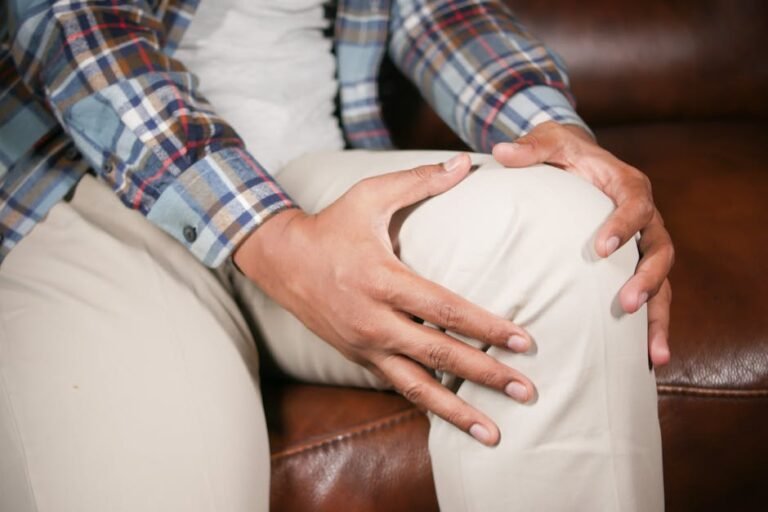
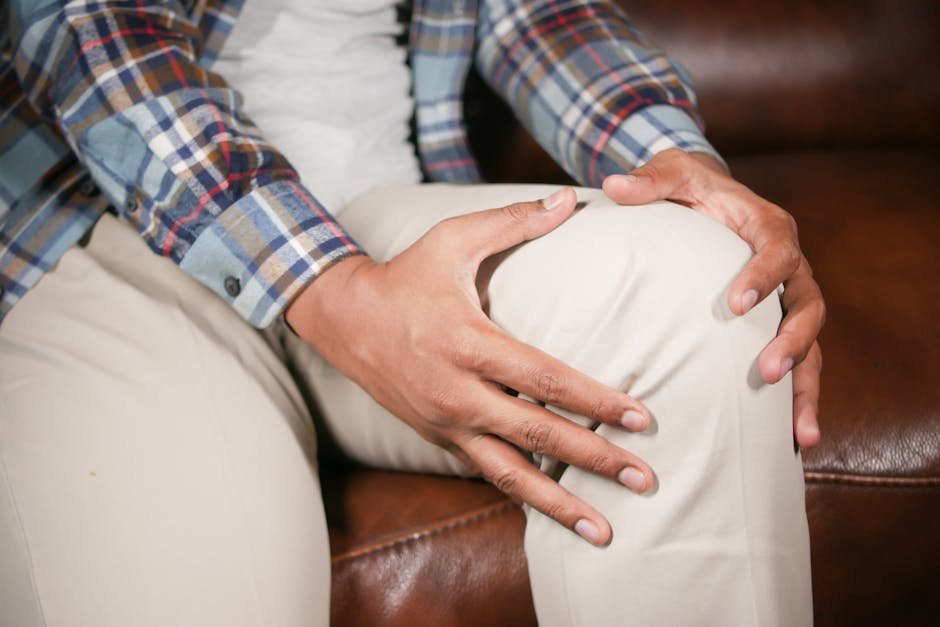
If you’ve noticed that your joints ache more when the temperature drops, you’re not imagining it — and you’re definitely not alone. Managing pain during cold weather is one of the most common challenges for older adults, and it can feel like your body simply refuses to cooperate once winter arrives. Stiff fingers, achy knees, a back that protests every morning — these are real, frustrating experiences. The good news? You don’t have to just grit your teeth and wait for spring. With a handful of simple, safe strategies, you can stay warmer, move more freely, and actually enjoy the colder months. This guide walks you through everything from heat therapy and smart layering to gentle exercises and daily habits that genuinely make a difference.
Why Cold Weather Makes Pain Feel Worse
Before diving into solutions, it helps to understand what’s actually happening in your body when temperatures drop. Cold air causes joints to stiffen — the fluid inside your joints can become thicker, making movement feel sluggish and uncomfortable. Reduced circulation in your hands, feet, and other extremities means these areas aren’t getting as much warm, oxygen-rich blood as they need, which adds to that heavy, achy feeling.
Shorter days also play a role that often goes unnoticed. When it’s cold and grey outside, most of us naturally move less. We stay indoors more, sit longer, and skip the walks we’d normally enjoy in warmer weather. Unfortunately, reduced activity is one of the fastest ways to make joint pain worse — muscles tighten up, circulation slows further, and stiffness sets in. On top of all this, indoor heating tends to dry out the air, which can irritate skin and make the body feel even more uncomfortable overall.
Understanding these triggers is empowering, because it means there are specific, targeted things you can do to push back against each one. Cold weather pain isn’t inevitable — it’s manageable.
Heat Therapy and Topical Remedies for Cold-Weather Pain Relief
Heat is one of your best friends when it comes to managing pain during cold weather. A warm bath or shower for just 5–10 minutes before any physical activity can prepare your joints and muscles beautifully — think of it as a gentle thaw before you start moving. A heating pad or warm, dry heat pack applied to a sore area for around 15–20 minutes can significantly reduce stiffness. Just remember to always place a cloth between the heat source and your skin to avoid burns, and never fall asleep with a heating pad switched on.
During the day, a warm compress can work wonders on throbbing joints. You can use a towel warmed in hot water, or pick up a ready-made heat wrap from a pharmacy or online. Watch your skin while using heat — if it becomes red, irritated, or numb, remove the compress straight away. If you’re dealing with a sudden flare-up that involves swelling or a new injury, cold therapy (rather than heat) is actually more appropriate in the first 24–48 hours. Use a cold pack wrapped in a cloth for about 10–15 minutes at a time, and never place ice or a cold pack directly on bare skin.
Over-the-counter warming or cooling creams and gels can also offer some relief. These products create a soothing sensation on the surface of the skin that many people find helpful for achy joints. Always test a small area first, check the label carefully, and avoid applying anything to broken or irritated skin. A light, gentle massage with an unscented lotion around a sore area — after applying heat — can further help to relax tight muscles. If you have any numbness or reduced sensation in the area, it’s worth asking a healthcare provider or carer to guide you through safe massage techniques.
How to Dress Smarter for Warmth and Comfort
What you wear in winter can make an enormous difference to how your body feels throughout the day. The key is layering — and doing it thoughtfully. Start with a moisture-wicking base layer close to the skin, add a warm middle layer for insulation, and finish with a windproof, waterproof outer layer when heading outdoors. This trapping of warm air between layers is far more effective than one heavy coat alone, and it gives you the flexibility to adjust as you move between indoors and outdoors.
Pay special attention to your extremities, because that’s where cold tends to hit hardest. Warm, dry socks with good cushioning and shoes with non-slip soles are essential — not just for comfort, but for safety on wet or icy surfaces. Gloves or mittens protect finger joints, while a hat, ear warmer, and scarf prevent significant heat loss from your head and neck. Small accessories can make a big difference to how warm your whole body feels.
If arthritis in the hands makes dressing a challenge, look for clothing with large buttons, Velcro fastenings, or easy-pull zips. Slip-on shoes or shoes with hook-and-loop closures can help you stay steady and safe when putting footwear on or taking it off. At home, keep your thermostat set to a consistent, comfortable temperature, and consider running a humidifier to counteract the drying effect of indoor heating — your skin and throat will thank you.
Gentle Movement to Ease Cold-Weather Stiffness
Staying active is genuinely one of the most powerful tools for managing pain during cold weather. It might feel counterintuitive to move when everything aches, but gentle, regular movement keeps joints flexible, improves circulation, and releases natural feel-good chemicals in the brain. The goal isn’t intense exercise — it’s consistent, gentle movement throughout the day.
Before any activity, spend five minutes warming up with slow, easy movements. Shoulder rolls, gentle neck turns, ankle pumps, and marching on the spot are all excellent choices. A sit-to-stand routine is another brilliant option: using a sturdy chair, simply stand up slowly and sit back down again, repeating 5–10 times, two to three times a day. Keep a walking aid nearby if you use one. Chair-based stretches — like a gentle seated twist from side to side, or reaching your arms overhead — can help keep your back and hips mobile without any risk of falling.
For your feet and legs, try ankle circles, heel-to-toe rocking, and ankle pumps while seated. These movements encourage circulation right down to your extremities, which is especially important in cold weather. A short walk of just 5–10 minutes — when weather and conditions are safe — can do wonders for your mood and your joints. Wear supportive shoes with a good grip, choose a well-lit, clear path, and consider a walking stick if it helps your balance and confidence outdoors.
What You Can Do: Practical Tips for Daily Cold-Weather Pain Management
Small, consistent habits are the foundation of staying comfortable through winter. Here are some practical, actionable steps you can start using right away:
- Prepare a warmth toolkit before cold weather arrives. Stock up on a clean heating pad, a warm water bottle, a few extra cosy layers, and a pair of shoes with strong grip. Having these ready means you’re not scrambling when a cold snap hits.
- Build a simple daily routine. Choose two or three easy activities — such as a short walk, a chair stretch, and a warm shower — and do them most days. Consistency matters far more than intensity when it comes to pain management.
- Stay hydrated, even when you don’t feel thirsty. Cold weather dulls our sense of thirst, but dehydration can worsen pain and slow recovery. Sip water regularly throughout the day and eat balanced meals that include protein to support your muscles.
- Prioritise your sleep. A regular bedtime routine helps with pain management more than many people realise. Keep your bedroom comfortably warm (not too hot), use a lightweight blanket you can manage easily, and aim for a consistent sleep and wake time.
- Protect your skin. Cold air dries skin out quickly, which can feel uncomfortable and even cause cracking. Use a mild, fragrance-free moisturiser after bathing, and opt for shorter lukewarm showers rather than long, hot ones.
- Guard against slips and falls. Clear ice and snow from outdoor paths, use salt or sand on steps, and keep a torch by the door for dark winter mornings and evenings. Falls are a serious risk in winter, and prevention is everything.
- Ask for help when you need it. If managing a hot water bottle, getting in and out of the shower, or organising warm clothing becomes difficult, reach out to a family member, friend, or home-care helper. Accepting support is a sign of strength, not weakness.
- Listen to your body. Pain naturally varies with the weather. When you feel stiffness creeping in, respond early — apply gentle heat, do a short stretch, or take a brief walk to keep things moving before discomfort builds.
When to Talk to Your Doctor About Cold-Weather Pain
Most winter aches and stiffness can be managed safely at home with the steps above. But there are times when it’s important to reach out to your healthcare provider, and it’s good to know what those situations look like. Don’t hesitate to seek advice if your pain has lasted more than a few weeks despite home care, or if it’s starting to affect your sleep or ability to carry out daily activities.
New or worsening symptoms — such as sudden severe pain, numbness, tingling, weakness, or swelling near a joint — warrant a conversation with your doctor. Similarly, if pain is accompanied by fever, redness, warmth, or a rash near a joint, these could be signs of something that needs medical attention. And if you ever experience chest pain, severe dizziness, shortness of breath, or notice cold, pale fingers or toes after being outdoors in the cold, seek urgent medical help straight away. These can be warning signs of conditions that need prompt attention.
If you live with a chronic condition such as diabetes, heart disease, or nerve problems, it’s worth speaking to your doctor specifically about how cold weather might affect your symptoms — they can help tailor a personalised plan for the season. And before adding any new pain medicines or topical products to your routine, always check with your doctor or pharmacist first. Some treatments can interact with existing medications or affect blood pressure, kidney function, or heart health in ways that aren’t always obvious.
The Bottom Line: Managing pain during cold weather is absolutely possible — and you have more tools at your disposal than you might think. From gentle heat therapy and smart layering to regular gentle movement and simple daily habits, small consistent steps really do add up to real, meaningful comfort. Cold weather brings challenges, but it doesn’t have to mean months of suffering. Be kind to your body, listen to its signals, stay warm from the inside out, and don’t hesitate to lean on your health team when you need them. With a little preparation and a positive approach, you can move through winter with far more ease and confidence than you might expect.
This is not medical advice. Consult your healthcare provider before starting any new health routine or using any product mentioned here.