How Osteoporosis Affects the Spine in Seniors — And What You Can Do About It
This post contains affiliate links. As an Amazon Associate, I earn from qualifying purchases at no extra cost to you.
Free resources — no credit card required for trial
🎧 Listen to health & wellness audiobooks free for 30 days
Start 30-Day Free Trial →
🛒 Recommended Products
As an Amazon Associate we earn from qualifying purchases at no extra cost to you.
TheraBand First Step to Active Health Kit — Senior Exercise Program for Balance and Fall P
$19.99
EZ Off Jar Opener for Seniors — Under Cabinet Jar Opener for Weak Hands and Arthritis
$9.99
Omron 5 Series Upper Arm Blood Pressure Monitor — 2-User 100-Reading Memory Wide-Range Cuf
$44.99
OMRON 7 Series Wireless Wrist Blood Pressure Monitor — Clinically Validated with Connect A
$69.99
Vitality 4 Life Senior Resistance Band with Instruction Guide — Specifically for Elderly F
$16.99
📚 Read unlimited health books free for 30 days
Try Kindle Unlimited Free →
If you’ve ever noticed that a parent or grandparent seems a little shorter than they used to be, or that their posture has changed over the years, there’s a good chance osteoporosis had something to do with it. Osteoporosis is one of the most common — and most quietly sneaky — conditions affecting seniors today, and the spine is one of the first places it makes itself known. The good news? Understanding how osteoporosis affects the spine gives you real power to protect yourself, ease discomfort, and stay active and confident in your daily life. Whether you’re managing this condition yourself or caring for someone who is, this guide is here to help you make sense of it all and take practical, meaningful steps forward.
What Osteoporosis Does to Your Spine
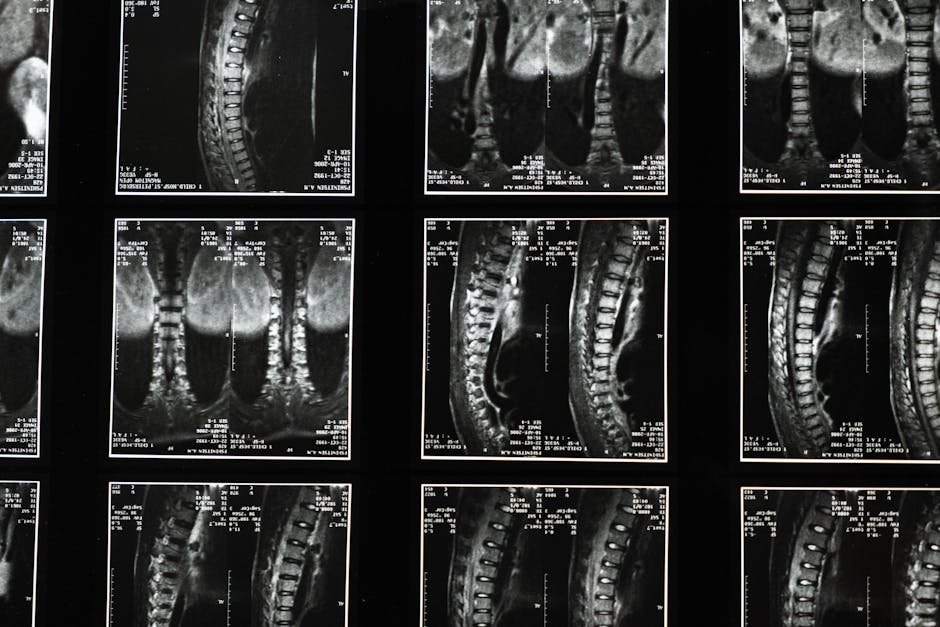
To understand why osteoporosis is such a big deal for your back, it helps to picture what your spine actually does. Your spine is a carefully stacked column of bones called vertebrae, and it does a remarkable job — it protects your spinal cord, keeps you upright, and allows you to bend, twist, and move through your day. When osteoporosis sets in, those vertebrae gradually become thinner, lighter, and more fragile. Think of them going from dense, sturdy blocks to something more like a dried-out sponge — still there, but far less able to handle pressure.
One of the most common consequences is something called a compression fracture. This is when the weight of your own body — from something as ordinary as bending forward to pick something up, or even just standing — causes one of those weakened vertebrae to crack or collapse slightly. These fractures can happen with very little warning and very little force. That’s what makes osteoporosis so different from a typical broken bone. You don’t need a dramatic fall for damage to occur. A sneeze, a slight twist, or stepping off a curb the wrong way can be enough.
Over time, if multiple vertebrae are affected, the spine can begin to curve forward, creating the hunched posture that many people associate with aging. This isn’t just a cosmetic change — it can affect how you breathe, how you move, and even your confidence in getting around day to day. Understanding this progression is the first step toward slowing it down.
Signs and Symptoms Worth Paying Attention To
One of the trickier things about osteoporosis and spine health is that many people don’t realise what’s happening until something significant occurs. That said, there are signs to watch for that can alert you early. Persistent back pain that lingers for weeks, or that flares up regularly with activity, is one of the most common indicators. This pain is often worse when you’re standing, walking, or climbing stairs, and tends to ease when you lie down and rest.
Noticing a change in your height is another signal many seniors and their families overlook. If you or someone you love seems shorter than they were a few years ago, or if clothes that used to fit perfectly now feel different around the shoulders, it’s worth mentioning to a doctor. A stooped posture, or difficulty standing fully upright, can also point to changes in the spine caused by osteoporosis.
There are some symptoms that should prompt you to seek medical attention more urgently. These include new numbness or tingling spreading into your arms or legs, sudden weakness in the limbs, trouble controlling your bladder or bowels, or a brand-new, severe back pain that comes on after a fall or injury. Fever combined with back pain is also a red flag. These aren’t things to wait out — call your healthcare provider or head to urgent care if you experience any of them.
Practical Tips: What You Can Do to Support Your Spine Every Day
The encouraging truth is that there is so much you can do to protect your spine, reduce your risk of fractures, and feel better in your body. These strategies work together — no single tip is a magic fix, but combining several of them consistently makes a meaningful difference over time.
- Practise good posture habits: Stand tall, keep your shoulders gently back and your chest lifted. When sitting, avoid slumping for long stretches — take a short standing break every 30 to 45 minutes.
- Lift safely: Bend at your knees and hips rather than your waist, keep whatever you’re lifting close to your body, and avoid twisting your spine as you reach or carry.
- Use helpful tools: A sturdy chair at a good height, a reaching tool for items on low shelves, or a small trolley for moving heavier things can all reduce strain on your back.
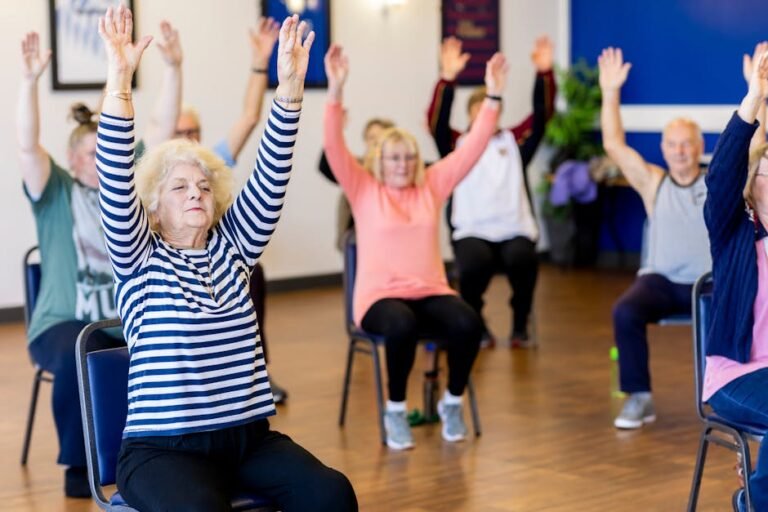
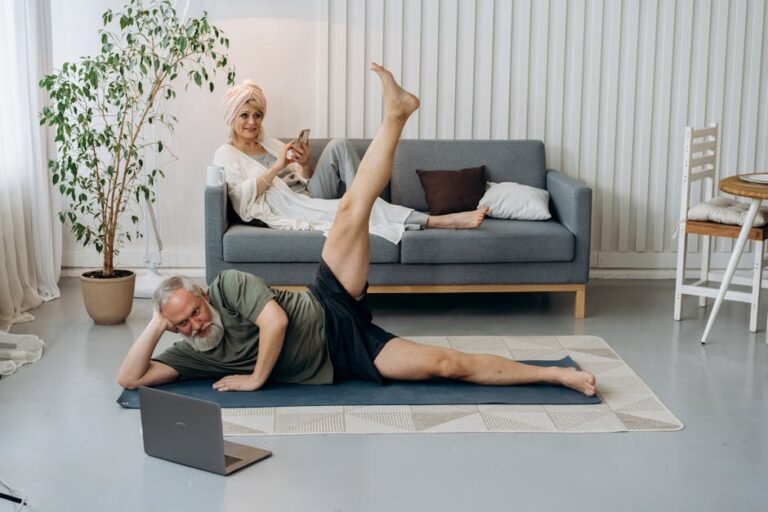
- Stay active with bone-friendly exercise: Weight-bearing activities like walking, light dancing, or stair climbing several days a week help maintain bone density and strengthen the muscles that support your spine. Chair-supported leg lifts, wall push-ups, and gentle resistance bands are great starting points for strength work.
- Improve your balance: Tai chi, gentle yoga, and even simple one-leg stands (done with support nearby) can significantly reduce your risk of falls. Start slowly and always have something to hold onto.
- Eat for bone health: Aim for calcium-rich foods daily — low-fat dairy, fortified plant milks, leafy greens, sardines, and calcium-fortified foods. Most seniors benefit from around 1000 to 1200 mg of calcium per day, but check with your doctor. Vitamin D is equally important; fatty fish, fortified products, modest sun exposure, and supplements (if your doctor recommends them) all help. A common daily goal is around 800 to 1000 IU, but individual needs vary.
- Set up your bedroom for spine support: Sleep on a firm, supportive mattress. If you have back pain, try a pillow under your knees when lying on your back, or between your knees when on your side — both positions ease pressure on the spine.
- Make your home safer to prevent falls: Clear clutter from floors, use non-slip mats in the bathroom, install grab bars near the toilet and in the shower, ensure good lighting throughout your home, and wear supportive shoes with a solid grip — even indoors.
- Limit alcohol and avoid smoking: Both can weaken bones over time. If you smoke, seeking support to quit is one of the most powerful things you can do for your spine and overall health.
- Stay hydrated: Drinking enough water supports your overall health and helps keep your muscles and joints working well.
The Role of Nutrition in Keeping Your Spine Strong
Food really is medicine when it comes to bone health, and it’s one area where small, consistent changes can add up to a big impact. Calcium is the mineral most closely associated with strong bones, and it’s worth making it a daily priority. Dairy products like yoghurt, milk, and cheese are excellent sources, but if you’re dairy-free, look for fortified plant milks, tinned sardines or salmon with bones, kale, bok choy, and calcium-fortified cereals or orange juice. Spreading your calcium intake across the day (rather than taking it all at once) helps your body absorb it more effectively.
Vitamin D is calcium’s essential partner — without enough of it, your body struggles to absorb the calcium you consume, no matter how much you eat. Older adults, especially those who spend a lot of time indoors, are particularly prone to low vitamin D levels. A short walk outside in gentle sunlight can help, and foods like fatty fish (salmon, mackerel, tuna), egg yolks, and fortified foods contribute too. Many seniors benefit from a vitamin D supplement, but it’s always worth confirming the right dose with your doctor, since too much can also cause problems.
Protein often gets overlooked in conversations about bone health, but it’s vital. Your muscles support your spine, and your muscles need protein to stay strong. Lean meats, fish, eggs, legumes, and dairy all count. Round out your meals with plenty of fruits, vegetables, and whole grains for overall nutritional balance, and drink water regularly throughout the day. A well-nourished body is simply better equipped to protect and heal your bones.
When to Talk to Your Doctor About Osteoporosis and Spine Health
One of the most empowering conversations you can have is with your healthcare provider about your bone health. If you haven’t had a bone density test and you’re over 65 — or younger with risk factors like a family history of osteoporosis, a history of fractures, or long-term use of certain medications — it’s worth asking about getting one. This simple, painless scan gives a clear picture of how dense your bones are and helps your doctor determine what level of intervention, if any, you might need.
Medications and supplements can play an important role for some people with osteoporosis or significant bone loss. There are several options available, and your doctor can walk you through the benefits and potential side effects of each. Never start or stop any medication without medical guidance — even supplements can interact with other medicines or conditions. The key is keeping the conversation going and not assuming that bone loss is simply something you have to accept without support.
Regular check-ins with your healthcare team become increasingly valuable as you age, especially if you have a history of fractures or have already been diagnosed with osteoporosis. These appointments are the right time to bring up any new symptoms, changes in your pain levels, or questions about your exercise routine and diet. Think of your doctor as a partner in this — someone who wants to help you stay as active and independent as possible for as long as possible.
Supporting a Loved One: Advice for Caregivers
If you’re caring for a senior with osteoporosis, your role is incredibly valuable — and sometimes incredibly challenging. One of the most helpful things you can do is approach the topic of spine health with openness rather than alarm. Many older adults feel embarrassed or worried about being a burden when it comes to pain or mobility changes, so creating a safe space for honest conversation matters enormously. Ask how they’re feeling, listen without judgement, and take their pain seriously even when it’s hard to see from the outside.
Practically speaking, caregivers can make a real difference by reviewing the home together and removing fall hazards — loose rugs, poor lighting, cluttered pathways. Helping to prepare bone-friendly meals, encouraging gentle daily movement, and accompanying your loved one to medical appointments are all genuinely meaningful contributions. Creating a simple daily rhythm that includes movement, nourishing meals, and adequate rest can take a lot of the guesswork out of self-care and make it easier to stick to healthy habits consistently.
Remember to take care of yourself too. Caregiving is demanding, and you’re better able to support someone else when you’re not running on empty. Reach out for support when you need it, whether that’s from other family members, a community group, or a healthcare professional who can offer guidance tailored to your situation.
The Bottom Line: Osteoporosis is common among seniors, and the spine is one of the most vulnerable areas it affects — but this is far from a hopeless situation. By understanding how osteoporosis weakens the vertebrae and what symptoms to watch for, you’re already ahead of the curve. Add in safe movement habits, bone-friendly nutrition, smart fall prevention at home, and regular conversations with your healthcare team, and you’re giving your spine the best possible foundation. Small, consistent steps really do add up. You deserve to feel supported, informed, and hopeful — because with the right approach, staying active and protecting your spine is absolutely within reach.
This is not medical advice. Consult your healthcare provider before starting any new health routine or using any product mentioned here.