How to Keep Dentures Clean and Fresh: The Complete Daily Guide for Seniors
This post contains affiliate links. As an Amazon Associate, I earn from qualifying purchases at no extra cost to you.
Free resources — no credit card required for trial
🎧 Listen to health & wellness audiobooks free for 30 days
Start 30-Day Free Trial →
🛒 Recommended Products
As an Amazon Associate we earn from qualifying purchases at no extra cost to you.
TheraBand First Step to Active Health Kit — Senior Exercise Program for Balance and Fall P
$19.99
EZ Off Jar Opener for Seniors — Under Cabinet Jar Opener for Weak Hands and Arthritis
$9.99
Omron 5 Series Upper Arm Blood Pressure Monitor — 2-User 100-Reading Memory Wide-Range Cuf
$44.99
OMRON 7 Series Wireless Wrist Blood Pressure Monitor — Clinically Validated with Connect A
$69.99
Vitality 4 Life Senior Resistance Band with Instruction Guide — Specifically for Elderly F
$16.99
📚 Read unlimited health books free for 30 days
Try Kindle Unlimited Free →
If you wear dentures, you already know how much they do for you — helping you eat your favourite foods, speak clearly, and smile with confidence. But keeping dentures clean and fresh is about so much more than looking good. A proper daily cleaning routine protects your mouth from infections, banishes bad odours, and helps your dentures fit comfortably for years to come. The good news? It doesn’t have to be complicated. Whether you’re managing your own care or supporting a loved one, this warm and practical guide walks you through everything you need to know — step by step, day by day.
Why Keeping Dentures Clean Really Matters
It can be tempting to think of denture cleaning as purely cosmetic — just keeping things looking nice. But the truth is, denture hygiene plays a vital role in your overall health. Bacteria and yeast can build up on dentures surprisingly quickly, leading to gum irritation, sore spots, and a condition called denture stomatitis — a common mouth infection that causes redness and discomfort under the denture. Regular cleaning keeps these unwanted guests from taking hold.
There’s also the matter of smell and taste. Dirty dentures can carry unpleasant odours that affect your breath and even change how food tastes. Clean dentures simply feel better and keep your mouth fresh throughout the day. And from a practical standpoint, routine cleaning prevents staining, warping, and mineral buildup that can gradually affect how well your dentures fit — which means you protect your investment too.
One thing many people don’t realise is that oral care doesn’t stop at the dentures themselves. Even without natural teeth, your gums, tongue, and the roof of your mouth need daily attention. These soft tissues can harbour bacteria that cause irritation and infection if left unchecked. A complete routine means caring for your whole mouth, not just the dentures.
The Right Tools and Products for Safe Denture Cleaning
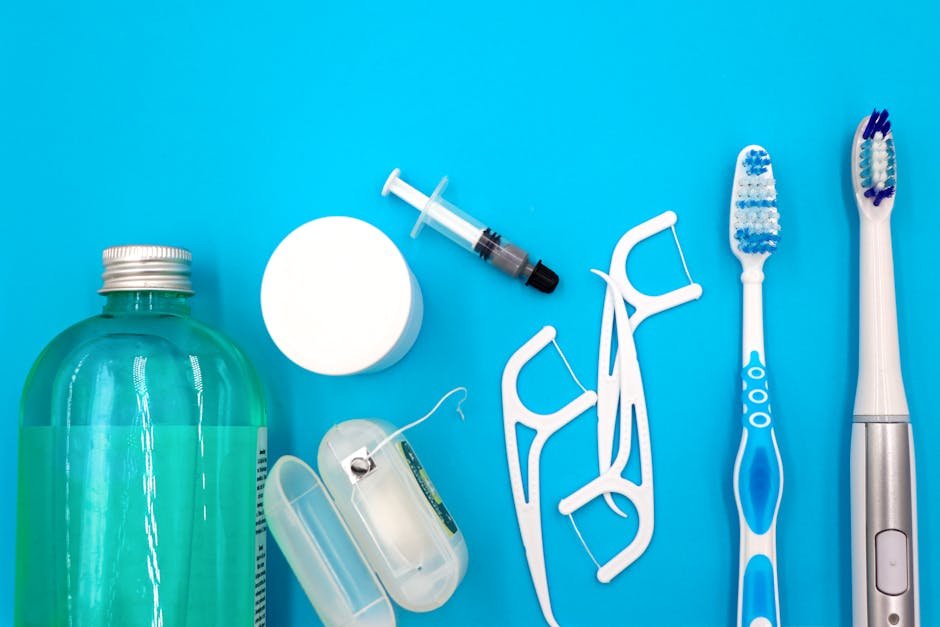
Before you establish a routine, it helps to have the right supplies on hand. A soft denture brush — or a soft-bristled toothbrush — is your most important tool. Avoid anything with hard bristles, as these can scratch the surface of your dentures over time. You’ll also want a denture cleanser, either in tablet or paste form, specifically designed for dentures. This is an important point: regular toothpaste is too abrasive for dentures and can dull and scratch the surface, making it easier for bacteria to cling on.
Water temperature matters more than most people think. Always use cool or lukewarm water when rinsing or soaking your dentures. Hot water can warp or bend acrylic dentures, causing them to lose their shape and fit poorly. Keep a clean denture cup handy for soaking, and consider placing a soft towel in the bottom of the sink or filling it partway with water when handling your dentures — this cushions them if they slip from your hands, preventing chips and cracks.
If you use denture adhesive, always follow the manufacturer’s instructions carefully. Make sure you rinse off any adhesive residue from your dentures before you begin your cleaning routine. This helps the cleanser do its job properly and prevents residue from building up on the fitting surface.
Your Step-by-Step Daily Denture Cleaning Routine
A consistent daily routine is the foundation of good denture hygiene. It doesn’t need to take long — with practice, the whole process takes just a few minutes morning and evening. Here’s a gentle, clear method to follow each day.
Start by washing your hands thoroughly with soap and water and drying them well. Then, standing over a soft towel or a sink with a little water in it, use both hands to carefully remove your dentures. Rinse them straight away under cool or lukewarm running water to flush away any loose food particles. Next, apply a small amount of denture cleanser to your soft denture brush and gently brush all surfaces — the outer side, the inner side, the chewing surfaces, and especially the areas that sit against your gums. Be thorough but gentle; you’re not trying to scrub hard, just clean consistently. Once brushed, rinse the dentures thoroughly again under cool water to remove every trace of cleanser before they go anywhere near your mouth.
After your dentures are clean, take a moment to care for your mouth itself. Use a soft toothbrush or a piece of gauze to gently brush your gums, your tongue, and the roof of your mouth. This step is often skipped, but it really does make a difference — it reduces bacteria, improves circulation in the gum tissue, and keeps your breath fresher. If you experience dry mouth, consider rinsing with an alcohol-free mouth rinse, as alcohol can aggravate dryness and irritation.
Overnight Soaking and Morning Readiness
For most types of dentures, overnight soaking is highly recommended. Soaking helps loosen any remaining debris, reduces bacteria, and keeps the denture material from drying out. Ask your dentist which soaking solution is right for your specific dentures — if yours have metal clasps or components, not all cleanser tablets are suitable, and you’ll want to check the label or confirm with your dental provider before use.
In the morning, always rinse your dentures thoroughly before putting them back in your mouth. Soaking solutions contain cleaning agents that are not safe to swallow or leave on delicate gum tissue. A good rinse under cool running water takes just seconds and is an essential step. Some people find that giving their gums a rest overnight — sleeping without dentures — helps reduce irritation, particularly if they’ve been experiencing any soreness. If you’re not sure whether this is right for you, it’s worth a quick conversation with your dentist.
Building a morning ritual around your dentures sets you up for a comfortable, fresh-feeling day. Rinse, brush, clean your mouth, and reinsert — it’s a simple sequence that becomes second nature in no time.
Practical Tips for Keeping Dentures Clean and Fresh Every Day
Here are some tried-and-true tips to make your denture care routine easier, more effective, and more comfortable — especially if you’re managing limited dexterity or caring for someone else.
- Choose easy-grip tools: Look for denture brushes or toothbrushes with thicker, non-slip handles. These are much easier to control if you have arthritis or reduced hand strength.
- Use single-use soaking tablets: Pre-measured tablets take the guesswork out of getting the concentration right and are very easy to use.
- Keep a routine checklist: A simple laminated card posted near the bathroom sink can remind you (or a caregiver) of each step and the right times — morning, after meals, and evening.
- Rinse after meals: A quick rinse with cool water after eating helps remove food particles before they have a chance to cause odour or irritation. Keep a small bottle of water handy when you’re out and about.
- Stay hydrated: Sipping water throughout the day keeps your mouth moist and comfortable, particularly if you experience dry mouth — a common issue for many seniors.
- Brush your tongue daily: This simple step makes a big difference to breath freshness and reduces the bacterial load in your mouth.
- Avoid temperature extremes in food and drink: Very hot or very cold foods and drinks can cause sensitivity and may affect the fit of your dentures over time.
- Place a folded towel in the sink: This low-tech trick can save you from a cracked denture if your grip slips — it really works.
- Ask for help when needed: Caregivers can assist with safe removal, brushing, and soaking. A gentle, patient approach makes the process comfortable and stress-free for everyone.
When to Call Your Dentist About Your Dentures
Good home care is essential, but it works best alongside regular professional check-ups. Even if you have no natural teeth, seeing a dentist or denture specialist regularly is important. They can check your gum health, assess the fit of your dentures, and catch any problems early before they become serious. A well-fitting denture should feel comfortable — not tight, not loose, and not cause rubbing or soreness.
There are certain signs that mean you should contact a dental professional sooner rather than later. If your dentures feel loose or rub persistently, don’t try to force them into place or simply put up with the discomfort. Persistent soreness can lead to sores and ulcers on the gum tissue. If you notice redness, swelling, or unusual mouth odour that doesn’t improve with cleaning, seek advice promptly — these can be signs of a mouth infection that needs treatment.
Physical damage to your dentures — chips, cracks, or heavy staining that regular cleaning won’t shift — should be assessed by a professional. Attempting DIY repairs with glue or similar products can damage the denture permanently and harm your gums. If you’re ever unsure which soaking solution or cleaner is right for your denture type, especially if it includes metal parts, your dentist is the best person to ask.
The Bottom Line: Keeping dentures clean and fresh is one of the most important things you can do for your oral health and overall comfort as a senior. A gentle, consistent daily routine — brushing your dentures, soaking them overnight, and caring for your gums and mouth — takes just a few minutes but delivers real benefits: fresher breath, healthier gum tissue, a better-fitting denture, and greater confidence every day. Start with the basics, build good habits at your own pace, and never hesitate to reach out to your dentist when something doesn’t feel right. Caring for your dentures is a daily act of kindness toward yourself — and you deserve to feel comfortable and confident in your smile.
This is not medical advice. Consult your healthcare provider before starting any new health routine or using any product mentioned here.