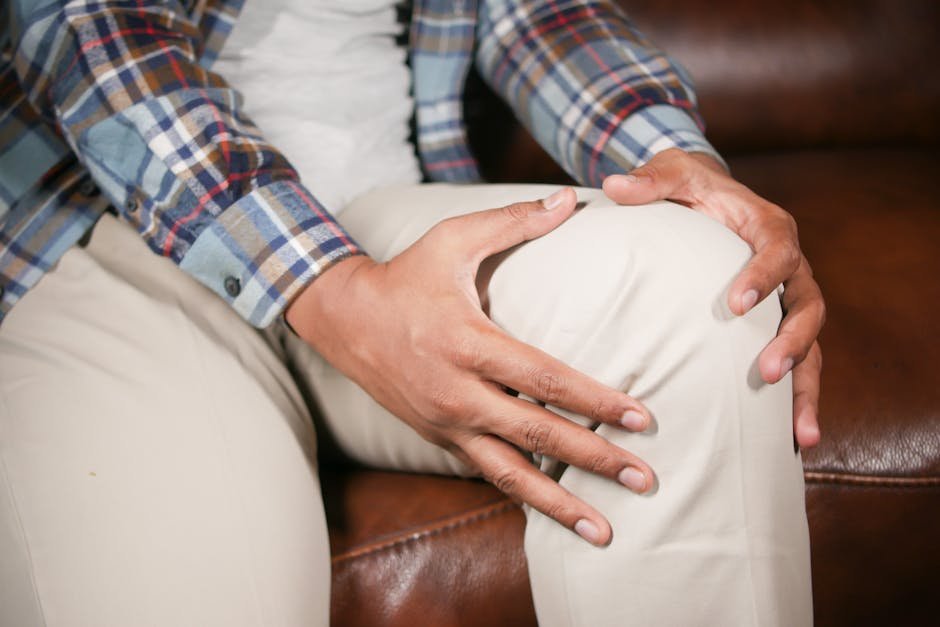
Safe Stretching Routines for Seniors with Knee Pain: Your Complete Guide to Moving with Ease
This post contains affiliate links. As an Amazon Associate, I earn from qualifying purchases at no extra cost to you.
Free resources — no credit card required for trial
🎧 Listen to health & wellness audiobooks free for 30 days
Start 30-Day Free Trial →
🛒 Recommended Products
As an Amazon Associate we earn from qualifying purchases at no extra cost to you.
TheraBand First Step to Active Health Kit — Senior Exercise Program for Balance and Fall P
$19.99
EZ Off Jar Opener for Seniors — Under Cabinet Jar Opener for Weak Hands and Arthritis
$9.99
Omron 5 Series Upper Arm Blood Pressure Monitor — 2-User 100-Reading Memory Wide-Range Cuf
$44.99
OMRON 7 Series Wireless Wrist Blood Pressure Monitor — Clinically Validated with Connect A
$69.99
Vitality 4 Life Senior Resistance Band with Instruction Guide — Specifically for Elderly F
$16.99
📚 Read unlimited health books free for 30 days
Try Kindle Unlimited Free →
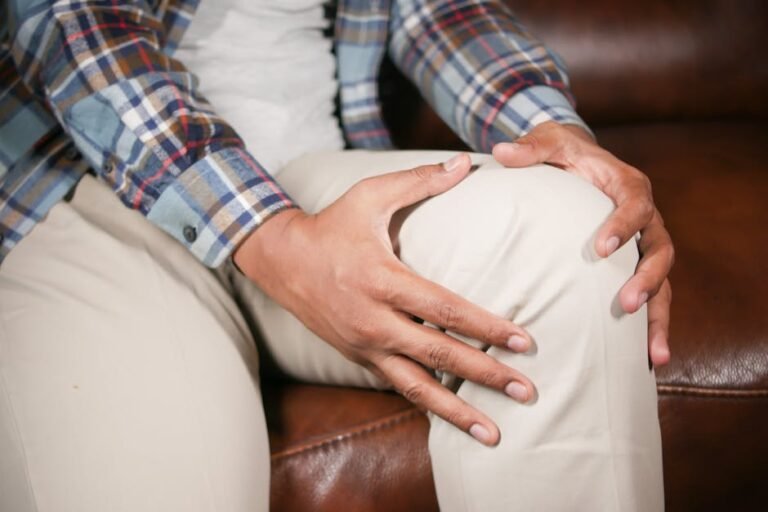
If your knees have been aching lately — or that familiar morning stiffness makes it hard to get moving — you are absolutely not alone. Knee pain is one of the most common complaints among older adults, and it can quietly chip away at your confidence and independence if you let it. The good news? Safe stretching routines for seniors with knee pain are one of the simplest, most accessible tools you have right at your fingertips. No gym membership, no expensive equipment, and no complicated moves required. Just gentle, consistent care that can soften tight muscles, ease stiffness, and help you move through your day with a whole lot more comfort and ease.
Why Stretching Makes Such a Difference for Knee Pain
It might seem counterintuitive to move a joint that’s already uncomfortable, but gentle stretching is genuinely one of the best things you can do for aging knees. When the muscles surrounding your knee — your hamstrings, calves, hip flexors, and glutes — stay flexible and supple, your joint moves more smoothly and experiences less unnecessary pressure. Think of it like keeping the hinges on a door well-oiled. When everything around the hinge is in good shape, the door swings open effortlessly.
Stretching also has a wonderful knock-on effect for your balance and overall mobility. When you can move your legs more freely, everyday tasks like rising from a chair, climbing stairs, or going for a walk become noticeably easier and safer. Many seniors find that a short stretching routine dramatically reduces that heavy, stiff feeling that tends to settle in after sitting or sleeping for a long period.
There’s another benefit that often gets overlooked: stretching the muscles around your hips and calves can actually help keep your knee in better alignment. When surrounding structures are balanced and flexible, your knee joint is less likely to take on uneven stress — which, over time, can make a real difference in how comfortable it feels day to day.
Safe Stretching Principles Every Senior Should Know
Before diving into the stretches themselves, it’s worth taking a moment to understand how to stretch safely and effectively. The most important rule is simple: you should feel a gentle pull, not pain. A mild sensation of stretch is perfectly healthy. Sharp, shooting, or increasing pain is your body’s signal to stop immediately.
Hold each stretch for 15 to 30 seconds and breathe calmly throughout. Avoid the temptation to bounce — bouncing can actually strain the very muscles you’re trying to lengthen. Start with one to two repetitions of each stretch and gradually build from there as your comfort improves over days and weeks.
Always warm up first. Just three to five minutes of gentle movement — marching in place, slow ankle pumps, or easy leg movements while seated — gets blood flowing to your joints and makes stretching far more effective and comfortable. And keep a sturdy chair or wall nearby for balance support. If you have osteoarthritis, a knee replacement, recent injury, or any swelling, have a conversation with your healthcare provider before starting a new stretching routine.
7 Gentle Stretches for Knee Pain You Can Do at Home
These stretches are designed specifically with seniors in mind — all of them can be done at home with minimal equipment. A sturdy chair, a towel or yoga strap, and supportive footwear are all you need. If any stretch causes sharp pain, dizziness, or increased swelling, stop right away and consult a professional.
1. Seated Hamstring Stretch with a Strap: Sit tall in a chair, extend one leg out in front with your heel on the floor and toes pointing up. Loop a towel or strap around the ball of your foot and gently pull it toward you until you feel a stretch along the back of your thigh. Hold for 15–30 seconds and repeat twice on each leg. Keep your back straight — don’t round forward.
2. Seated Knee-to-Chest Hip Opener: Sitting on the edge of your chair, bring one knee up toward your chest, holding it gently with both hands. Hold for 15–30 seconds to feel a gentle release in your hip and lower back, then switch sides. This is wonderfully effective for easing tension that travels down to the knee.
3. Seated Calf Stretch with a Towel: Extend one leg with a towel looped around the ball of your foot. Gently pull the towel toward you with the knee straight (not locked) until you feel a stretch in your calf. Hold 15–30 seconds per side. Because your calf muscles directly influence knee mechanics, this one is a quiet superstar.
4. Standing Calf Stretch at a Wall: Stand an arm’s length from a wall with both hands resting on it. Step one foot back, keeping that heel flat on the floor and the back leg straight. Lean gently forward until you feel a stretch in the back calf. Hold 15–30 seconds per side. Keep a chair nearby if your balance needs support.
5. Standing Hip Flexor Stretch with a Chair: Stand behind a sturdy chair and gently step one foot back, tilting your pelvis slightly forward while keeping your spine tall. You should feel a stretch in the front of the hip on the back leg. Tight hip flexors are a surprisingly common contributor to knee discomfort, so don’t skip this one if it feels comfortable for you.
6. Seated Figure-Four Stretch: Sit tall and cross one ankle over the opposite knee, forming a “4” shape with your legs. Gently press the raised knee downward to feel a stretch deep in your hip and glute. Hold 15–30 seconds per side. Strong, flexible hips mean less strain on your knees — it’s a beautiful connection.
7. Gentle Knee Circles and Ankle Pumps: Seated comfortably, lift one foot slightly off the floor and rotate your ankle in small, slow circles — 10 to 15 seconds in each direction. Then try very gentle knee rotations, keeping feet on the floor and moving within a comfortable range. These dynamic movements help lubricate the joint and are a perfect warm-up before the other stretches.
What You Can Do: Practical Tips for Building a Lasting Routine
Knowing the stretches is just the beginning — the real magic happens when you do them consistently. Here are some friendly, practical ideas to help you make stretching a natural part of your day rather than another thing on your to-do list.
- Start small and stay realistic: Just 5–10 minutes a day is genuinely enough to begin. You don’t need a long session — you need a regular one.
- Choose your favourite three stretches: Pick the ones that feel best and do those consistently before adding others. Simplicity is your friend here.
- Pair stretching with something you already do: Stretch while your morning tea brews, during a TV commercial break, or right after you brush your teeth. Attaching a new habit to an existing one makes it stick.
- Use a gentle reminder: A sticky note on the fridge, a phone alarm, or even just leaving your towel or strap somewhere visible can be the nudge you need.
- Keep equipment simple and accessible: A good yoga strap (easily found on Amazon), a folded towel, and a sturdy dining chair are all you need. Having these visible makes you far more likely to use them.
- Track small wins: Notice when a stretch starts to feel easier, or when morning stiffness eases up a little. These small improvements are worth celebrating — they add up to meaningful change over weeks and months.
- Wear supportive footwear: Even for indoor stretching, shoes or supportive slippers with good traction make a real difference to your stability and comfort.
- Breathe intentionally: Exhale as you lean into each stretch — it helps your muscles release tension more effectively than holding your breath.
Important Precautions to Keep You Safe
Safe stretching routines for seniors with knee pain are genuinely gentle and low-risk when done correctly — but there are a few important things to keep in mind. The most essential rule bears repeating: never push through sharp or worsening pain. A mild stretch sensation is healthy and normal. Pain that intensifies, shoots, or lingers is your body asking you to stop and pay attention.
Avoid deep knee bending or aggressive twisting movements, especially early on. Many seniors find that smaller, more controlled ranges of motion actually feel more beneficial anyway — and they carry far less risk. Always stretch on a stable, non-slip surface, and stay well hydrated before and after your session. Dehydrated muscles are less pliable and more prone to strain.
If you have any swelling, warmth, redness, or noticeable changes around your knee, hold off on stretching and check in with a healthcare provider first. Similarly, if you’ve had recent knee surgery or a significant injury, get professional guidance before starting or adjusting any routine. Your safety always comes first.
When It’s Time to Seek Professional Help
Most cases of everyday knee stiffness and mild discomfort respond beautifully to consistent, gentle stretching over time. However, there are situations where professional support is not just helpful — it’s genuinely important. If your knee pain has persisted for more than two to three weeks despite a gentle routine, it’s time to speak with a doctor or physiotherapist.
Watch for warning signs that warrant prompt attention: swelling, warmth, or redness around the joint; a feeling of instability or “giving way”; the knee locking up during movement; or any sudden significant worsening of pain. These symptoms can indicate conditions that need specific medical assessment rather than a home stretching programme.
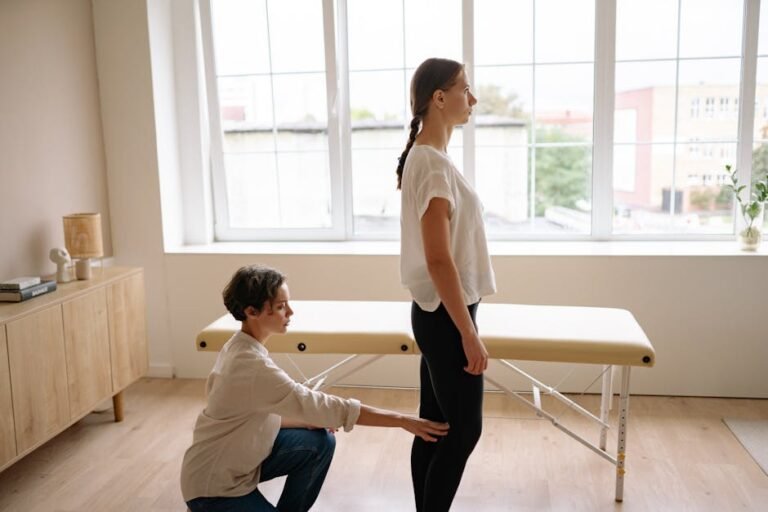
A physiotherapist can be a wonderful ally in your knee health journey. They can assess your specific movement patterns, tailor a stretching and strengthening programme to your individual needs, and provide hands-on guidance to make sure you’re getting the most benefit safely. Many people find even just one or two sessions enormously helpful for building confidence and getting a personalised plan they can follow at home.
The Bottom Line: Safe stretching routines for seniors with knee pain don’t have to be complicated, time-consuming, or intimidating. With just a few minutes a day, the right gentle moves, and a little patience, you can meaningfully improve your knee comfort, flexibility, and overall mobility. The goal isn’t perfection — it’s consistency and care. Every stretch you do with attention and kindness toward your body is a small but real investment in your independence, your balance, and your quality of life. Start where you are, use what you have, and trust that steady, gentle progress adds up. You absolutely deserve to move through your days with greater ease and confidence, one gentle stretch at a time.
This is not medical advice. Consult your healthcare provider before starting any new health routine or using any product mentioned here.