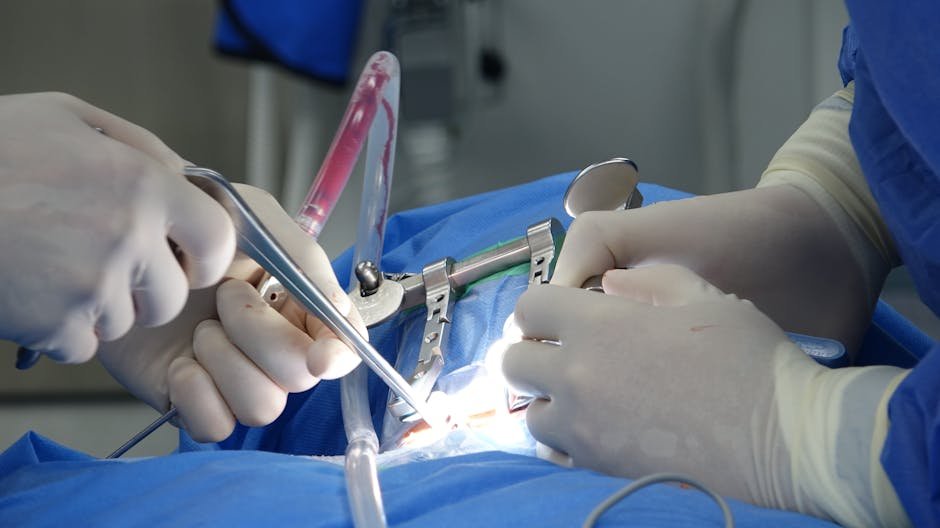
Modern Spinal Surgery: What You Need to Know About Today’s Transformative Treatments
This post contains affiliate links. As an Amazon Associate, I earn from qualifying purchases at no extra cost to you.
Free resources — no credit card required for trial
🎧 Listen to health & wellness audiobooks free for 30 days
Start 30-Day Free Trial →
📚 Read unlimited health books free for 30 days
Try Kindle Unlimited Free →
Your spine is one of the most important structures in your entire body — and yet most of us don’t think about it until something goes wrong. Whether it’s a dull ache that won’t quit, a sharp pain that takes your breath away, or that unsettling tingling sensation running down your leg, spinal problems can stop you in your tracks. For a long time, the idea of modern spinal surgery felt intimidating — something to be dreaded or avoided at all costs. But here’s the thing: the world of spinal care has changed dramatically, and today’s options are more precise, more effective, and more patient-focused than ever before. If you or someone you love is navigating a spinal health challenge, this guide will walk you through everything you need to know — from understanding your spine to the remarkable advances reshaping how surgery is performed today.
Why Your Spine Deserves More Attention Than You’re Giving It
Think of your spine as the central pillar of a magnificent, intricate machine — your body. It’s a complex stack of bones called vertebrae, separated by cushioning discs, held together by ligaments, and supported by powerful muscles. Together, these structures allow you to stand tall, bend, twist, reach, and move through life. But your spine does more than keep you upright. It also houses and protects your spinal cord, the vital bundle of nerves that carries messages back and forth between your brain and every other part of your body.
Like any sophisticated system, your spine can be vulnerable to wear and tear over time. Aging, injury, genetics, and lifestyle factors can all contribute to what doctors call “degenerative processes” — essentially, the natural breakdown that leads to conditions like disc herniations, spinal stenosis (a narrowing of the spinal canal), and osteoarthritis. In less common cases, spinal problems may stem from injuries, birth defects, or tumours. When any of these issues start compromising your spine’s ability to do its job, the results can be debilitating: chronic pain, numbness, weakness, and a significant drop in your quality of life.
The encouraging reality is that most spinal conditions are highly treatable — and understanding your options is the first step toward getting your life back.
Conservative Care: Your First and Often Most Powerful Tool
Here’s something that might surprise you: when spinal symptoms first appear, surgery is rarely the first recommendation. In fact, for the vast majority of people experiencing spinal pain or discomfort, the initial approach focuses on what healthcare professionals call “conservative management.” This means supporting your body’s natural ability to heal and reducing symptoms through non-invasive methods — giving your spine every opportunity to recover on its own.
Conservative care is far from a passive process. It’s an active, structured approach that often combines several strategies working together. Physical therapy is frequently at the heart of this approach — a skilled physiotherapist will guide you through targeted exercises designed to strengthen the muscles supporting your spine, improve your flexibility, correct your posture, and retrain your movement patterns. This kind of work builds long-term resilience, not just short-term relief.
Beyond physical therapy, conservative care may include over-the-counter or prescription medications to manage pain and reduce inflammation, therapeutic injections that deliver anti-inflammatory agents directly to the source of pain, and lifestyle modifications like improving your workplace ergonomics, adjusting your sleep position, managing your weight, or incorporating gentle activities like walking and swimming into your daily routine. What’s truly encouraging is how often this combination of approaches works — many people find meaningful, lasting relief without ever needing surgery.
When Modern Spinal Surgery Becomes the Right Conversation
As effective as conservative treatments are, they don’t work for everyone. There are situations where symptoms persist, worsen over time, or reach a point where they’re seriously interfering with everyday life. In other cases — particularly when nerves are being progressively compressed or damaged — waiting too long can actually be harmful. Signs like worsening weakness in the arms or legs, increasing numbness, or problems with bladder or bowel control can indicate that a more urgent intervention is needed.
In these circumstances, modern spinal surgery isn’t a last resort to be feared — it’s a carefully considered, potentially life-changing pathway to relief. The decision to operate is never made lightly. Your healthcare team will carry out a thorough evaluation, looking at the nature and severity of your condition, how your symptoms are affecting your daily functioning, your overall health and fitness for surgery, and a clear-eyed assessment of the potential benefits and risks involved.
The overarching goals of spinal surgery are to relieve pain, decompress irritated or damaged nerves, stabilise the spine, or correct structural deformities — all with the aim of restoring function and significantly improving your quality of life. When the right patient is matched with the right procedure at the right time, the results can be genuinely transformative.
The Remarkable Advances Redefining Modern Spinal Surgery
If your mental image of spinal surgery is still rooted in what you may have heard about decades ago, it’s time for a major update. Modern spinal surgery has undergone a profound evolution, shifting from a largely experience-based practice to a precision-driven, evidence-based discipline. The combination of cutting-edge technology, innovative surgical techniques, and improved patient care protocols has changed the picture entirely.
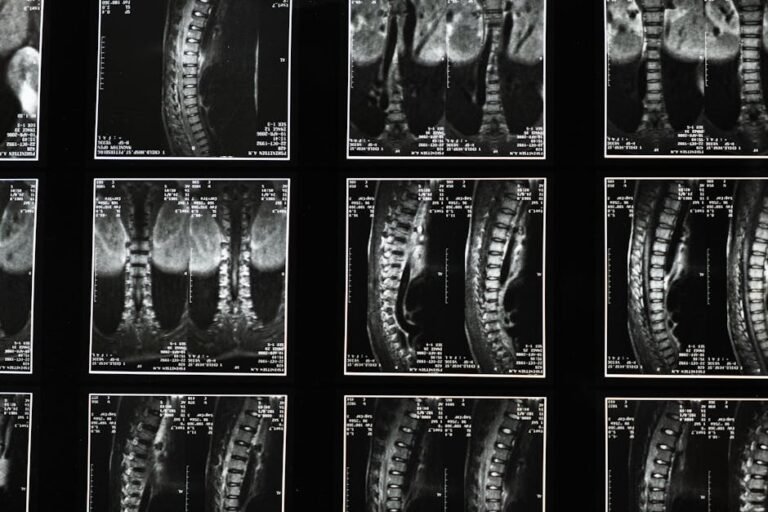
Advanced imaging tools like MRI and CT scans now give surgeons extraordinarily detailed, three-dimensional maps of your spine, allowing them to pinpoint the exact source of a problem with remarkable accuracy. This means interventions can be highly targeted — no guesswork involved. Minimally invasive surgical techniques have also become increasingly common, using smaller incisions that cause less disruption to surrounding muscles and soft tissues. The result? Less blood loss, reduced post-operative pain, and often significantly faster recovery times compared to traditional open surgery.
The implants used in spinal procedures — screws, rods, fusion devices — have also improved dramatically. They’re now stronger, more compatible with the human body, and designed to fit individual patient anatomy far more precisely, leading to better long-term stability and outcomes. Perhaps most impressively, intraoperative navigation systems and even robotic assistance now allow surgeons to operate with GPS-like precision, enhancing both safety and accuracy, particularly in complex cases. And the care surrounding surgery — before, during, and after — has improved too, with optimised pain management, early movement protocols, and tailored rehabilitation plans all contributing to smoother, faster recoveries.
What You Can Do: Practical Tips for Your Spine Health Journey
Whether you’re in the early stages of dealing with back pain, considering surgery, or recovering from a spinal procedure, being proactive and well-informed makes an enormous difference. Here are some practical, actionable steps you can take right now to support your spine health and navigate your care journey with confidence:
- Be an active participant in your care. Ask questions at every appointment. Make sure you understand your diagnosis, what’s causing your symptoms, and what each treatment option involves. Your care is a partnership between you and your healthcare team.
- Commit fully to conservative care if it’s recommended. Physical therapy, lifestyle changes, and other non-surgical approaches work best when you’re consistent. Don’t give up after a few sessions — give your body the time it needs to respond.
- Seek a comprehensive evaluation. Your spinal health doesn’t exist in isolation. A good healthcare provider will look at your overall health picture — including your weight, activity levels, posture habits, and general wellbeing — when developing a treatment plan.
- Don’t be afraid to get a second opinion. If surgery is being recommended and you’re not sure, seeking the perspective of another specialist is entirely reasonable and often very helpful. It can give you peace of mind and help you make a truly informed decision.
- Prepare thoroughly if surgery is the chosen path. Find out what the recovery process will involve, arrange for practical support at home, and commit to following your post-operative instructions and rehabilitation plan carefully. Preparation makes a real difference to outcomes.
- Prioritise your overall health. A balanced diet, regular gentle exercise, maintaining a healthy weight, and not smoking all have a meaningful positive impact on spinal health — and on surgical outcomes if an operation does become necessary.
- Support your posture and spine daily. Ergonomic chairs, lumbar support cushions, and supportive pillows can make a surprising difference to how your spine feels day to day — especially if you spend long hours sitting at a desk.
- Stay informed but avoid health anxiety spirals. It’s great to learn about your condition, but try to rely on reputable sources and your healthcare team rather than falling down frightening internet rabbit holes.
Navigating spinal issues can feel overwhelming at times — but you don’t have to go through it alone, and you have more options than ever before. Small, consistent steps in the right direction really do add up.
Looking Ahead: Hope and Progress in Spinal Care
One of the most important things to hold onto if you’re dealing with a spinal condition is this: the field of spinal care is moving forward rapidly, and the future looks genuinely promising. Research into new surgical techniques, smarter implant technologies, better rehabilitation strategies, and even regenerative medicine approaches is ongoing. The goal isn’t just to fix a structural problem — it’s to restore your ability to live fully, move freely, and enjoy the things that matter most to you.
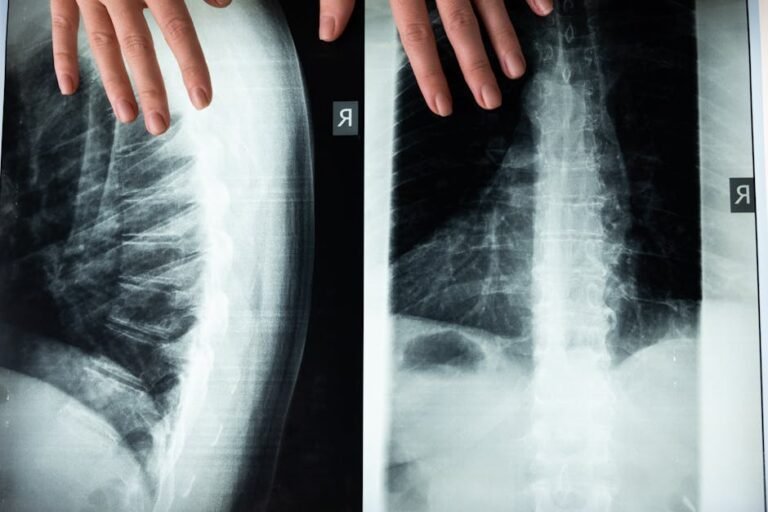
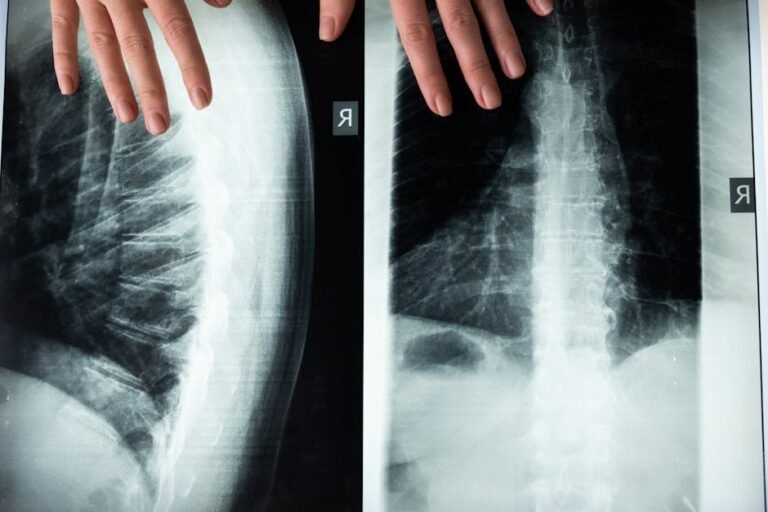
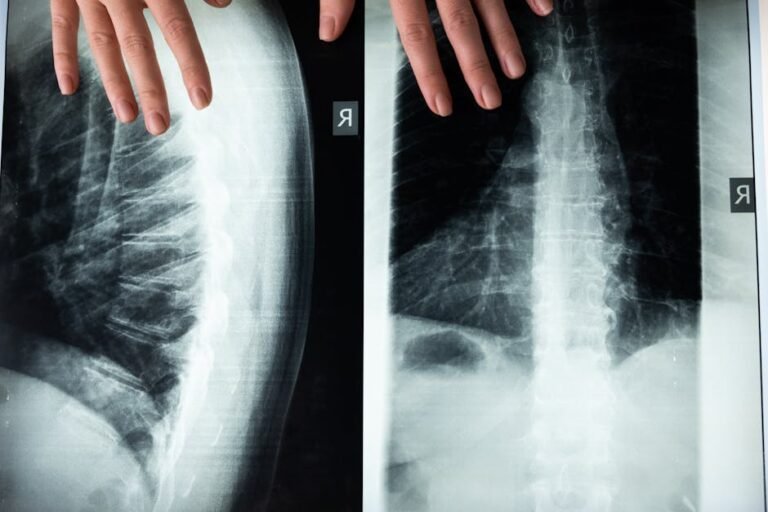
It’s also worth remembering that surgical decisions in the modern era are guided by rigorous clinical assessment and sophisticated diagnostic tools, not guesswork. Your surgeon isn’t just looking at an X-ray and making a judgement call — they’re drawing on detailed imaging, clinical evidence, and individualised evaluation to chart the most appropriate course of action for your specific situation.
If you’ve been putting off addressing your spine pain out of fear, uncertainty, or a sense that “it’ll probably get better on its own,” consider this your gentle encouragement to take action. A conversation with your GP or a spinal specialist could open the door to relief you didn’t think was possible. Many people who felt their spinal issues were just something they had to live with have found, through the right combination of conservative care or modern surgical intervention, that they could reclaim their lives in ways they hadn’t dared to hope for.
The Bottom Line: Modern spinal surgery has come a long way from the daunting procedures of the past. Today, it’s a precision-driven, evidence-based discipline supported by extraordinary advances in imaging, minimally invasive techniques, surgical robotics, and patient care. But surgery is always part of a bigger picture — one that begins with thorough conservative care and careful, informed decision-making. Whether you’re managing early back pain or facing a more complex spinal condition, the key is to stay informed, be proactive, work in partnership with your healthcare team, and take good care of your overall health. Your spine has carried you this far — with the right support, it can carry you much further.
This is not medical advice. Consult your healthcare provider before starting any new health routine or using any product mentioned here.