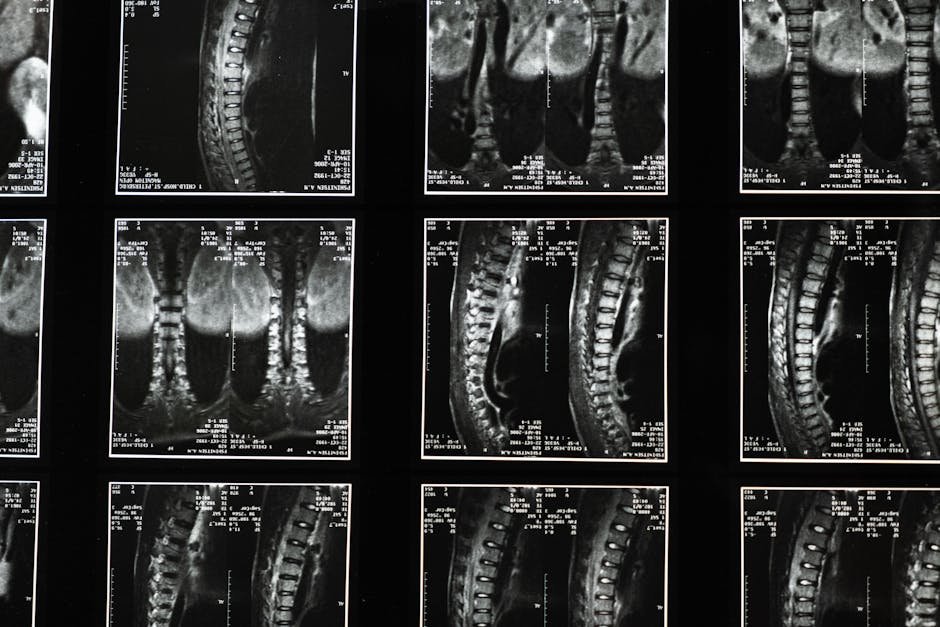
Muscular Endurance and Motor Control: Why These Two Things Matter More Than You Think for Spine Health
This post contains affiliate links. As an Amazon Associate, I earn from qualifying purchases at no extra cost to you.
Free resources — no credit card required for trial
🎧 Listen to health & wellness audiobooks free for 30 days
Start 30-Day Free Trial →
🛒 Recommended Products
As an Amazon Associate we earn from qualifying purchases at no extra cost to you.
Branfit Shoulder and Back Brace Posture Corrector — Breathable Posture Trainer for Upper B
$24.99
Posture Corrector for Women and Men — Comfortable Effective Brace for Shoulder and Back Pa
$22.99
Bodywellness Posture Corrector for Men and Women — Adjustable Back Straightener with Clavi
$19.99
Updated Posture Corrector — Adjustable Upper Back Brace for Clavicle Support and Neck Pain
$21.99
TRIDUCNA Shiatsu Neck Back and Shoulder Massager with Heat — Deep Tissue 3D Kneading Pillo
$49.99
📚 Read unlimited health books free for 30 days
Try Kindle Unlimited Free →
Think about everything your body does before you’ve even finished your morning coffee. You bent over to pick something up, twisted to grab your bag, sat down at a desk, maybe reached across the counter — and your spine handled all of it without a second thought. But what happens when that silent, behind-the-scenes coordination starts to break down? For millions of people, the answer is persistent back pain, stiffness, and a nagging feeling that something just isn’t quite right. Two of the most common — and most overlooked — culprits behind these everyday struggles are impaired muscular endurance and motor control deficits. Understanding what these terms actually mean (in plain English) could be the key to finally getting your spine back on track.
Your Spine Is More Sophisticated Than You Realise
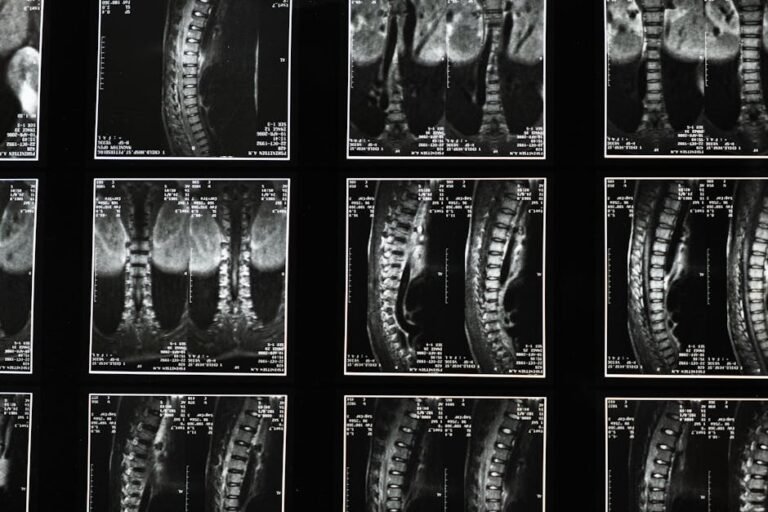
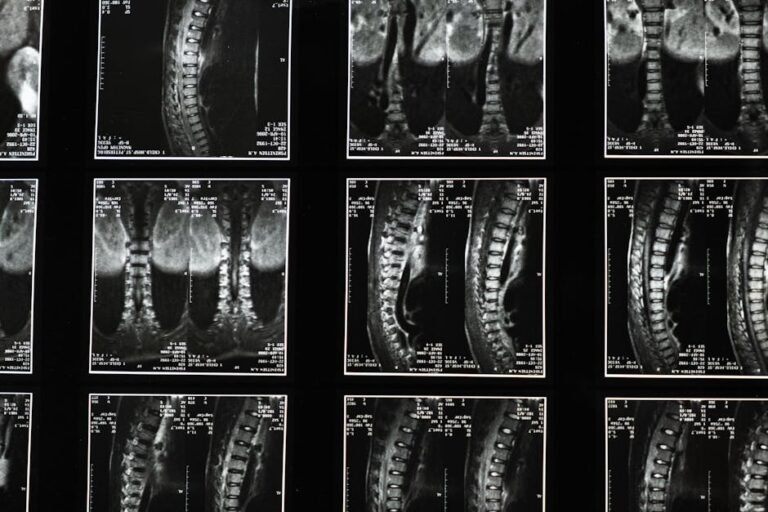
Most of us think of the spine as a simple column of bones. In reality, it’s one of the most impressively engineered structures in the human body. Your spine is made up of individual vertebrae (the bones), intervertebral discs that act as shock-absorbing cushions between each one, a network of ligaments for stability, and — crucially — a complex web of muscles that hold the whole system together. When everything is working in harmony, it’s an absolute marvel of engineering.
What makes spinal muscles especially remarkable is that they’re not just about brute strength. They perform a highly coordinated job, constantly making tiny adjustments to keep you upright, balanced, and able to move safely. They also send your brain continuous feedback about where your body is in space — a process called proprioception. Think of them as your spine’s internal GPS system. When you’re healthy and active, these muscles do their job so quietly and efficiently that you barely notice them. It’s only when things start going wrong that you realise just how much they were doing in the background.
What Are Impaired Muscular Endurance and Motor Control Deficits — And How Do They Happen?
Let’s break these two terms down, because they’re at the heart of so many spine-related problems that never quite get the attention they deserve.
Impaired muscular endurance means your spinal muscles fatigue much faster than they should. Imagine holding a heavy grocery bag at arm’s length — eventually your muscles give out. Now imagine your spine’s support muscles doing the same thing halfway through your workday, leaving your joints, ligaments, and discs to absorb stress they were never designed to handle long-term. That’s what’s happening for many people who experience back pain after sitting for a while or after being on their feet all day.
Motor control deficits are about timing and coordination rather than strength. Your muscles need to fire in the right sequence and at the right moment to protect your spine during movement. When this coordination breaks down, a stabilising muscle that should activate before you bend or lift might be slow off the mark — or barely activate at all. The result is movement that isn’t as controlled or efficient as it should be, leaving your spine vulnerable to strain and injury even during ordinary tasks.
How do these problems develop? Modern life is a big contributor. Prolonged sitting, especially in poor postures, leads to muscle imbalances where some muscles become weak and sluggish while others become chronically overworked. Repetitive awkward movements at work or during hobbies, acute injuries, and even the gradual changes that come with ageing can all quietly disrupt the finely tuned coordination your spine depends on. Often, the dysfunction creeps in so gradually that you don’t notice it until the pain becomes hard to ignore.
The Domino Effect: How These Deficits Impact Your Daily Life
The ripple effects of impaired muscular endurance and motor control deficits go far beyond a sore back at the end of the day. When your spinal muscles aren’t doing their job properly, other structures — your discs, ligaments, and joint capsules — are forced to pick up the slack. Over time, this extra loading leads to chronic pain that can radiate into your arms, legs, or buttocks, and a level of stiffness that makes even simple movements feel laboured.
Postural changes are another common consequence. Your body is incredibly clever at adapting, but it doesn’t always adapt helpfully. Muscle weakness and poor coordination can lead to slouching, a forward head posture, or an exaggerated curve in the lower back — all of which put even more strain on already vulnerable tissues and create a frustrating cycle of pain and dysfunction.
Perhaps the most underappreciated impact is on quality of life. When chronic back or neck pain limits what you can do at work, makes it hard to enjoy your hobbies, or stops you from being as active with family and friends as you’d like to be, it affects your mood, energy, and sense of freedom. The physical problem quickly becomes an emotional and social one too. The good news is that this cycle is very much breakable — and that’s where physical therapy comes in.
How Physical Therapy Addresses Muscular Endurance and Motor Control at the Root
Physical therapy is widely considered one of the most effective conservative approaches for spinal problems precisely because it targets these underlying causes — not just the symptoms. A good physio isn’t simply going to hand you a sheet of generic back exercises. They’ll take the time to identify what’s actually going wrong: Are your deep stabilising muscles switching on properly? Are your movement patterns putting unnecessary strain on certain areas? Is it an endurance problem, a coordination problem, or both?
One of the most powerful tools in physical therapy for these issues is neuromuscular re-education — essentially, retraining your brain and muscles to communicate and work together the way they’re supposed to. Think of it as resetting the software that controls how your body moves. Through carefully guided exercises and movement patterns, your nervous system can gradually “relearn” how to stabilise and load your spine efficiently. This process draws on principles of motor learning, meaning the exercises aren’t just repetitive — they’re mindful, progressive, and designed to build lasting change rather than temporary relief.
Physical therapy also involves targeted strengthening to build up the endurance of the deep stabilising muscles — the ones that work quietly in the background to protect each segment of your spine. And crucially, it includes patient education. Understanding why you’re doing certain exercises, how your body works, and what habits might be contributing to your pain empowers you to take real ownership of your recovery. The goal is always long-term resilience, not just short-term symptom relief.
What You Can Do Right Now: Practical Tips for Spine Health
While working with a qualified physical therapist is the gold standard for addressing specific muscular endurance and motor control issues, there’s plenty you can do in your everyday life to support a healthier, more resilient spine. Small, consistent habits genuinely add up over time.
- Move more throughout the day: Our bodies are built for movement, not marathon sitting sessions. Set a reminder to stand up, stretch, or take a short walk for a few minutes every hour. Even gentle movement helps keep your spinal muscles active and your discs nourished.
- Work on your posture — without obsessing: Aim for a neutral spine when sitting and standing — not rigidly straight, and not slumped. A good ergonomic chair or a lumbar support cushion can make a big difference if you work at a desk.
- Gently engage your deep core muscles: A strong core isn’t about six-pack abs. Try gently drawing your lower belly inward — not sucking in hard, just a gentle activation — while you’re sitting, standing, or lifting. This helps support your lower back during daily activities.
- Stay well hydrated: Your intervertebral discs are largely made of water and depend on good hydration to maintain their shock-absorbing ability. Drinking enough water supports the health of all your spinal tissues.
- Listen to your body’s signals: Pain is your body’s way of communicating. If a certain movement consistently causes discomfort, try modifying it rather than pushing through. Persistent pain that doesn’t settle within a few days is worth getting properly assessed.
- Don’t put off getting professional help: If you’re experiencing ongoing back or neck pain, stiffness, or a sense that your body just isn’t moving the way it used to, a physical therapist can assess what’s actually going on beneath the surface and create a plan tailored specifically to you.
- Consider supportive tools: Ergonomic supports, foam rollers, and resistance bands can all play a supporting role in a spine health routine — especially when used alongside proper guidance.
Building these habits into your daily life won’t solve deep-seated motor control or endurance problems overnight, but they create a much healthier foundation for your spine to function well over the long term.
When to Seek Professional Guidance for Muscular Endurance and Motor Control Issues
It’s easy to dismiss back or neck discomfort as “just part of life” — especially if you’ve been living with it for so long that it feels normal. But chronic or recurring pain, a sense of instability, stiffness that limits your range of motion, or pain that radiates into your arms or legs are all signs that something functional may be going wrong with how your spine is being supported and controlled. These aren’t problems you need to just put up with.
A qualified physical therapist is trained to look beyond the site of your pain to identify the patterns of dysfunction driving it. They can carry out a thorough movement assessment, pinpoint whether impaired muscular endurance, motor control deficits, or both are contributing to your symptoms, and guide you through an evidence-based rehabilitation programme. The earlier you address these issues, the better — not just for resolving current pain, but for preventing future flare-ups and protecting your long-term mobility.
If you’re unsure where to start, your GP can refer you to a physiotherapist on the NHS, or you can self-refer to a private practice. Either way, getting a proper assessment is one of the most worthwhile investments you can make in your long-term health. Your spine is with you for life — it deserves the attention.
The Bottom Line: Impaired muscular endurance and motor control deficits might not be the most well-known causes of back and neck pain, but they’re among the most significant. When your spinal muscles tire too quickly or lose their precise coordination, the whole system is thrown off balance — leading to chronic pain, stiffness, postural changes, and a reduced quality of life. The encouraging truth is that these are very treatable issues. Physical therapy, guided by a skilled practitioner and supported by consistent daily habits, can help restore your spine’s natural rhythm, rebuild your muscular endurance, and get you back to moving with confidence and ease. You don’t have to accept pain as inevitable — understanding what’s really going on is the first and most important step forward.
This is not medical advice. Consult your healthcare provider before starting any new health routine or using any product mentioned here.