Multifidus and Rotatores: The Deep Spinal Muscles That Hold the Secret to a Pain-Free Back
This post contains affiliate links. As an Amazon Associate, I earn from qualifying purchases at no extra cost to you.
Free resources — no credit card required for trial
🎧 Listen to health & wellness audiobooks free for 30 days
Start 30-Day Free Trial →
🛒 Recommended Products
As an Amazon Associate we earn from qualifying purchases at no extra cost to you.
Branfit Shoulder and Back Brace Posture Corrector — Breathable Posture Trainer for Upper B
$24.99
Posture Corrector for Women and Men — Comfortable Effective Brace for Shoulder and Back Pa
$22.99
Bodywellness Posture Corrector for Men and Women — Adjustable Back Straightener with Clavi
$19.99
Updated Posture Corrector — Adjustable Upper Back Brace for Clavicle Support and Neck Pain
$21.99
TRIDUCNA Shiatsu Neck Back and Shoulder Massager with Heat — Deep Tissue 3D Kneading Pillo
$49.99
📚 Read unlimited health books free for 30 days
Try Kindle Unlimited Free →
Ever bent down to pick something up off the floor and felt that familiar, nagging twinge in your lower back? Or maybe you live with a dull, persistent ache that just won’t quit — no matter how many stretches you try or how many times you remind yourself to “sit up straight.” If that sounds familiar, you’re not alone, and the answer might not lie in the muscles you can see or feel on the surface. Hidden deep within your spine, a remarkable team of tiny muscles — including the multifidus and rotatores — work around the clock to keep every vertebra in your back stable, aligned, and protected. When these deep spinal muscles are functioning well, your back feels strong and resilient. When they’re not, pain and injury often follow. Understanding what these muscles do — and how to keep them healthy — could genuinely change the way your back feels every single day.
Why the Deep Muscles of Your Spine Matter More Than You Think
Most of us, when we think about back strength, picture the large, powerful muscles that run along either side of the spine — the erector spinae — or the broad, sweeping muscles of the upper back like the latissimus dorsi. These are the muscles you can feel working when you lift something heavy or pull yourself up. They generate impressive force and play a real role in keeping you upright and moving. But they’re not the whole story, not even close.
Beneath these surface-level “global” muscles lies a sophisticated network of smaller, deeper muscles that most people have never heard of. This deep layer includes the multifidus, rotatores, interspinales, and intertransversarii. Together, these muscles form the true architectural foundation of your spine. While the big muscles handle sweeping, powerful movements, these deep muscles are all about precision — fine-tuning, stabilising, and guiding every individual vertebra with extraordinary care.
Think of your spine like a skyscraper. The visible outer structure gives it its shape and power, but the real stability comes from the deep, intricate internal framework that you never see. Without that inner scaffolding, the whole structure becomes vulnerable. Your deep spinal muscles are that inner scaffolding. And the multifidus and rotatores are arguably the most important members of that team.
What the Multifidus and Rotatores Actually Do
Your spine isn’t one solid rod — it’s a beautifully engineered stack of individual bones called vertebrae, cushioned by discs and connected by joints. Every two adjacent vertebrae form what’s called a “motion segment,” and each one needs to be controlled and stabilised independently. That’s exactly what the multifidus and rotatores specialise in. Rather than moving your back as a whole, they act as tiny, precise stabilisers at each individual motion segment — like careful, attentive guardians stationed at every single level of your spine.
This localised, segmental stability is crucial. When the vertebrae in one part of your spine move too much or in the wrong direction, discs get compressed, nerves get irritated, and pain follows. The multifidus and rotatores help prevent that from happening, keeping every segment moving in a smooth, coordinated way that protects the delicate structures around it.
But here’s where it gets really fascinating: these deep spinal muscles are exceptionally rich in specialised sensory nerve endings. This means they play a critical role in proprioception — your body’s ability to sense where it is in space without having to look. Close your eyes and touch your nose; that’s proprioception. Your deep spinal muscles are constantly sending signals to your brain about your spine’s position, tension, and movement. It’s like an internal GPS, running non-stop in the background, allowing your brain to make split-second adjustments and keep your spine safe — even during complex, fast-moving activities. Without this feedback system working properly, your brain essentially loses its map, and your spine becomes far more vulnerable to strain and injury.
The Surprising Connection Between These Muscles and Back Pain
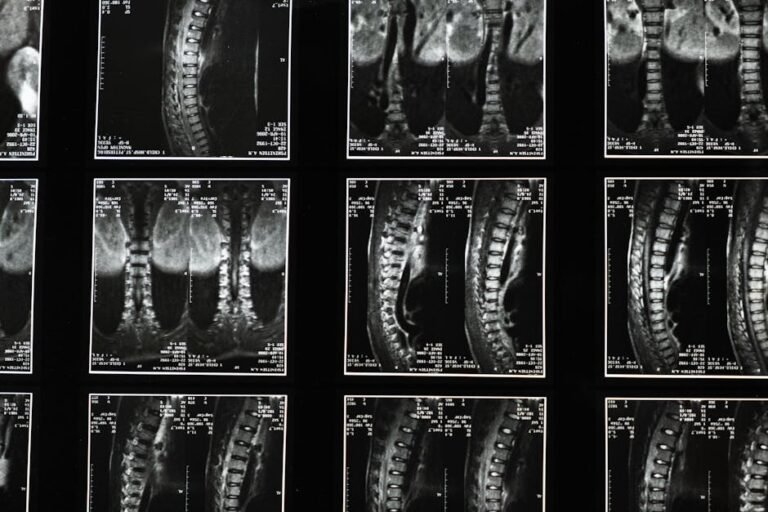
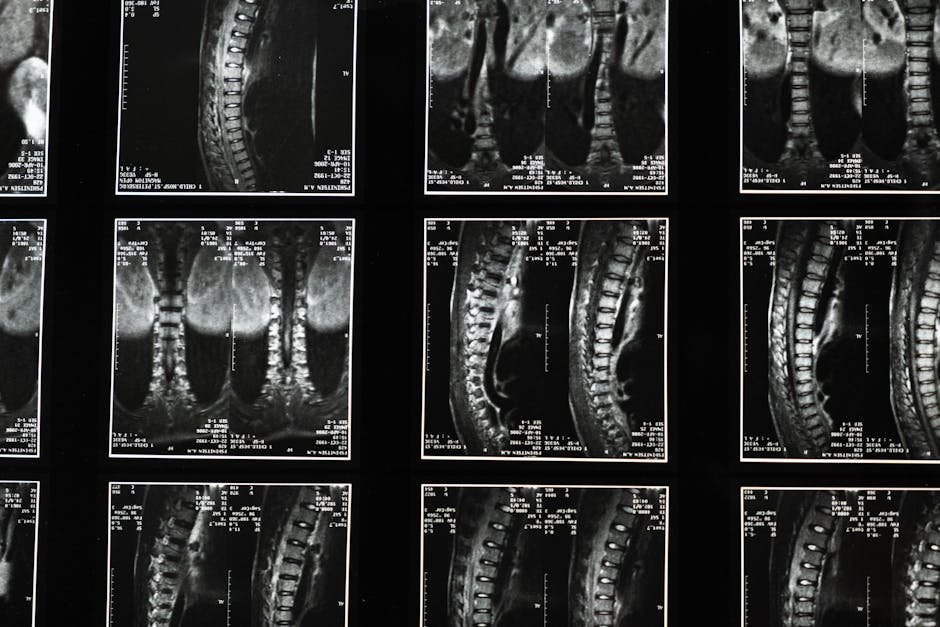
If you’ve ever struggled with chronic low back pain, there’s a good chance the multifidus muscles are part of the story. Research has consistently shown that in people living with ongoing back pain, these deep stabilising muscles often show signs of atrophy — meaning they shrink in size — or undergo what’s called “fatty infiltration,” where healthy muscle tissue is gradually replaced by fat. This tends to happen on the same side of the spine as the pain, and it can persist long after the initial injury or episode has resolved.
Even more telling is what happens with the timing of these muscles. In a healthy back, the multifidus and rotatores activate fractionally before movement begins, bracing and stabilising the spine in anticipation of load or motion. In people with back pain, this timing goes wrong. The muscles may fire too late, too early, or barely at all — leaving the spine unprotected during those critical moments when it needs support most. Over time, this throws off the spine’s entire coordination system, creating a cycle of instability and pain that’s frustratingly hard to break.
This is also why simply doing crunches or working on “core strength” in the traditional sense often doesn’t resolve deep-seated back pain. The surface-level muscles can get stronger, but if the deep stabilisation system underneath isn’t functioning correctly, there’s still a missing piece. Modern rehabilitation approaches increasingly recognise this, placing a strong emphasis on restoring deep muscle function as a key part of long-term spinal recovery.
What You Can Do: Practical Tips for Supporting Your Deep Spinal Muscles
The encouraging news is that the multifidus and rotatores can absolutely be retrained and reactivated. These muscles respond well to the right kind of attention — the key is working with them thoughtfully, rather than just piling on more general exercise. Here are some practical, evidence-informed steps you can take to nurture your deep spinal health:
- Work with a professional first: Because these muscles are deep and their activation is subtle, learning to engage them properly often requires expert guidance. A qualified physiotherapist, osteopath, or specialist trainer can assess how your deep spinal muscles are functioning and create a targeted programme tailored to your needs. This is especially important if you’re currently dealing with pain.
- Rethink what “core” means: True core stability isn’t about having a visible six-pack — it’s about control and support from your deepest layers. Try gently drawing your lower abdomen inward (without sucking in dramatically), or think about lightly engaging your pelvic floor. These subtle cues help activate the deep stabilising system that includes the multifidus.
- Explore Pilates, yoga, or Tai Chi: When practised with proper form and body awareness, these disciplines are excellent for improving spinal mobility and quietly activating the deep stabilisers. The key is quality of movement over quantity — slow, controlled, mindful motion is far more beneficial than rushing through repetitions.
- Pay attention to posture throughout your day: Small, consistent habits matter enormously. Check in with yourself at your desk, in the car, or while standing in a queue. Are your shoulders rounded? Is your lower back slumped or overarched? Gentle, regular corrections throughout the day take pressure off your spine and support your deep muscles.
- Stay active with low-impact exercise: Walking, swimming, and cycling all promote circulation and overall muscle health, which benefits your deep spinal muscles indirectly. You don’t need to do anything extreme — consistency is far more important than intensity.
- Move mindfully when lifting: Before picking something up, take a moment to brace your core gently and use your legs. Sudden, uncontrolled movements are exactly the scenario where deep muscle timing fails and injuries happen.
- Listen to your body’s signals: Pain is always trying to tell you something. If a movement or exercise causes discomfort, stop and seek advice rather than pushing through. Working in partnership with your body — rather than against it — is the foundation of lasting spinal health.
If you’re looking for tools to support your practice at home, a quality foam roller or a resistance band set designed for rehabilitation exercises can be a helpful addition to your routine. Just make sure you’re using them under appropriate guidance, especially if you’re new to targeted spinal exercises.
Building a More Resilient Spine: The Long-Term View
One of the most empowering shifts you can make for your back health is moving away from the idea that pain is simply something to manage and towards the idea that the underlying cause can genuinely be addressed. When you understand that the multifidus and rotatores play such a central role in spinal stability and the brain’s ability to coordinate movement, it becomes clear why so many back pain sufferers feel like they’re going in circles — treating symptoms rather than roots.
Rebuilding the function of these deep muscles takes time, patience, and the right approach. There are no dramatic shortcuts. But the payoff — a spine that feels genuinely stable, movements that feel fluid and confident, and days that aren’t defined by aching discomfort — is absolutely worth the investment. Many people who commit to addressing their deep spinal muscle function through guided rehabilitation report not just reduced pain, but a whole new relationship with their bodies. They feel more grounded, more aware, and more in control.
It’s also worth remembering that these muscles thrive on regular, varied movement. Our modern, largely sedentary lifestyles — long hours at desks, minimal walking, extended periods of sitting — are genuinely difficult for the deep spinal system. Breaking up sedentary time with short bursts of movement, making walking a daily habit, and bringing more mindfulness to how you use your body are all simple, accessible ways to keep these vital muscles engaged and healthy over the long term.
Knowing When to Seek Professional Help for Spinal Muscle Health
While a lot can be done through lifestyle changes and home exercise, there are times when professional support isn’t just helpful — it’s essential. If you’re experiencing persistent or worsening back pain, pain that radiates down your legs, numbness or tingling, or any sudden or severe symptoms, please don’t try to self-diagnose or self-treat. These could be signs of conditions that need proper assessment and care.
Even if your back issues are relatively mild, getting a professional assessment of your deep spinal muscle function can be genuinely eye-opening. Many physiotherapists and movement specialists use techniques like real-time ultrasound imaging to actually visualise the multifidus and assess how well it’s activating — something that would have seemed extraordinary just a few decades ago. This kind of targeted assessment can reveal exactly where the gaps in your spinal control system are, allowing for a much more precise and effective rehabilitation plan.
Don’t underestimate the value of this kind of expert input. The deep muscles we’ve been talking about are, by their very nature, subtle and hard to feel from the outside. Having someone skilled help you find and activate them correctly can fast-track your progress enormously and help you avoid the frustration of putting in effort without seeing results.
The Bottom Line: The multifidus and rotatores might be small, but their role in your spinal health is anything but minor. These deep spinal muscles are your spine’s secret stabilisers — constantly working to protect each vertebra, fine-tune every movement, and keep your brain accurately informed about what your back is doing. When they’re functioning well, your spine is resilient and pain-resistant. When they’re not, chronic pain and vulnerability often follow. The great news is that with the right knowledge, professional guidance, and a commitment to mindful movement, you can actively support and retrain these muscles — building a foundation for a stronger, healthier, and more comfortable back for years to come.
This is not medical advice. Consult your healthcare provider before starting any new health routine or using any product mentioned here.