Neurodynamic Approaches: How Freeing Your Nerves Can Transform Spine Health and Movement
This post contains affiliate links. As an Amazon Associate, I earn from qualifying purchases at no extra cost to you.
Free resources — no credit card required for trial
🎧 Listen to health & wellness audiobooks free for 30 days
Start 30-Day Free Trial →
📚 Read unlimited health books free for 30 days
Try Kindle Unlimited Free →
Have you ever felt that deep, nagging stiffness in your back or a strange shooting sensation down your leg that just won’t go away — no matter how much you stretch? You’re not alone. Millions of people struggle with limited movement and unexplained discomfort, often assuming it’s simply tight muscles or a worn-out spine. But here’s something that might surprise you: your nerves could be at the heart of the problem. Neurodynamic approaches — techniques designed to restore the natural mobility of your nervous system — are quietly revolutionising the way we think about spine health, flexibility, and pain-free movement. And understanding them could be the missing piece in your own wellness puzzle.
Your Spine: An Engineering Marvel Built for Both Strength and Movement
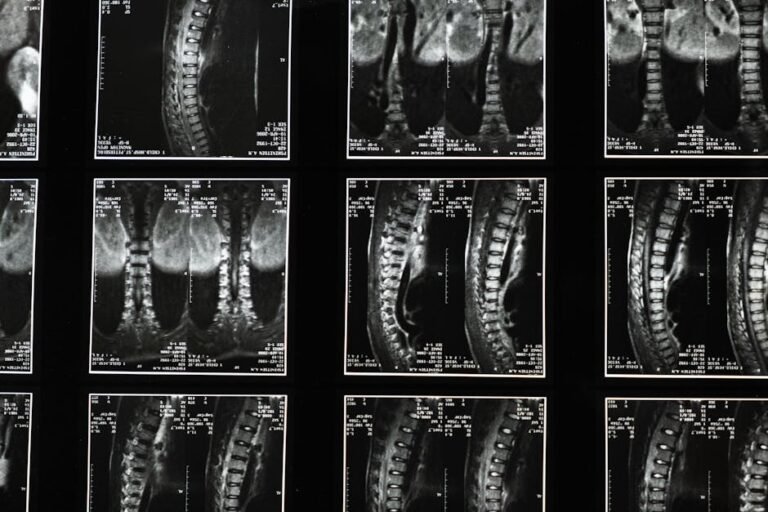
Before we dive into the world of neurodynamic approaches, it helps to appreciate just how extraordinary your spine really is. Far more than a simple stack of bones, your spine is the central pillar of your entire body. It holds you upright, lets you twist and bend in countless directions, and — crucially — protects the delicate spinal cord and the network of nerves that branch out from it like an elaborate electrical system. Every time you reach for a cup of coffee, bend down to pick something up, or simply sit at your desk, your spine is quietly doing an enormous amount of work.
For your spine to function at its best, it depends on a beautifully balanced team effort. Strong muscles hold everything upright. Ligaments keep the vertebrae aligned. Connective tissues like fascia allow smooth, gliding movement between structures. But here’s the part most people miss: your nerves need to move too. As your body bends and stretches, your nerves must be able to slide and glide freely within their surrounding tissues — through muscles, along bony pathways, and through layers of fascia. When that movement is free and unrestricted, everything works in harmony. When it isn’t, problems start to creep in.
Think of it as the perfect blend of freedom and control. Your body wants to give you a full range of motion while still protecting itself from injury. The moment any part of that system — including your nervous system — becomes restricted or irritated, your quality of movement and your quality of life can both take a hit.
Why Stretching Your Muscles Isn’t Always Enough
For decades, the go-to advice for stiffness and back pain was simple: stretch more. And while muscle stretching is genuinely important and beneficial, our understanding of movement and flexibility has expanded enormously. We now know that movement isn’t purely a muscular affair. It’s a complex symphony involving your entire nervous system, your brain, and every tissue in between.
Your nerves are in constant communication with your muscles, telling them when to contract, when to relax, and how to coordinate each movement. This ongoing neurophysiological conversation means that what feels like tight hamstrings or a stiff lower back might sometimes be your nervous system sending a protective signal — or, more specifically, a nerve that isn’t gliding as freely as it should be through its surrounding tissue.
Here’s a helpful way to picture it: imagine your nerves as delicate cables running through your body. As you move, those cables need to shift and flow inside their conduits. If one of those cables gets stuck, compressed, or irritated — even slightly — it can produce symptoms that feel very much like muscle tightness, but no amount of traditional stretching will fully resolve the problem. You might feel a persistent pull at the back of the leg, a strange burning sensation in the arm, or a “locked up” feeling in your lower back, even when your muscles themselves feel reasonably relaxed.
This is exactly why neurodynamic approaches have become such a valuable tool in spinal health and rehabilitation. They address the often-overlooked mobility of the nervous system itself — and that changes everything.
Understanding Neurodynamic Approaches and How They Work
So what exactly are neurodynamic approaches? In simple terms, they are a set of movement-based strategies designed to restore the natural ability of your nerves to slide, glide, and move freely within their surrounding tissues. The goal isn’t to “stretch” a nerve the way you’d stretch a muscle — nerves don’t work that way. Instead, neurodynamic techniques gently encourage the nerve to move within its sheath and the tissues around it, reducing irritation and restoring smooth, efficient function.
Think of it like unkinking a garden hose. If a hose is pinched or stuck under something heavy, the flow of water is impeded. Release the kink, and everything flows freely again. When a nerve’s mobility is compromised — whether due to poor posture, a past injury, inflammation, or habitual movement patterns that create unnecessary tension — its ability to transmit signals effectively can be affected too. The result? A range of symptoms that can include sharp or burning pain that travels along a nerve’s path, pins and needles sensations, muscular weakness, or a limited range of motion that feels like a deep internal restriction rather than surface-level muscle tightness.
Neurodynamic approaches work to gently restore that gliding mobility. By doing so, they help reduce nerve irritation, improve the transmission of nerve signals, and ultimately support smoother, more comfortable movement patterns. For anyone dealing with spinal dysfunction, chronic stiffness, or unexplained nerve-like symptoms, this approach offers a genuinely comprehensive — and often transformative — path forward. It’s not about replacing traditional exercise or physiotherapy; it’s about adding a powerful, evidence-informed dimension to how we care for our bodies.
Recognising the Signs That Your Nerve Mobility Might Be Affected
One of the most empowering things you can do for your spine health is to learn to recognise when your nervous system might be contributing to your discomfort. Nerve-related symptoms can sometimes be subtle, or they can be so uncomfortable that they stop you in your tracks. Either way, knowing what to look for means you can seek the right support sooner rather than later.
Common signs that nerve mobility could be involved in your symptoms include: a sharp, shooting, or burning pain that travels down the arm or leg rather than staying in one spot; a persistent “pins and needles” or numbness sensation; a feeling of weakness in a limb that doesn’t seem to improve with rest; or a restricted range of motion that feels more like a deep internal tension or “pull” than surface muscle tightness. You might also notice that certain positions — like sitting for long periods or bending your neck forward — reliably trigger or worsen your symptoms.
It’s worth emphasising that these symptoms can have a variety of causes, and only a qualified healthcare professional can accurately diagnose what’s going on. But being aware that the nervous system can be a contributing factor — rather than assuming it’s always a muscle problem — means you’re better placed to have an informed conversation with your physio, chiropractor, or GP. You’ll be asking better questions and potentially getting faster, more effective answers.
Practical Tips: What You Can Do to Support Your Spine and Nerve Health
While specific neurodynamic techniques should always be guided and tailored by a qualified healthcare professional, there’s a great deal you can do in your everyday life to support the health and mobility of your spine and nervous system. These habits work together to keep your tissues — including your nerves — well-nourished, mobile, and resilient.
- Embrace consistent, gentle movement: Your body is designed to move, and regular varied activity — walking, swimming, gentle yoga, or stretching — helps keep all your tissues, including your nerves, lubricated and mobile. Aim to break up long periods of sitting or standing as often as you can.
- Practise mindful posture: Pay attention to how you hold yourself throughout the day. Prolonged slouching or hunching places unnecessary tension on your spinal structures and the nerves that run through them. Aim for a tall, relaxed posture that respects the natural curves of your spine.
- Vary your movements deliberately: Don’t stick to just one type of exercise or always move in the same direction. Incorporate twisting, bending, reaching, and rotating movements to encourage multi-directional mobility across your spine and surrounding soft tissues.
- Listen carefully to your body: When stretching or exercising, never push into sharp, shooting, or electric-feeling pain. Mild discomfort during a stretch is one thing, but pain — especially nerve-like pain — is your body’s signal to stop, back off, and reassess. This is especially important when nerve health is involved.
- Stay well hydrated: Good hydration is essential for the health and elasticity of all your body’s tissues, including nerves and the connective tissues that surround them. It’s one of the simplest and most underrated things you can do for your overall physical resilience.
- Eat to nourish your tissues: A balanced, nutrient-rich diet provides the building blocks your body needs for tissue maintenance and repair. Anti-inflammatory foods in particular may support a healthier, less irritated nervous system environment.
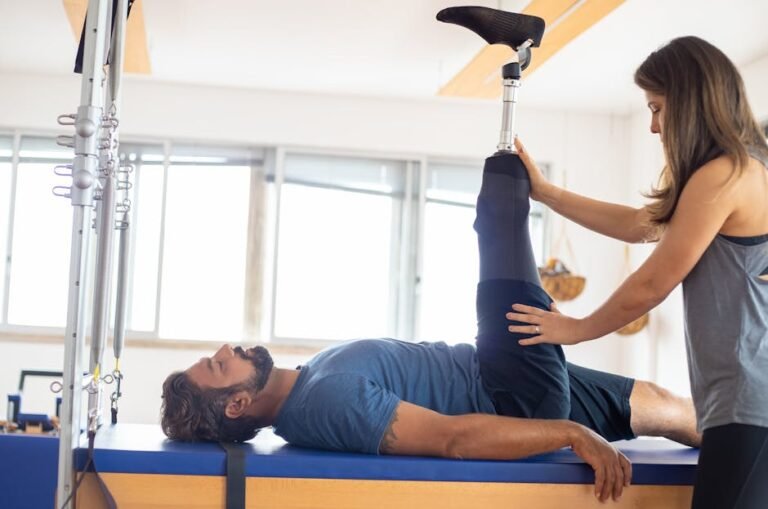
- Seek professional guidance when you need it: If you’re experiencing persistent pain, numbness, tingling, or significant movement restrictions, don’t just push through. A physiotherapist, osteopath, or other qualified healthcare provider can assess your specific situation and guide you through appropriate neurodynamic techniques and exercises tailored to your needs.
Small, consistent changes to how you move, sit, and care for your body can make a meaningful cumulative difference to your spinal health and nerve mobility over time. You don’t need to overhaul your entire lifestyle overnight — even one or two of these habits practised regularly can start to shift things in the right direction.
Why a Holistic View of Spine Health Changes Everything
One of the most exciting shifts happening in the world of spine health and therapeutic exercise right now is a move towards a more complete, whole-body perspective. Rather than treating the spine in isolation — or focusing only on muscles while ignoring everything else — the most effective approaches now recognise that the nervous system is an active, dynamic participant in every movement you make. Neurodynamic approaches sit at the heart of this more complete understanding.
When you start to appreciate that your nerves need mobility just as much as your muscles and joints do, your whole approach to movement and wellbeing begins to shift. You stop thinking of flexibility as purely about how far you can reach or how deep a stretch you can feel in a muscle belly. You start thinking about whether your entire body — tissues, joints, and nervous system together — is moving freely and communicating efficiently. That’s a genuinely empowering perspective, because it opens up new possibilities for addressing problems that may have previously felt stuck or mysterious.
The good news is that the nervous system is remarkably adaptable. With the right guidance, appropriate exercise, and consistent self-care habits, many people experience significant improvements in their symptoms, their range of motion, and their overall sense of physical ease. You don’t have to accept chronic stiffness, persistent nerve-like pain, or restricted movement as inevitable. There is almost always something that can be done — and understanding neurodynamic approaches is a great first step.
The Bottom Line: Neurodynamic approaches offer a powerful, often underappreciated route to better spine health and freedom of movement. By understanding that your nerves need to slide and glide freely — just as your muscles need to stretch and your joints need to move — you gain a more complete picture of what it takes to feel truly mobile, comfortable, and well in your body. Whether you’re dealing with back pain, nerve-like symptoms, or simply want to move better as you age, nurturing your nervous system’s mobility alongside your muscular and joint health is one of the smartest investments you can make in your long-term wellbeing. Talk to a qualified professional about whether neurodynamic techniques are right for you, and in the meantime, embrace the daily habits that keep your whole body moving freely.
This is not medical advice. Consult your healthcare provider before starting any new health routine or using any product mentioned here.