How to Build a Senior-Friendly Self-Care Space That Supports Safety, Comfort, and Independence
This post contains affiliate links. As an Amazon Associate, I earn from qualifying purchases at no extra cost to you.
Free resources — no credit card required for trial
🎧 Listen to health & wellness audiobooks free for 30 days
Start 30-Day Free Trial →
🛒 Recommended Products
As an Amazon Associate we earn from qualifying purchases at no extra cost to you.
EZ Off Jar Opener for Seniors — Under Cabinet Jar Opener for Weak Hands and Arthritis
$9.99
Otstar Jar Opener Bottle Opener Can Opener for Seniors with Arthritis and Low Strength
$11.99
HONEYBULL Walking Cane for Men and Women — Foldable Adjustable Heavy Duty Free-Standing Al
$34.99
Jar Opener Can Opener Bottle Opener for Seniors — Arthritis Hands Easy Grip Lid Remover
$10.99
BeneCane Walking Cane Adjustable with Offset Cushioned Handle — Lightweight Mobility Aid f
$29.99
📚 Read unlimited health books free for 30 days
Try Kindle Unlimited Free →
Imagine having one dedicated corner of your home — a calm, welcoming little sanctuary — where everything you need for your daily self-care routine is right at your fingertips, safely arranged, and designed just for you. That’s the heart of a senior-friendly self-care space, and the good news is that you don’t need a large room, a big budget, or any special skills to create one. Whether you’re an older adult who wants to feel more confident and independent in your daily routines, or a family member or caregiver looking to support a loved one, this guide walks you through everything you need to know. Building a senior-friendly self-care space is one of the most practical, loving things you can do — and it starts with just one small corner.
What Is a Senior-Friendly Self-Care Space and Why Does It Matter?
A self-care space isn’t just a pretty setup on a shelf. It’s a thoughtfully arranged area where daily routines — washing hands, brushing teeth, doing gentle stretches, taking a quiet moment to breathe — can happen safely, comfortably, and with as much independence as possible. For older adults, having a space like this can genuinely change day-to-day life for the better.
As we age, small challenges can start to accumulate. Reaching for things on high shelves, navigating cluttered surfaces, or trying to manage a dimly lit bathroom can add frustration and even fall risks to what should be simple daily activities. A senior-friendly self-care space removes those obstacles by putting safety and accessibility at the center of the design. The result? Less stress, more confidence, and a greater sense of control over your own routine.
The emotional benefits are just as important as the physical ones. A well-designed personal space that reflects your personality and preferences sends a quiet but powerful message: your comfort and dignity matter. That sense of respect and autonomy can boost mood, support mental well-being, and make self-care feel like something to look forward to rather than a chore to get through.
Setting Up Your Space: Safety, Seating, and Getting the Layout Right
The very first thing to think about when building a senior-friendly self-care space is where to put it. Choose a spot that’s easy to reach from the places you spend the most time — near the bedroom or living room tends to work best. You want this space to feel naturally accessible, not like a detour. Once you’ve identified your spot, it’s time to think about safety from the ground up.
Start by removing tripping hazards. Loose rugs, trailing cords, and cluttered pathways are among the most common causes of falls in the home. Secure any rugs with non-slip backing, tuck cords safely out of the walking path, and keep the floor around your self-care area clear and easy to navigate. If the space is near a sink or any area that could get wet, lay down a non-slip mat — this one simple addition can make a big difference.
Next, think about seating. A good chair is one of the most important investments you can make for a senior-friendly self-care space. Look for one with firm back support, sturdy arms you can push up from, and a seat height that allows your feet to rest flat on the floor — generally somewhere between 17 and 19 inches works well for most older adults. Avoid overly soft or low chairs that make standing up difficult. Pair your chair with a small stable table or surface positioned just slightly above elbow height when you’re seated, so you can reach your essentials without straining.
Lighting, Color, and the Power of a Calm Environment
Good lighting isn’t just a comfort issue — it’s a safety issue. Poor lighting makes it harder to see what you’re reaching for, read labels on medications, or notice hazards on the floor. For your self-care space, aim for a layered approach: bright, glare-free task lighting for activities like grooming, applying skincare, or reading, combined with softer ambient lighting for quieter, more relaxed moments. Natural light is wonderful when you have it, so position your space near a window if possible.
Make sure your light switches are easy to reach and simple to use. Large-button switches or dimmers are ideal, and they’re inexpensive upgrades that pay off every day. Avoid small toggles or switches placed in awkward spots that require stretching or fumbling in the dark.
Color and visual environment also play a surprisingly important role. Warm, soothing tones on walls and fabrics — soft blues, gentle greens, warm creams — create a calm atmosphere that supports relaxation and emotional well-being. Avoid overly busy patterns or high-contrast designs that can feel visually overwhelming, especially for anyone with changes in vision. The goal is a space that feels peaceful and welcoming the moment you walk in.
Organising Your Essentials: Everything Within Easy Reach
One of the biggest practical wins you can achieve in a senior-friendly self-care space is making sure that every item you use regularly is within easy arm’s reach — no stretching, no bending, no searching through drawers. Think about creating a small “care station”: a tray, basket, or caddy that holds your daily essentials in one place. This might include a washcloth, hand soap, a small mirror, tissues, a glass of water, any medication reminders, and a timer for breathing exercises or stretches.
Clear containers are your best friends here. When you can see what’s inside without having to open anything, you save time and reduce frustration. Label containers with large-print text or simple pictures if that’s helpful — there’s no reason to make your space harder to navigate than it needs to be. Open shelves are also great options because everything stays visible and accessible.
Don’t forget communication. Keep a phone or simple alert device within easy reach in your self-care area. Write important phone numbers in large print and keep them nearby. This small step ensures that if you ever need to reach someone quickly, you can do so without having to move to another room.
Finally, make decluttering part of your routine. A quick weekly reset — putting items back in their place, wiping down surfaces, and scanning for any new safety hazards — keeps the space feeling fresh, functional, and safe. A cluttered self-care space quickly becomes a stressful one, so less really is more here.
What You Can Do Right Now: Practical Tips for Building Your Senior-Friendly Self-Care Space
You don’t need to overhaul your entire home to create a meaningful senior-friendly self-care space. In fact, starting small is often the best approach. Here are some practical, actionable steps you can take today to get started:
- Start with one corner or small table. Don’t wait until you have everything perfect. Pick one accessible spot and begin there — you can always expand and refine over time.
- Involve the person who will use the space. Ask what colours feel calming, which items they want close by, and what would make the space feel truly theirs. Personal input makes all the difference.
- Add at least one assistive aid. A grab bar near the bed or tub, a shower chair or bath bench, or a non-slip mat are practical investments that significantly improve safety with minimal effort.
- Use open shelves and clear, labelled containers. Visibility and easy access reduce the chance of frustration and help maintain independence.
- Check and secure the floor. Remove loose rugs, tuck away cords, and make sure the path to your self-care area is completely clear of obstacles.
- Layer your lighting. Add a simple task lamp if overhead lighting isn’t bright enough for grooming or reading, and ensure light switches are easy to reach.
- Include comfort elements. A soft towel, a favourite blanket, a small plant, or a cherished photograph can transform a functional space into one that genuinely nourishes you emotionally.
- Consider a simple daily ritual. Even 5 to 10 minutes spent in your self-care space each day — whether for stretching, skincare, breathing exercises, or just sitting quietly — builds a comforting and grounding habit.
- Consult an occupational therapist if you’re unsure. If you’re considering more significant modifications or have specific safety concerns, a professional who specialises in aging in place can offer expert, personalised guidance.
- Schedule a monthly safety check. Test lighting, check for any loose furniture or new hazards, replace batteries in any alarms or devices, and refresh supplies as needed.
Adding Personal Touches That Support Emotional Well-Being and Independence
A truly senior-friendly self-care space does more than tick safety boxes — it supports the whole person, including their emotional life, sense of identity, and mental well-being. This is where the “self-care” part really comes alive. Think beyond the practical items and consider what makes the person feel like themselves, at ease, and valued.
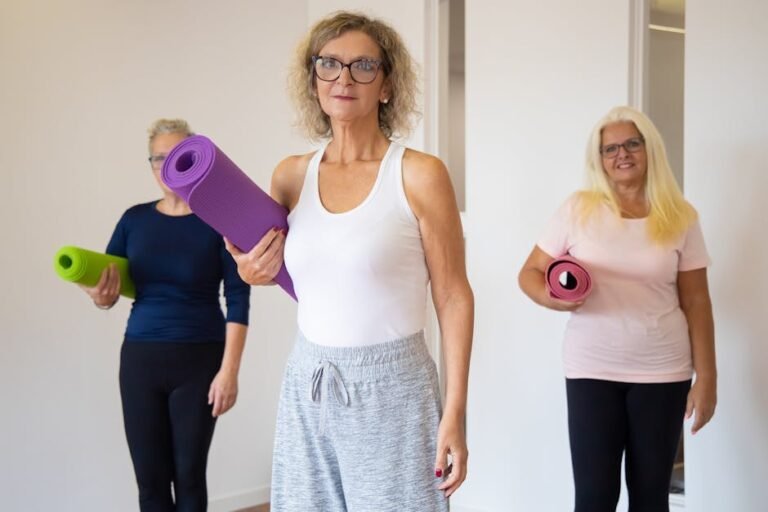
A small “mood corner” within the space can work beautifully for this purpose. A few family photos, a favourite book, a short journal for writing down thoughts or things you’re grateful for — these simple additions bring warmth and personal meaning to the space. If mindfulness or gentle movement is part of the routine, a small mat or cushion for slow breathing or light stretching can make those moments feel intentional and special.
Sensory comfort matters too. Plush, soft towels, a warm shawl draped over the chair, and breathable fabrics all add layers of physical comfort that make longer self-care sessions more enjoyable. A comfortable room temperature, a small plant for life and calm, or a favourite gentle scent — perhaps from a light natural air freshener or an essential oil diffuser used sparingly — can all contribute to a sensory environment that feels soothing rather than sterile. Just be mindful with scents, particularly if there are any respiratory sensitivities, and always check with a healthcare provider before introducing aromatherapy.
Equally important is letting the space evolve. As needs change over time — whether that means adjusting the height of a surface, adding a new assistive aid, or simply swapping out the decor — regularly reassessing the space ensures it continues to serve the person well. Self-care is a living, breathing practice, and the space that supports it should be just as flexible and responsive.
The Bottom Line: Building a senior-friendly self-care space doesn’t require a complete home renovation or a big investment. It requires thoughtfulness, a focus on safety and accessibility, and a genuine respect for the person who will use it. Start with one calm, accessible corner, remove the hazards, add the essentials within easy reach, layer the lighting, and include a few personal touches that bring comfort and joy. From there, a simple daily routine and a monthly safety check are all it takes to keep the space working beautifully. When safety, comfort, and personal meaning come together in one dedicated spot, self-care becomes easier, more consistent, and something to genuinely look forward to — supporting health, independence, and happiness for years to come.
This is not medical advice. Consult your healthcare provider before starting any new health routine or using any product mentioned here.