The Mouth-Heart Connection: How Oral Health and Heart Health Are More Linked Than You Think
This post contains affiliate links. As an Amazon Associate, I earn from qualifying purchases at no extra cost to you.
Free resources — no credit card required for trial
🎧 Listen to health & wellness audiobooks free for 30 days
Start 30-Day Free Trial →
🛒 Recommended Products
As an Amazon Associate we earn from qualifying purchases at no extra cost to you.
TheraBand First Step to Active Health Kit — Senior Exercise Program for Balance and Fall P
$19.99
EZ Off Jar Opener for Seniors — Under Cabinet Jar Opener for Weak Hands and Arthritis
$9.99
Omron 5 Series Upper Arm Blood Pressure Monitor — 2-User 100-Reading Memory Wide-Range Cuf
$44.99
OMRON 7 Series Wireless Wrist Blood Pressure Monitor — Clinically Validated with Connect A
$69.99
Vitality 4 Life Senior Resistance Band with Instruction Guide — Specifically for Elderly F
$16.99
📚 Read unlimited health books free for 30 days
Try Kindle Unlimited Free →
Here’s something that might surprise you: the health of your gums and teeth could have a real impact on your heart. That’s right — your mouth and your heart are more connected than most people realise. If you’ve ever wondered whether skipping that nightly floss really matters, or whether a little gum bleeding is worth worrying about, this post is for you. The connection between oral health and heart health is backed by science, and the good news is that the steps you take to care for one can genuinely support the other. Let’s explore what you need to know — and what you can do about it starting today.
Why Your Mouth Is the Gateway to Your Heart
Think of your mouth as the front door to your body. Everything that goes in — food, air, bacteria — passes through it first. When your gums are healthy and strong, your body is better equipped to fend off infection. But when your gums are struggling — think bleeding, swelling, or tenderness — your body’s defence system has to work overtime. And that extra effort doesn’t stay localised to your mouth. Over time, it can ripple outward and affect your heart.
Scientists explain the oral health and heart health connection through two key ideas: inflammation and bacteria. Inflammation is your body’s natural response to infection or injury — it’s actually a sign that your immune system is doing its job. The problem arises when that inflammation becomes chronic, meaning it’s always switched on at a low level. Gum disease, known medically as periodontitis, is a major cause of long-term inflammation in the body. And sustained inflammation can stress your blood vessels and heart over time.
Then there’s the bacteria factor. Your mouth is home to hundreds of types of bacteria — most are harmless, but some can cause trouble. When gum disease is present, harmful bacteria can enter the bloodstream through tiny tears in inflamed gum tissue. Once in the bloodstream, these bacteria can travel to the heart and blood vessels, where they can contribute to problems. This isn’t a reason to panic, but it is a compelling reason to take your oral hygiene seriously — especially as you get older.
Common Risk Factors That Affect Both Oral Health and Heart Health
One of the most striking things about the mouth-heart connection is how many risk factors the two share. If you’re managing one of these conditions, you may already be at higher risk for both gum problems and heart issues — which makes it even more important to stay on top of your dental care.
Smoking and tobacco use sit at the top of the list. Tobacco is one of the most damaging things you can do for your gums and for your heart. It restricts blood flow, weakens your immune response, and significantly raises the risk for both gum disease and cardiovascular disease. Quitting is hard — truly — but it’s one of the single most powerful steps you can take for your overall health.
Diabetes is another big one. When blood sugar isn’t well controlled, gums become more vulnerable to infection, and the risk of heart disease also climbs. The two conditions can create a challenging cycle, but strong daily oral care combined with good diabetes management can make a meaningful difference. Age is also a factor — as we get older, our gums can become a little more fragile, and conditions that affect the heart become more common. This doesn’t mean decline is inevitable; it just means that regular, consistent care matters more than ever in your senior years.
Other shared risk factors include high blood pressure, high cholesterol, a diet high in sugar and processed foods, dehydration, and dry mouth caused by certain medications. Saliva is actually your mouth’s natural defence system — it helps wash away bacteria and keep gums healthy. So if a medication you’re taking is causing dry mouth, it’s worth having a conversation with your doctor or dentist about it.
Warning Signs You Shouldn’t Ignore
One of the most empowering things you can do for your health is learn to recognise early warning signs — in your mouth and in your heart. When problems are caught early, they’re almost always easier and less costly to treat.
On the oral health side, watch out for gums that bleed when you brush or floss, gums that look red, swollen, or are pulling away from your teeth, persistent bad breath that doesn’t improve with brushing, loose or shifting teeth, pain when chewing, and mouth sores that don’t heal within a couple of weeks. These symptoms don’t necessarily mean something serious is happening, but they do mean it’s time to book a dental appointment rather than wait and see.
On the heart health side, there are symptoms that require urgent attention. If you experience chest pain or pressure — especially during activity — shortness of breath, dizziness, fainting, or pain that radiates to your jaw, neck, arm, or shoulder, please don’t wait. Call your local emergency number immediately. These can be signs of a cardiac event, and time matters enormously in those situations. Similarly, if you notice unusual fatigue or excessive sweating without a clear cause, don’t brush it off — contact your doctor promptly.
What You Can Do: Practical Tips for a Healthier Mouth and Heart
The really encouraging news is that protecting your oral health and your heart health doesn’t have to be complicated or expensive. Small, consistent habits build up to remarkable results over time. Here’s a practical guide to get you started:
Daily oral hygiene habits:
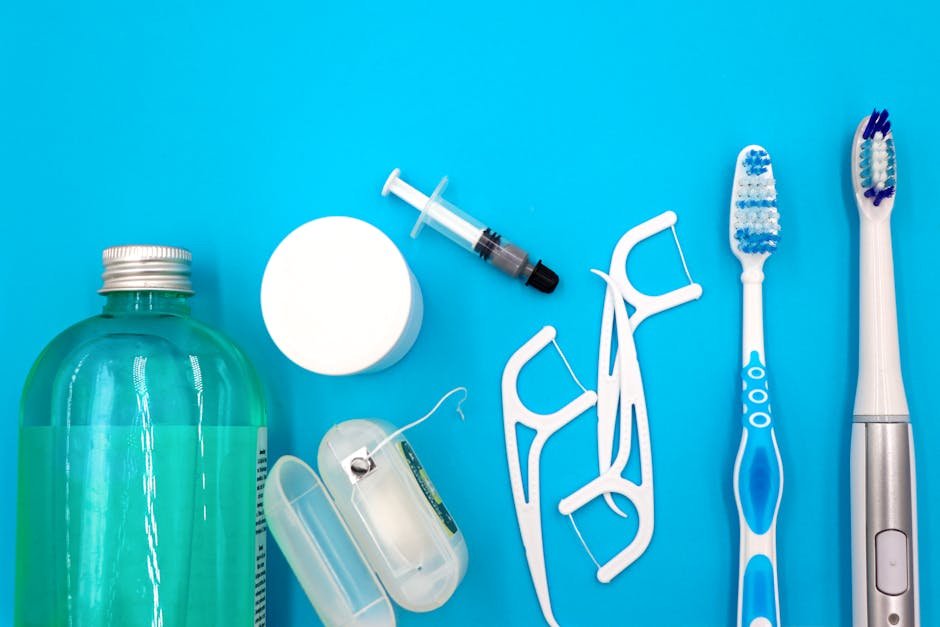
- Brush your teeth twice a day for about two minutes using a soft-bristled toothbrush and fluoride toothpaste. Use gentle, circular strokes rather than scrubbing back and forth.
- Replace your toothbrush every three months, or sooner if the bristles look frayed or worn.
- Floss once a day to remove plaque from between your teeth and along the gum line. If traditional floss is difficult, try floss picks or a water flosser — there are some excellent affordable options available online.
- Gently clean your tongue each day, or use a tongue scraper to reduce the bacteria that contribute to bad breath.
- Only use an antiseptic or fluoride mouthwash if your dentist recommends it — it’s a helpful addition but should never replace brushing and flossing.
Regular dental care:
- Schedule at least one dental checkup per year, and follow your dentist’s guidance if they suggest more frequent visits — especially if you have gum disease or wear dentures.
- Always tell your dentist about any changes in your health, new medications, or symptoms like bleeding gums or persistent mouth pain.
- If you wear dentures, clean them daily and ensure they fit well — ill-fitting dentures can irritate gum tissue over time.
Heart- and mouth-friendly lifestyle habits:
- Quit smoking or using tobacco. Talk to your doctor about medications, patches, or programmes that can make this easier — you don’t have to do it alone.
- Eat a heart-healthy diet rich in vegetables, fruits, whole grains, lean proteins, and healthy fats. Limit sugary snacks and drinks, which feed harmful mouth bacteria.
- Stay well hydrated. Drinking plenty of water throughout the day helps rinse away bacteria and reduces dry mouth.
- If a medication is causing dry mouth, ask your pharmacist, doctor, or dentist about alternatives or saliva substitutes that might help.
- Manage any chronic conditions — diabetes, high blood pressure, high cholesterol — with the support of your healthcare team. Taking prescribed medications as directed is a key part of protecting both your heart and your overall health.
Building a simple daily routine:
- A short, consistent morning and evening mouth care routine — even just five minutes — is far more effective than occasional long efforts.
- Keep a glass of water on your bedside table and nightstand as a gentle reminder to stay hydrated.
- If you have multiple risk factors, consider keeping a simple health journal noting your blood pressure readings, how your mouth feels, and what you’re eating. This can be incredibly useful to share with your healthcare team.
If You Have a High-Risk Profile: Extra Steps Worth Taking
If you already know you have risk factors — whether that’s diabetes, high blood pressure, a history of heart disease, or long-term smoking — it’s worth taking a slightly more proactive approach to the connection between your oral health and heart health.
One of the most helpful things you can do is encourage your dentist and primary care doctor to communicate. They don’t always do this automatically, but if you let both of them know about your full health picture, they can align their recommendations and watch for patterns that might otherwise go unnoticed. You might even bring a brief summary of your health conditions to each appointment so nothing falls through the cracks.
Being proactive about warning signs is also key. If you notice your gums starting to bleed more, or if you experience new or worsening chest discomfort, don’t adopt a “wait and see” approach. Early action almost always leads to better outcomes. And remember — you’re not being a nuisance by seeking help. Healthcare professionals would always rather hear from you sooner rather than later.
When to Seek Professional Help for Oral Health and Heart Health Concerns
Knowing when to pick up the phone and make an appointment — and when to call emergency services — is genuinely important knowledge to have. For oral health, make a dental appointment if you notice gum bleeding, redness, swelling, or pain that lasts more than a few days. Loose teeth, changes in your bite, or sores that don’t heal within two weeks also warrant prompt dental attention.
For heart-related concerns, the rule is simple: if it’s sudden, severe, or feels different from anything you’ve experienced before, treat it as a potential emergency. Chest discomfort, shortness of breath, sudden dizziness, or pain radiating to your jaw or arm all require an immediate call to emergency services. If you have a known heart condition and are noticing new symptoms or increased fatigue, contact your doctor — don’t wait for your next scheduled appointment.
For medication-related concerns — including dry mouth from multiple prescriptions — your pharmacist is an often-underused resource. They can review your medications, flag any interactions, and suggest practical strategies to manage side effects that might be affecting your oral hygiene.
The Bottom Line: The connection between oral health and heart health is real, meaningful, and genuinely within your power to influence. By brushing and flossing consistently, keeping up with dental checkups, staying hydrated, eating well, and managing any underlying health conditions, you are doing something wonderful — you’re caring for your smile and your heart at the same time. You don’t have to overhaul your entire life overnight. Start with one or two small changes today, build a gentle routine, and add more as you feel ready. You are absolutely worth this effort, and every small step you take is a step toward feeling better, for longer.
This is not medical advice. Consult your healthcare provider before starting any new health routine or using any product mentioned here.