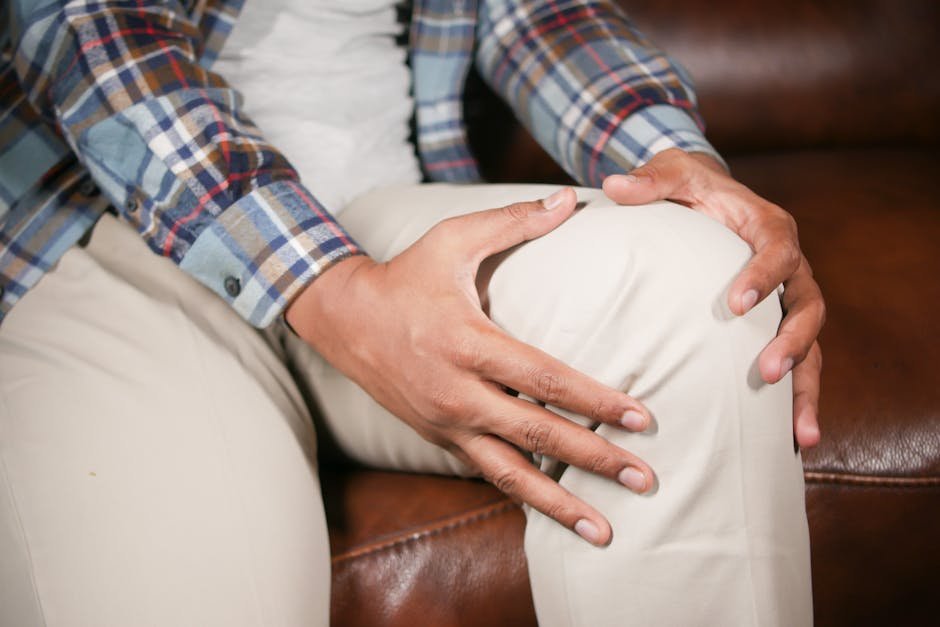
Exercises to Reduce Swelling in Joints and Legs: A Gentle Guide for Seniors
This post contains affiliate links. As an Amazon Associate, I earn from qualifying purchases at no extra cost to you.
Free resources — no credit card required for trial
🎧 Listen to health & wellness audiobooks free for 30 days
Start 30-Day Free Trial →
🛒 Recommended Products
As an Amazon Associate we earn from qualifying purchases at no extra cost to you.
TheraBand First Step to Active Health Kit — Senior Exercise Program for Balance and Fall P
$19.99
EZ Off Jar Opener for Seniors — Under Cabinet Jar Opener for Weak Hands and Arthritis
$9.99
Omron 5 Series Upper Arm Blood Pressure Monitor — 2-User 100-Reading Memory Wide-Range Cuf
$44.99
OMRON 7 Series Wireless Wrist Blood Pressure Monitor — Clinically Validated with Connect A
$69.99
Vitality 4 Life Senior Resistance Band with Instruction Guide — Specifically for Elderly F
$16.99
📚 Read unlimited health books free for 30 days
Try Kindle Unlimited Free →
If you’ve noticed that your ankles feel puffy by the end of the day, or that your knees seem stiff and swollen when you first get up in the morning, you’re definitely not alone. Swelling around the joints and legs is one of the most common complaints among older adults — and it can quietly chip away at your comfort and confidence. The encouraging news? Gentle, regular movement is one of the most effective tools you have to fight back. This guide walks you through safe, practical exercises to reduce swelling that you can do right at home, at your own pace, without any fancy equipment. Whether you’re just starting out or looking to build on what you already do, there’s something here for you.
Why Do Joints and Legs Swell as We Get Older?
Understanding what causes swelling can help you take action with more confidence. When fluid collects in or around a joint — or pools in the lower legs and feet — it creates that familiar sensation of tightness, puffiness, and discomfort. In older adults, this happens for a variety of reasons, and often more than one factor is at play at the same time.
Arthritis is one of the most common culprits. Both osteoarthritis and rheumatoid arthritis can inflame the joints, causing them to swell and feel stiff — especially in the morning or after periods of rest. Poor circulation and weak vein valves are another big contributor, making it hard for fluid to travel back up toward the heart efficiently. This is especially noticeable in the feet and ankles after a long day on your feet, or conversely, after sitting still for hours.
Other factors include recent injuries or surgery, certain medications, medical conditions affecting the kidneys or heart, hot weather, and even a high-salt diet. Inactivity — which is very easy to fall into when movement feels uncomfortable — can actually make swelling worse over time. This is why keeping gently active is so important, even when it’s tempting to rest up and wait for swelling to go down on its own.
How Movement Helps Reduce Swelling and Improve Mobility
Think of your muscles as a pumping system. Every time you move your legs, flex your ankles, or shift your body weight, you’re helping push pooled fluid out of swollen tissues and back toward your heart. That’s the simple, powerful reason why exercises to reduce swelling work so well — they harness the body’s own circulatory mechanics.
Regular, low-impact activity also keeps joints flexible, reduces stiffness, and strengthens the muscles that surround and support your knees, hips, and ankles. When those muscles are strong and active, your joints don’t have to work as hard during everyday tasks like walking to the letterbox, climbing a step, or getting out of a chair. The whole system works better together.
The key is finding the sweet spot between enough movement to make a difference and not so much that you overdo it. You don’t need to go to a gym, follow a complicated programme, or push through pain. What matters is consistency — a little bit of gentle movement, done regularly, adds up to real results over time. If you’re unsure where to start, your GP or a physiotherapist can give you personalised guidance based on your specific health situation.
Simple Exercises to Reduce Swelling You Can Do at Home
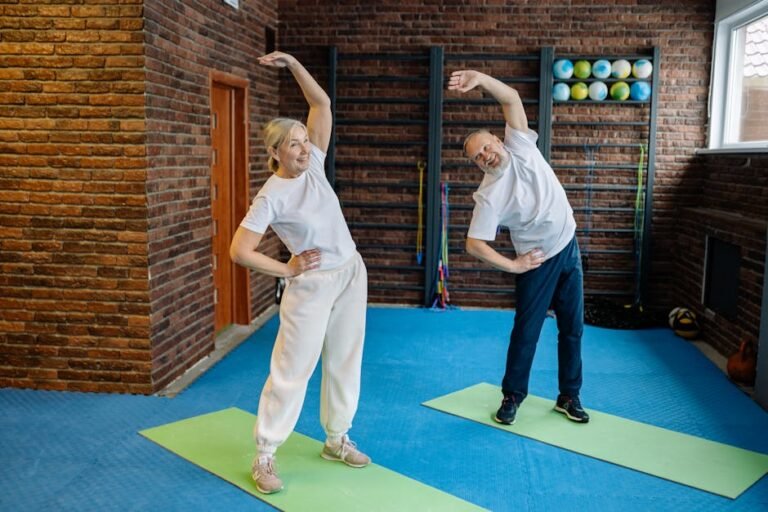
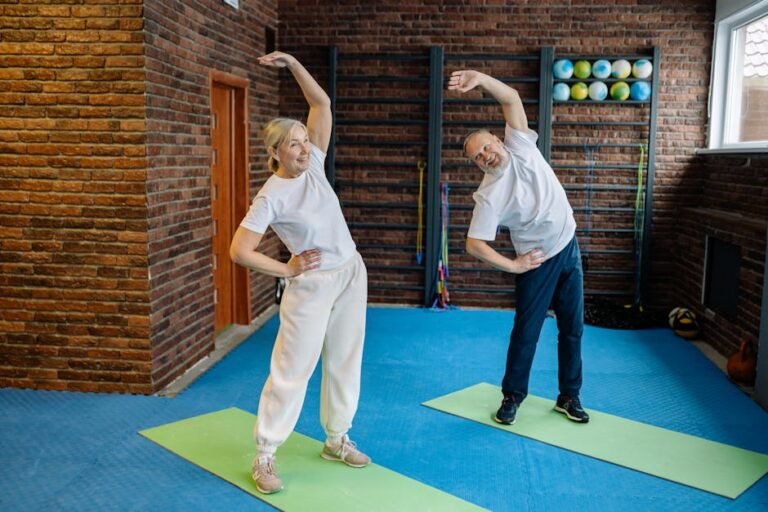
The following exercises are all low-impact, joint-friendly, and can be done seated, standing with support, or a combination of both. Start with a 10–15 minute session a couple of times a day, and gradually build from there as you feel comfortable. Always move slowly and steadily, breathe normally, and stop if you feel any sharp or unusual pain.
Seated ankle pumps are an excellent place to begin. Sit tall in a sturdy chair with your feet flat on the floor. Point your toes away from you, then flex them back toward you. Repeat this 10–15 times with each foot, doing 2–3 sets. This simple move improves circulation in the lower legs and helps move fluid away from the feet and ankles — it’s especially useful first thing in the morning or after a long sit.
Ankle circles build on this nicely. Sit or lie down comfortably, lift one foot slightly off the floor, and slowly trace circles with your toes — 10 circles in each direction, then swap feet. This encourages ankle mobility and blood flow without any strain. Seated leg extensions are another gentle winner: sit with your back supported, slowly straighten one leg until it’s level with your hip, hold for a couple of seconds, then lower it back down. Do 10–12 repetitions per leg for 2 sets. This keeps the knee joints moving without the fatigue of standing.
For a bit of inner thigh and knee support, try seated knee squeezes. Place a soft ball, small pillow, or rolled towel between your knees, and gently press your knees together for 3–5 seconds, then release. This strengthens the thigh muscles and helps promote better fluid flow around the knee joint. Seated marching rounds out the seated section beautifully — simply lift alternate knees toward your chest as if marching in place, for 30–60 seconds at a time, 2–3 rounds. It’s great for general circulation and keeps the hips and knees moving.
If you’re comfortable standing, standing wall push-ups are a gentle way to get the upper body involved without putting stress on your legs. Stand a few inches from a wall, place your hands at chest height, bend your elbows to bring your chest toward the wall, and push back. Aim for 8–12 repetitions. Standing side leg raises with a chair for support are brilliant for hip mobility and leg circulation — hold the back of a sturdy chair, slowly lift one leg out to the side, then lower it back down in a controlled way. Finally, partial chair squats — where you bend slightly at the knees and hips as if you’re about to sit, then rise back up — help build strength in the hips and knees to support movement and reduce swelling over time.
And don’t forget leg elevation. Simply lying on your back with your legs resting on two pillows — raised above heart level — for 10–15 minutes uses gravity to help drain fluid away from swollen legs. If lying flat is uncomfortable, a recliner or a footstool works just as well.
Practical Tips: Getting the Most Out of Your Swelling-Reduction Routine
- Aim for most days of the week. Consistency matters more than intensity. Even 10 minutes done regularly will deliver better results than one long session once a week.
- Start with ankle pumps and circles to warm up the feet and lower legs, then move into seated leg exercises, and finish with leg elevation if needed.
- Wear non-slip footwear and use a sturdy chair during all seated and standing exercises. Make sure your space is clear of loose rugs or furniture edges.
- Breathe normally throughout. Never hold your breath during any movement — exhale on the effort, inhale as you release.
- Stay hydrated. Drinking enough water throughout the day actually helps your body manage fluid balance more effectively.
- Consider compression stockings if your doctor has recommended them. Worn during the day and removed at night, they can work hand-in-hand with your exercise routine to manage swelling.
- Progress gradually. If you’re just starting out, stick to seated exercises (Level 1) for a week or two. When those feel comfortable, add standing exercises with chair support (Level 2), and over time work toward a more independent standing routine (Level 3).
- Stop if you feel sharp pain. A little muscle tiredness is normal; sharp, new pain is not. Rest and seek advice if discomfort persists.
- Track small wins. Notice if your ankles feel less puffy in the evenings, or if getting up from a chair feels a little easier. These small gains are worth celebrating.
When to Check with Your Doctor About Swelling
While gentle exercise is wonderfully helpful for the kind of everyday swelling many seniors experience, it’s important to know when swelling is a signal to get checked out rather than simply exercised away. Not all swelling is the same, and some types need prompt medical attention.
Contact your healthcare provider if you notice swelling that is new, sudden, or unexplained — especially if it’s accompanied by redness, warmth, or skin that looks shiny or feels tight. Swelling that is significantly worse on one side of the body compared to the other (for example, one leg swollen and the other normal) should always be assessed by a professional, as it can sometimes indicate a blood clot. Similarly, if you experience swelling alongside breathlessness, chest discomfort, or a fever, don’t wait — seek medical advice promptly.
If you have a history of heart, kidney, or liver conditions, diabetes, or blood clots, it’s especially important to get a thumbs-up from your doctor before starting any new exercise routine. A physiotherapist can be an incredible resource here — they can tailor a programme specifically to your health history and the joints that give you the most trouble, making your routine both safer and more effective.
Building a Routine That Works for Your Life
One of the most common obstacles to sticking with any exercise programme is making it feel like a chore rather than a gift to yourself. The good news is that the exercises in this guide are designed to fit into real life — not require it to stop. Ankle pumps can be done while watching the morning news. Seated marching works perfectly during a TV ad break. Leg elevation is practically an invitation to lie down and relax for a few minutes.
Think about what time of day you feel most comfortable moving. Many people find that mid-morning — after they’ve had breakfast and had a chance to warm up — is the sweet spot. Others prefer a gentle routine before bed to ease stiffness overnight. There’s no single right answer; the best routine is the one you’ll actually do.
If you live with a partner, friend, or family member, consider doing your exercises together. Having company makes movement more enjoyable, and a little gentle accountability goes a long way. You might also explore seated exercise classes designed for seniors at your local leisure centre or community hall, or look for online videos tailored to older adults — there’s a wealth of free, high-quality content available that can add variety to your home routine.
Above all, be patient and kind with yourself. Progress with swelling and mobility doesn’t always happen in a straight line. Some days will feel better than others, and that’s completely normal. What matters is that you keep showing up, keep moving gently, and keep trusting that those small, consistent efforts are making a real difference inside your body — even on days when it doesn’t feel obvious yet.
The Bottom Line: Swelling in the joints and legs is common as we age, but it doesn’t have to be something you simply put up with. Simple, low-impact exercises to reduce swelling — done regularly and safely at home — can genuinely transform how your joints feel and how freely you move. From seated ankle pumps and gentle leg raises to the restorative power of leg elevation, each small movement is an investment in your comfort, mobility, and independence. Start where you are, go at your own pace, and don’t hesitate to reach out to a healthcare professional or physiotherapist for personalised support. Your future self — moving more freely and feeling more confident — is absolutely worth it.
This is not medical advice. Consult your healthcare provider before starting any new health routine or using any product mentioned here.