How to Improve Gait and Stride: A Practical Guide for Seniors Who Want to Walk with Confidence
This post contains affiliate links. As an Amazon Associate, I earn from qualifying purchases at no extra cost to you.
Free resources — no credit card required for trial
🎧 Listen to health & wellness audiobooks free for 30 days
Start 30-Day Free Trial →
🛒 Recommended Products
As an Amazon Associate we earn from qualifying purchases at no extra cost to you.
TheraBand First Step to Active Health Kit — Senior Exercise Program for Balance and Fall P
$19.99
EZ Off Jar Opener for Seniors — Under Cabinet Jar Opener for Weak Hands and Arthritis
$9.99
Omron 5 Series Upper Arm Blood Pressure Monitor — 2-User 100-Reading Memory Wide-Range Cuf
$44.99
OMRON 7 Series Wireless Wrist Blood Pressure Monitor — Clinically Validated with Connect A
$69.99
Vitality 4 Life Senior Resistance Band with Instruction Guide — Specifically for Elderly F
$16.99
📚 Read unlimited health books free for 30 days
Try Kindle Unlimited Free →
Have you noticed that your walk feels a little different than it used to? Maybe your steps have gotten shorter, your pace a bit slower, or you feel less steady on uneven ground. If so, you’re far from alone — and here’s the encouraging news: with the right approach, you can genuinely improve your gait and stride at any age. Whether your goal is to feel more confident on a grocery run, climb stairs without worry, or simply enjoy a morning walk in the garden, small consistent efforts can lead to real, lasting changes. Let’s explore exactly how to make that happen.
Why Gait and Stride Matter More Than You Might Think
Gait — the way you walk — and stride — the length, rhythm, and pattern of your steps — are about so much more than getting from point A to point B. For older adults especially, the quality of your walk is deeply tied to your independence. It affects how easily you get in and out of a chair, navigate a flight of stairs, stroll through a farmers’ market, or visit friends without feeling anxious about your footing.
A strong, steady stride also plays a powerful role in fall prevention. Falls are one of the leading causes of injury among older adults, and many of them are connected to changes in how we walk. But beyond safety, there’s something deeply uplifting about moving through the world with confidence. When your walk feels steady and purposeful, it genuinely lifts your mood and your sense of control over your day.
The wonderful thing is that improvement doesn’t require dramatic changes. Small, steady progress adds up. The goal isn’t perfection — it’s safer, smoother walking achieved through gentle, consistent practice. That’s entirely within your reach.
Understanding What Changes in Your Walk as You Age
Before diving into solutions, it helps to understand why gait tends to change with age. This isn’t about decline being inevitable — it’s about knowing what you’re working with so you can approach improvement wisely and safely.
One of the biggest factors is natural muscle loss. As we age, we gradually lose some muscle mass and strength, which can make walking feel more tiring or less stable. At the same time, joint stiffness — particularly in the hips, knees, and ankles due to arthritis or general wear — can slow your stride and limit how freely your legs move. Balance and reflex changes also play a role; slower reactions often show up as shorter steps or a wider stance to compensate.
Other contributors include nerve and sensation changes (such as numbness or tingling in the feet from diabetes or neuropathy), pain in the lower limbs, vision changes, or even side effects from certain medications that cause dizziness or lightheadedness. Sometimes it’s simply deconditioning — a period of reduced activity that has quietly weakened the muscles and balance system. Recognising these factors isn’t discouraging; it’s empowering. When you understand what’s happening, you can take thoughtful steps to address it.
Building a Safe Foundation: Where to Start
Before you begin any exercise plan to improve your gait and stride, safety must come first. Start by taking a look at your walking environment. Clear your hallways and living areas of clutter, secure or remove loose rugs, ensure your lighting is bright and consistent, and make sure handrails are solid wherever stairs are involved. These simple adjustments reduce hazards before you’ve even taken a step.
Next, take a baseline assessment of your current walking ability. Stand near a sturdy chair or counter and walk at a comfortable pace for two to three minutes. Notice where you feel most stable and where uncertainty creeps in. This honest starting point helps you tailor your practice to your actual needs rather than what you think you “should” be able to do.
Footwear deserves special attention here. The right shoes make a meaningful difference to how confidently you walk. Look for closed-toe shoes with non-slip soles, a low heel, and a wide toe box that doesn’t squeeze your toes. Avoid slippers, flip-flops, or shoes with slick soles — they might feel comfortable around the house, but they significantly increase fall risk. If you use a mobility aid such as a cane or walker, ensure it is correctly fitted and that you’re using it consistently and with confidence.
Exercises to Strengthen, Stretch, and Improve Your Stride
Improving your gait and stride requires building two things in tandem: strength and flexibility. When your muscles are stronger and your joints move more freely, your walk naturally becomes steadier and more fluid. Aim to include these exercises two to four days per week, always moving slowly and with control. If anything causes pain, stop and consult your healthcare provider before continuing.
For strength, the chair stand (sit-to-stand) is one of the most effective exercises available — it targets the exact muscles you use every time you rise from a seat or climb stairs. Calf raises build ankle stability, which is critical for a confident stride. Hip abductions strengthen the muscles that keep you balanced on one leg with each step you take. Bridges work the glutes and hips, which are the powerhouse of walking. Quadriceps activations support your knees, and simple ankle pumps improve circulation and ankle control.
For flexibility, a gentle hamstring stretch, a calf stretch against a wall, and a hip flexor stretch held for 20 to 30 seconds each will help free up the range of motion your stride depends on. When your hips and ankles move more easily, your steps naturally become longer and more rhythmic. Pair these stretches with strength work and you have a well-rounded foundation for better walking.
On top of strength and flexibility, posture is your secret weapon. Walk with your head up, chin level, and eyes forward. Let your shoulders relax. Imagine a gentle upward pull from the crown of your head, and lightly engage your core to support your spine. Let your arms swing naturally with elbows slightly bent. These cues might sound small, but they have an outsized effect on how smooth and confident your gait feels.
Gait Drills That Retrain Your Nervous System
Beyond general strength and flexibility work, specific gait drills help train your nervous system to coordinate movement better. These are short, focused practices that target the precise mechanics of walking — and they’re surprisingly effective even in small doses.
Heel-to-toe walking involves placing your heel directly in front of the toe of the other foot and walking in a straight line for 10 to 20 steps. Use a wall or a strip of tape on the floor as a guide. This drill trains balance, coordination, and the foot placement that’s central to a steady stride. Marching in place near a sturdy surface builds hip flexor strength and step rhythm. Side steps — taking slow, deliberate steps to the side and bringing your feet together — improve lateral stability and are particularly helpful for navigating tight spaces. Low step-ups on a four to six inch platform build the leg strength and coordination needed for stairs and curbs.
Start your walking practice with just five to ten minutes on flat ground, three to four days a week, and add a few minutes every week or two as you feel more comfortable. If fatigue or discomfort sets in, take a break. Progress doesn’t have to be fast to be real — consistency is what counts.
Practical Tips for Improving Gait and Stride Every Day
Sometimes the most powerful changes come from small habits woven into your daily routine. Here are some practical, actionable ways to support better walking starting today:
- Set a weekly walking goal: Even three 10-minute sessions per week is a meaningful, achievable target. Write it down and treat it like an appointment with yourself.
- Track your progress: Keep a simple notebook or use a free app to log how you felt, how long you walked, and any moments of increased confidence or ease. Progress can be subtle — don’t miss it.
- Find a walking buddy: Social motivation is one of the most reliable tools for consistency. A friend, family member, or caregiver who walks with you makes the practice more enjoyable and keeps you accountable.
- Pay attention to transitions: Falls often happen during transitions — getting out of bed, rising from a chair, stepping off a curb. Move deliberately during these moments. Don’t rush.
- Stay well hydrated: Dehydration can cause dizziness and fatigue, both of which affect your walking stability. Keep a glass of water nearby and sip regularly throughout the day.
- Use handrails whenever they’re available: There’s no shame in using the support that’s there. Handrails on stairs and in bathrooms exist precisely for moments when you need a little extra confidence.
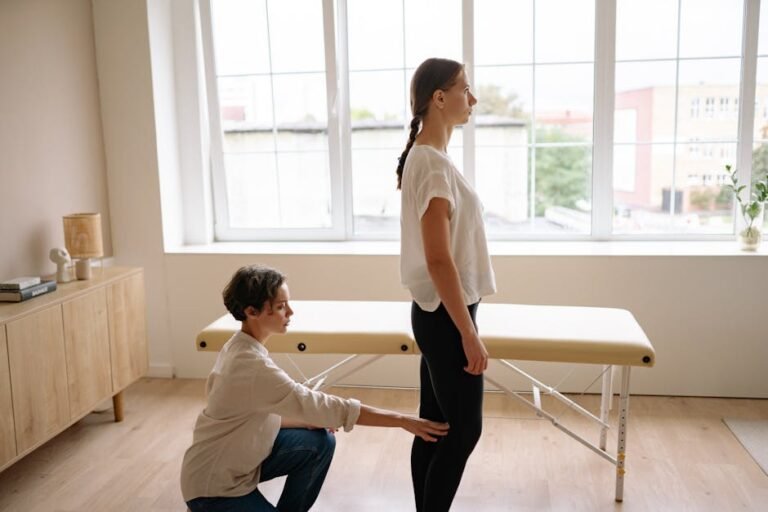
- Consider a professional gait assessment: A physiotherapist or occupational therapist can evaluate your specific walking pattern, identify imbalances, and create a personalised programme tailored to your needs — particularly valuable if you’ve had recent falls or significant balance concerns.
- Review your medications: If dizziness, lightheadedness, or fatigue is affecting your walking, talk to your doctor. Medication side effects are a common and often overlooked contributor to gait changes.
When to Seek Professional Help for Gait and Stride Issues
While many gait improvements can be made at home with consistent practice, there are times when professional guidance is not just helpful but essential. If you notice new or worsening weakness or numbness in your legs or feet, burning pain, unexplained swelling, or a significant sudden change in how you walk, it’s important to speak with your healthcare provider promptly. These symptoms can sometimes signal underlying conditions that need medical attention.
If you’ve experienced multiple falls, or if you find yourself frequently bumping into furniture or struggling to navigate your own home safely, a professional assessment is strongly recommended. A physiotherapist (PT) or occupational therapist (OT) can design a customised exercise programme, correct your form, and guide your progression safely. A podiatrist can address foot-specific issues — bunions, plantar fasciitis, or neuropathy — that may be quietly affecting how you step. And if dizziness is a recurring problem during walking, your GP can help identify whether medications, inner ear issues, or other factors are at play.
Seeking help isn’t a sign of weakness — it’s a sign of wisdom. Getting the right support early often means faster improvement and a much safer journey back to confident, comfortable walking.
The Bottom Line: Improving your gait and stride is one of the most empowering things you can do for your long-term independence and quality of life. By understanding what affects the way you walk, creating a safe environment, building strength and flexibility, practicing targeted drills, and making small daily habits that support better movement, you can walk with greater confidence, reduce your risk of falls, and feel more in control of your everyday life. Start small, be consistent, celebrate every improvement — and remember that your body has a remarkable capacity to adapt when given gentle, steady encouragement. One careful, confident step at a time, you’ve got this.
This is not medical advice. Consult your healthcare provider before starting any new health routine or using any product mentioned here.