Immune Recovery After Surgery: A Practical Guide for Older Adults
This post contains affiliate links. As an Amazon Associate, I earn from qualifying purchases at no extra cost to you.
Free resources — no credit card required for trial
🎧 Listen to health & wellness audiobooks free for 30 days
Start 30-Day Free Trial →
🛒 Recommended Products
As an Amazon Associate we earn from qualifying purchases at no extra cost to you.
TheraBand First Step to Active Health Kit — Senior Exercise Program for Balance and Fall P
$19.99
EZ Off Jar Opener for Seniors — Under Cabinet Jar Opener for Weak Hands and Arthritis
$9.99
Omron 5 Series Upper Arm Blood Pressure Monitor — 2-User 100-Reading Memory Wide-Range Cuf
$44.99
OMRON 7 Series Wireless Wrist Blood Pressure Monitor — Clinically Validated with Connect A
$69.99
Vitality 4 Life Senior Resistance Band with Instruction Guide — Specifically for Elderly F
$16.99
📚 Read unlimited health books free for 30 days
Try Kindle Unlimited Free →
If you or someone you love has recently had surgery, you already know that recovery is about so much more than just healing a wound. Your body is working overtime — repairing tissue, fighting off potential infections, managing stress, and trying to get back to its normal rhythm. For older adults especially, immune recovery after surgery can feel like a long, uncertain road. But here’s the encouraging truth: with some thoughtful daily habits and the right support, you can give your immune system exactly what it needs to bounce back stronger. This guide is written for you — practical, warm, and grounded in what actually helps.
Why Immune Recovery After Surgery Is Different for Older Adults
Surgery puts enormous demands on the body at any age, but as we get older, the immune system simply doesn’t snap back the way it used to. Healing takes longer, fatigue runs deeper, and the risk of complications — like infections or pneumonia — becomes more real. Understanding why this happens can help you feel less frustrated and more prepared.
Chronic conditions like diabetes, heart disease, lung problems, or kidney issues can all affect how well your body handles the stress of surgery. These conditions can interfere with blood flow, energy levels, and the immune response itself. That doesn’t mean a smooth recovery isn’t possible — it just means your recovery plan needs a little extra attention and care.
There are also practical hurdles that sneak up on people. If you’re less mobile after surgery, you may naturally drink less water — and even mild dehydration can dampen immune function. Pain medications and sleep aids, while necessary, can sometimes cause side effects like constipation, dizziness, or disrupted sleep, all of which affect how well your body heals. Being aware of these challenges is the first step to working around them.
Nourishing Your Body: Nutrition and Hydration for Healing
Think of food as medicine during your recovery. Surgery significantly increases your body’s demand for protein, vitamins, and minerals — the very building blocks your immune system needs to do its job. If you’re eating less than usual, or reaching for easy but nutrient-poor options, your immune recovery can stall without you even realising it.
Protein is the star nutrient after surgery. Try to include a protein source at every meal — eggs, dairy products, lean meats, fish, beans, or lentils are all excellent choices. Don’t worry if your appetite is small; even a modest amount of protein at breakfast, lunch, and dinner adds up. Alongside protein, aim to fill your plate with colourful fruits and vegetables, which are packed with the vitamins, minerals, and antioxidants that support healing. Whole grains like oats and brown rice, and healthy fats from olive oil, nuts, and seeds, round out a recovery-friendly diet beautifully.
Staying hydrated is equally important, and it’s easy to overlook. Sip water steadily throughout the day rather than waiting until you feel thirsty. If fluid restrictions apply to you due to heart or kidney conditions, follow your doctor’s specific guidance carefully. And if your appetite is really struggling, small, frequent meals are often easier to manage than three large ones. Ask your clinician or a registered dietitian about whether a short-term nutritional shake might help bridge the gap.
Gentle Movement, Rest, and Sleep: The Recovery Trio
Rest is not the same as staying completely still. While your body absolutely needs sleep and downtime to heal, gentle movement plays a surprisingly powerful role in immune recovery after surgery. Short, regular walks — even just a few minutes to start — help keep your circulation moving, reduce the risk of blood clots, and support lung health. Your surgeon or physical therapist will guide you on what’s safe and when to start, so always follow their advice first.
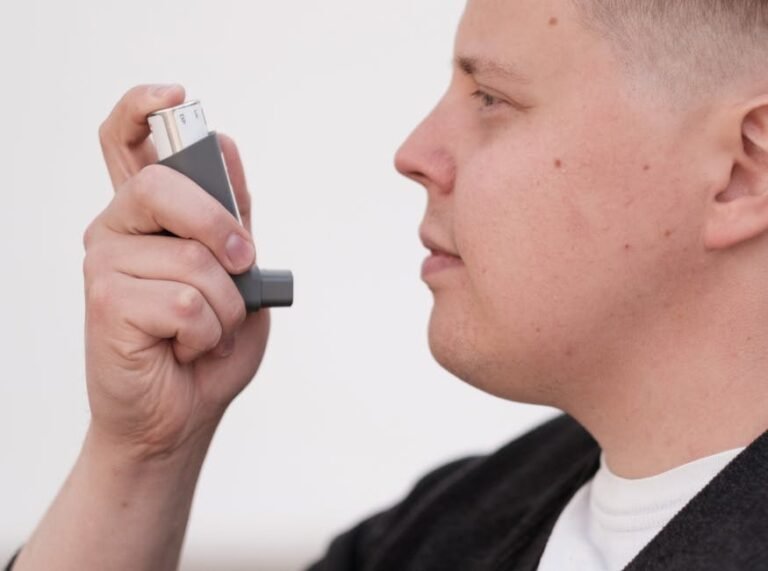
Breathing exercises are another underrated tool. If your care team prescribed an incentive spirometer (that little device you breathe into), use it as directed. Deep breathing helps keep your lungs clear and significantly reduces the risk of post-surgical pneumonia. Even without a device, taking a few slow, deep breaths several times a day can make a real difference.
Sleep is when your body does its most intensive repair work, so protecting it matters enormously. Create a restful environment — comfortable temperature, minimal noise, and a supportive pillow. If pain is disrupting your sleep, discuss better pain management with your doctor, because well-controlled pain actually helps you move and breathe more effectively during the day. Napping is perfectly fine during recovery, but try to keep daytime naps shorter to protect your overnight sleep. And don’t underestimate the power of simple stress-reduction: slow breathing, light stretching, or a reassuring conversation with someone you trust can genuinely calm the nervous system and free up energy for healing.
Wound Care and Infection Prevention During Immune Recovery
One of the most direct threats to immune recovery after surgery is wound infection. Fortunately, good wound care is something you have real control over, and it doesn’t have to be complicated. The golden rule is to follow your surgeon’s specific instructions to the letter — they know your procedure and your wound best.
Keep the surgical site clean and dry as directed, and resist any temptation to pick at scabs or interfere with stitches. Watch the area daily for warning signs: increasing redness, warmth, swelling, unusual pain, or any new discharge. These are your body’s way of waving a flag that something needs attention. If you notice any of these changes, contact your healthcare provider promptly — don’t wait to see if it gets better on its own.
Good hand hygiene is one of the simplest and most effective things you can do to protect yourself from infection. Wash your hands with soap and water regularly, especially after coughing, sneezing, or using the bathroom. If soap and water aren’t handy, use an alcohol-based hand sanitiser. If you need help managing wound care at home, don’t hesitate to ask a family member, caregiver, or home health nurse — this is exactly the kind of support that makes a meaningful difference.
What You Can Do: Practical Tips to Support Your Immune Recovery
Recovery can feel overwhelming when you look at the whole picture, but breaking it down into small, manageable actions makes everything more doable. Here are some of the most effective, practical steps you can take day by day:
- Prioritise protein at every meal — even a scrambled egg or a small portion of beans counts towards your healing.
- Sip water throughout the day — keep a glass or bottle nearby as a visual reminder, especially if you’re less mobile.
- Take one short walk each day as approved by your care team, even if it’s just to the next room and back at first.
- Do your breathing exercises — three to five minutes of slow, deep breaths several times a day can help protect your lungs.
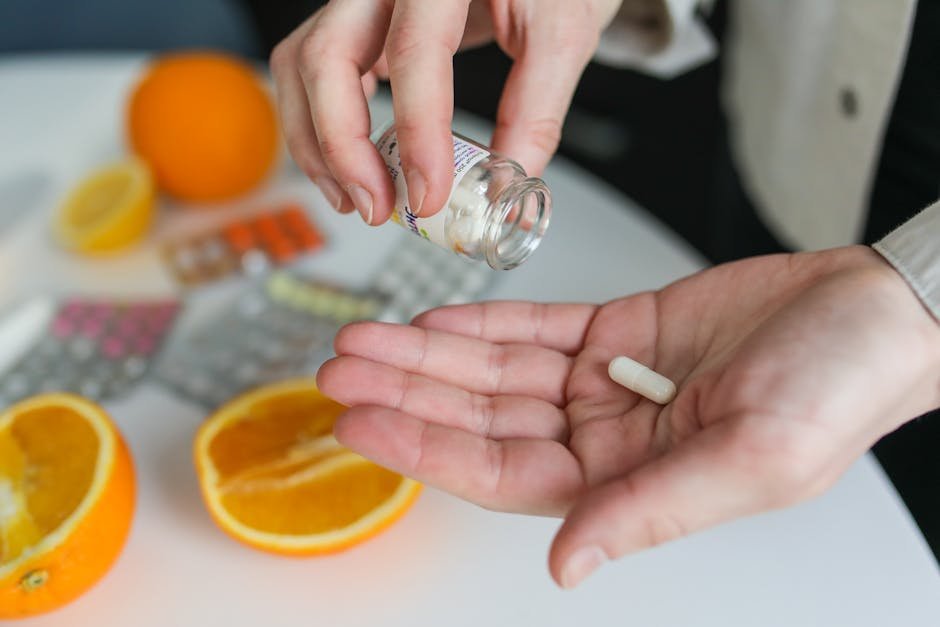
- Use a pill organiser to keep your medications on track, and never stop or start a supplement without checking with your doctor first.
- Keep a simple symptom log — jot down daily notes on pain level, wound appearance, temperature, and energy. This is incredibly helpful for your follow-up appointments.
- Ask for help — enlist a trusted family member or friend to help with meals, transport, medication reminders, and wound checks.
- Stay connected — social support isn’t just emotionally comforting; it helps you stay accountable to your recovery plan.
- Keep vaccines up to date — talk to your clinician about whether flu or pneumonia vaccines are appropriate during your recovery and when the right time to receive them would be.
- Limit alcohol and avoid smoking — both can impair immune function and interfere with medications and healing.
When to Seek Help: Recognising Warning Signs
One of the most empowering things you can do during immune recovery after surgery is know when something needs medical attention. Older adults are sometimes inclined to tough things out or worry about being a bother — but catching a problem early almost always leads to a better outcome. Trust your instincts, and when in doubt, make the call.
Watch for a temperature of 100.4°F (38°C) or higher, or a low-grade fever that persists beyond a couple of days — this can signal an infection. New or worsening shortness of breath, rapid breathing, chest pain, or a cough with coloured mucus needs urgent attention and should never be ignored. These can be signs of pneumonia or a blood clot, both of which are more common after surgery.
Signs of dehydration — dark urine, very dry mouth, dizziness when standing, or confusion — are also worth acting on quickly. And if you notice that you feel unusually sleepy, suddenly more forgetful, or confused in a way that doesn’t feel normal, contact your healthcare provider right away. These can sometimes indicate infection or other complications that are very treatable when caught early. Remember: calling your clinician or going to urgent care is never an overreaction. It’s always better to check early than to miss a warning sign.
The Bottom Line: Immune recovery after surgery is one of the most important — and sometimes most overlooked — parts of getting back to the life you love. For older adults, the road may be a little longer and require a little more care, but it is absolutely achievable. By focusing on nourishing food, steady hydration, gentle movement, good sleep, careful wound care, and medication safety, you are actively building the foundation your immune system needs to heal. You don’t have to do this alone — lean on your healthcare team, your loved ones, and your own knowledge of your body. Small steps taken consistently can lead to a genuinely strong, safe, and confident recovery. You’ve got this.
This is not medical advice. Consult your healthcare provider before starting any new health routine or using any product mentioned here.